
Drain Cleaning in Hamilton
Clogged or slow drain in Hamilton? Greg’s Plumbing provides professional drain cleaning for kitchen sinks, bathroom drains, tubs, showers, laundry drains, floor drains and main lines. We clear blockages with professional snaking or hydro-jetting when appropriate and use camera inspection when needed to confirm the cause. Same-day appointments are available when our schedule allows.
Serving Hamilton, Burlington, Ancaster, Dundas, Stoney Creek, Grimsby, Binbrook and Caledonia.

Clogged Drains We Clear in Hamilton
From slow kitchen sinks to recurring main-line clogs, we clear common drain problems across Hamilton and confirm the cause before recommending the right fix.
Kitchen Sink Drains
Grease, food residue and buildup can leave a kitchen sink draining slowly or completely blocked. We clear the line and check for recurring buildup.
Bathroom Sinks
Hair, soap and debris can collect in the trap and branch drain. We clear the restriction and confirm the sink is draining properly before we leave.
Shower & Tub Drains
Standing water and slow tubs or showers are commonly caused by hair and soap buildup deeper than the visible drain opening.
Laundry & Floor Drains
Gurgling or water rising at a laundry or basement floor drain can indicate a deeper restriction. If more than one fixture is affected, we also check for a main-line problem.
TOILET & FIXTURE CLOGS
Persistent toilet or branch-line clogs may require professional mechanical clearing, especially when plunging only provides temporary relief.
RECURRING & MAIN-LINE CLOGS
When clogs keep returning or several fixtures act up together, we can assess the main line and use camera inspection, snaking or hydro-jetting where appropriate.
Why Hamilton Homeowners Choose Greg’s
How We Clear Clogged Drains
We assess the line, clear clogs with snaking or hydro-jetting, and confirm with a camera when needed. If we find roots, bellies or damage, we outline spot repair or trenchless options. Written installed scope & range before any repair—no hourly surprises.
MAIN LINE VS. BRANCH LINE: WHAT’S CLOGGED IN YOUR HAMILTON HOME?
If one drain is slow, it’s usually a branch line. If multiple fixtures act up together, it’s often the main sewer line. Use the checks below to choose the right next step.
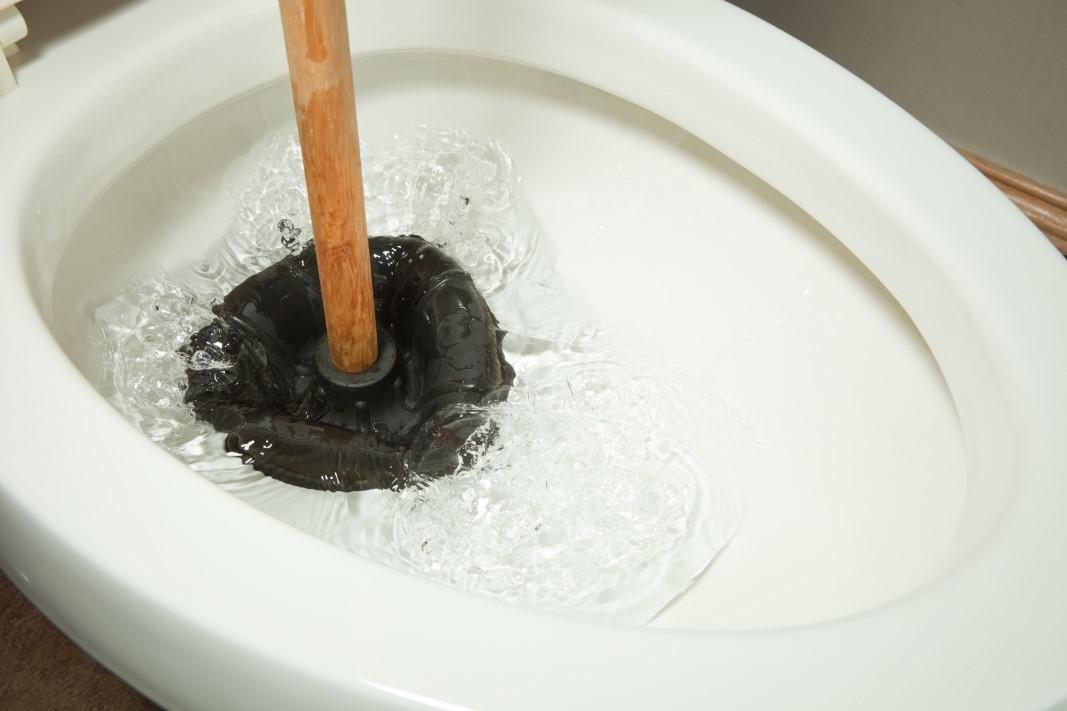
SIGNS IT’S A BRANCH LINE CLOG
Most single-fixture clogs can be cleared same day with the right mechanical drain cleaning and a quick check of the trap and local line.
Sewage actively backing up into the home? See Sewer Backup Repairs.
SIGNS IT’S A MAIN LINE SEWER CLOG
Main line issues affect more than one drain because everything connects into the same sewer line leaving your home.
Several fixtures affected but no sewage coming back up? See our Main Sewer Line Clog service.

Restore Flow—Fast
Same-day drain cleaning and clogged-drain service for sinks, tubs, showers, toilets and floor drains when availability allows.
We use snaking or hydro-jetting (set for your pipe type) and confirm the fix with a camera when needed. Serving Hamilton, Burlington, Ancaster, Dundas, Stoney Creek, Grimsby, Binbrook and Caledonia.

SAFE DRAIN CHECKS BEFORE YOU CALL
SAFE DRAIN CHECKS
5 Signs You Need Professional Drain Cleaning
Some clogs are easy to clear at the fixture. These signs can point to a deeper restriction that needs professional drain cleaning or a closer look at the main line.
A Drain Keeps Slowing Down
If clearing visible debris helps only temporarily, buildup may be deeper in the branch line.
The Same Clog Keeps Coming Back
Recurring clogs can mean grease, scale, roots or another restriction that wasn’t fully removed.
You Hear Gurgling
Gurgling from sinks, tubs or toilets can indicate restricted airflow or a blockage farther down the line.
More Than One Drain Is Slow
Multiple fixtures acting up together can point to a main drain or sewer-line restriction rather than one clogged fixture.
Water Backs Up Somewhere Else
Water appearing at a tub, shower or floor drain when another fixture runs is a strong sign the problem is farther downstream.
A Plunger or Hand Auger Isn’t Clearing It
If a basic clearing attempt does not restore proper flow, the blockage may be deeper in the line or require professional drain-snaking, hydro-jetting or camera inspection.
What to Expect From Our Drain Cleaning Service
Arrival window & text updates
We confirm a short arrival window and text when we are on the way. Same day visits are available across Hamilton and nearby towns.
Floor protection & safe set-up
Shoes covered, mats down, tidy work area. We protect cabinets and flooring, then locate shutoffs and cleanouts before we start.
DIAGNOSE THE REAL CAUSE
We confirm which fixtures are affected and what triggers the clog. Then we choose the safest method for your pipe type and the clog, and recommend a camera check if it keeps coming back.
Clear pricing before work
You get a written scope and price range up front. No hourly surprises, just straightforward options based on the drain and the likely cause.
SAME DAY CLEARING WITH THE RIGHT EQUIPMENT
We use professional drain machines and the right heads for hair, grease, sludge, or minor roots. If needed, we escalate to jetting or repairs based on what we find.
VERIFY FLOW AND CLEAN UP
We run water through the fixture and confirm the drain is moving properly. Then we wipe down the area, remove debris, and share simple prevention tips.
REPAIRS AND CODE COMPLIANCE
If we find a damaged line, missing cleanout, or other issues that need more than cleaning, we explain repair options and handle any code or permit requirements where needed.
FAQ — Drain Cleaning IN HAMILTON
Hamilton Homeowner Resources

Basement Floor Drain Backing Up
A basement floor drain backing up usually means water cannot flow out fast enough, often due to …
Drain Clog Severity & Fix Finder TOOL
Tell us what’s happening and we’ll estimate severity and the best fix. Drain service available.
Hydro-Jetting vs Snaking: What Clears Best?
If your sewer is backing up in a Hamilton bungalow or a century home…

Sewer Backup: First-Hour Checklist Tool
Answer a few quick questions. We’ll estimate risk, list first-hour safety steps, and flag backwater valve eligibility.


