
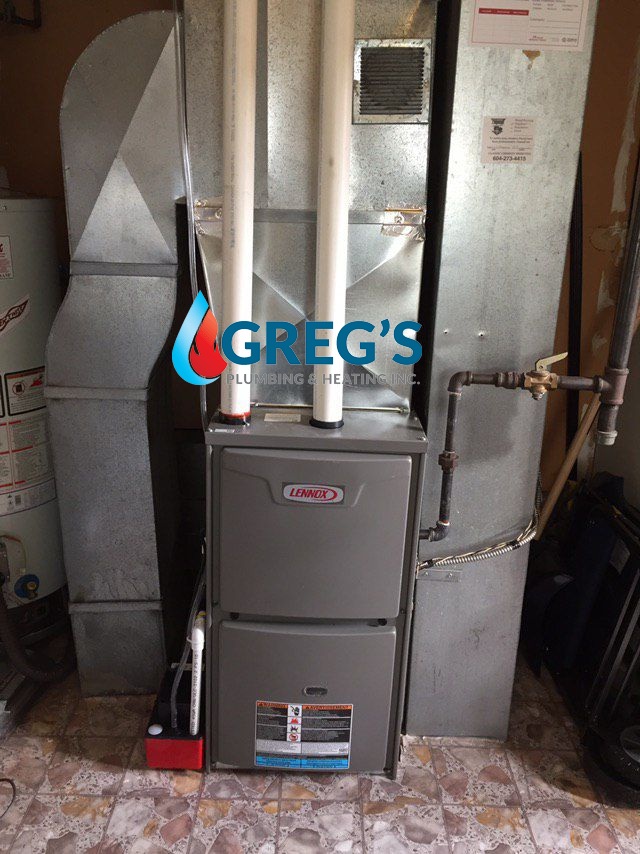
Thinking about a furnace installation in Hamilton? This guide explains the right size for your home, the total installed cost in Ontario, and when to book so you’re ready before the first cold snap. In other words, everything you need to make a confident, budget-smart decision—without guesswork.
A properly sized furnace runs longer on lower output, keeps rooms even, and trims gas use. Oversized units short-cycle and get noisy; undersized systems struggle on bitter nights. We’ll show you how sizing, duct health, and venting shape your quote and comfort.
You’ll also see what an installed price usually includes in Ontario—equipment, venting, gas/electrical, condensate, and commissioning—plus the extras that can affect totals (thermostat, chimney liner, minor duct tweaks).
If you’re comparing options or want a same-day assessment, see our furnace installation process or Hamilton HVAC services for what’s included end-to-end.
TL;DR
- Size is everything: The right-sized furnace runs quietly on low and keeps rooms even. Too big short-cycles; too small struggles on cold nights.
- Efficiency that pays here: Hamilton winters favour 95%+ high-efficiency. It’s usually quieter and trims gas use.
- What you actually pay for: Quotes should be installed totals (unit, venting, gas/electrical, condensate, commissioning)—not hourly.
- When to book: Aim for 1–2 weeks before daytime highs drop into single digits (°C) to avoid cold-snap backlogs.
- Install day: Most straight swaps finish same day; complex venting/duct tweaks can take 1–2 days.
- Next step: Get a simple, load-based quote with clear scope and dates: Book Online or see Hamilton HVAC Services.
1) Do You Actually Need a New Furnace?
Start with a quick Hamilton health check
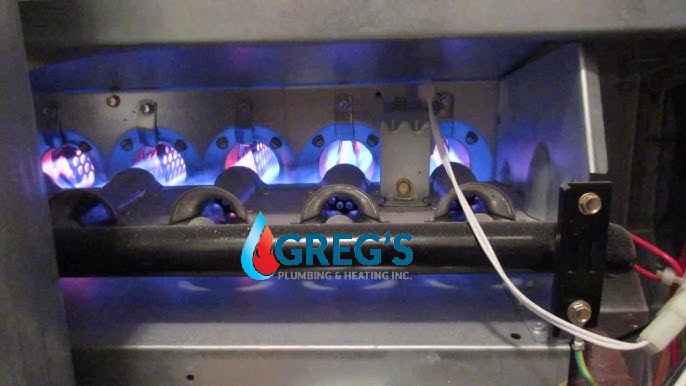
Stand by the unit while it runs. A steady blue flame, quiet, even airflow, and a clean filter are good signs. Yellow/orange flame, soot, water around high-efficiency units, or rapid on/off cycling mean it’s time to investigate.
When a repair is the right call
If the furnace is under ~10 years and needs a minor part (ignitor, flame sensor, pressure switch), a targeted repair is usually smarter than replacing. Keep notes on any error codes and when they occur; it speeds up diagnosis.
When replacement saves money and stress
Hamilton’s heating season is long. If your unit is 12–18 years old, had 2+ breakdowns last winter, or needs a major component (control board, inducer, blower, heat exchanger), you’re likely funding an inefficient system to limp along. As a rule of thumb, if a repair is ~30–40% of a full install and the furnace is 10+ years, replacement typically wins on warranty, reliability, and comfort.
Not sure if it’s repair or replace? Our heating & cooling repairs page outlines common fixes and what to expect during a service visit.
Local example: oversize + age in Stoney Creek
A 16-year-old 80% AFUE furnace (80k BTU) short-cycled in a 1,700 sq. ft. two-storey. Upstairs was cool, main floor hot, and winter bills climbed ~15%. Swapping to a properly sized 60k, two-stage 96% unit fixed cycling, quieted the system, and evened out bedrooms.
Comfort clues you can feel
If you set 21 °C and the house drifts below on cold nights, or recovery after a setback takes hours, sizing/airflow may be off. In two-storey homes from Ancaster Meadowlands to Binbrook, a variable-speed blower often smooths temperatures without major duct changes—once the furnace is sized correctly.
Safety first—don’t ignore warning signs
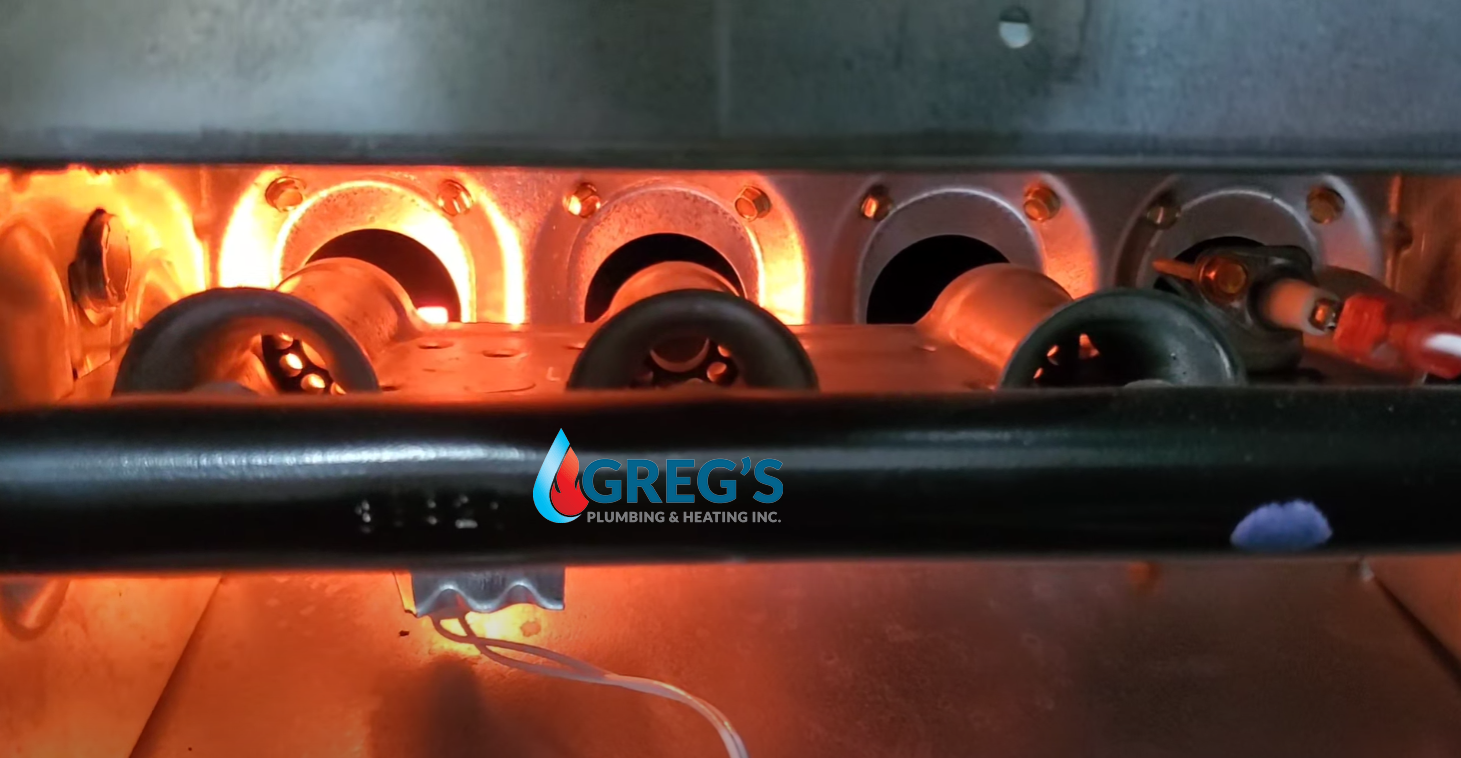
Yellow flame, soot, tripping high-limit switches, or any CO alarm are immediate reasons to call. Heat-exchanger cracks are not a “monitor it” item. We’ll verify combustion, venting, gas pressure, and CO at the registers so you have a clear go/no-go decision.
What we actually do on a visit
We measure the home, check window quality and insulation cues, assess airflow and duct capacity, verify venting paths/clearances, and confirm gas/electrical/condensate details. Then you get a clear repair-vs-replace comparison, equipment options sized for Hamilton’s winter conditions, and install timing.
Want a straight answer based on your home’s numbers?
Book Online • 905-928-6831 • See Hamilton HVAC Services
Summary (Hamilton quick view)
| Situation | What you’ll notice | Likely next step | Local tip |
|---|---|---|---|
| < 10 yrs, single minor fault | Runs fine otherwise; one error code | Repair and reset maintenance | Change filters every 2–3 months in winter; note error flashes |
| 12–18 yrs, 2+ winter breakdowns | Uneven rooms, rising bills (10–20%) | Plan replacement before first cold snap | Aim to book 1–2 weeks before daytime highs hit single digits °C |
| Short-cycling, noisy starts/stops | Heats fast, shuts off, repeats | Address sizing/airflow; often replace if older | Many older Hamilton installs are oversized—newer two-stage units fix this |
| Yellow flame, soot, CO alerts | Safety risk | Shut down and call for inspection | Older chimney setups (Durand/Kirkendall) may need liners/vent updates |
| Cool bedrooms, warm main floor | Comfort imbalance | Right-size + variable-speed blower | Common in two-storey homes across Binbrook & Meadowlands |
2) Right-Sizing 101
What a “load calculation” really is
A load calculation estimates how much heat your home needs on a typical cold Hamilton day. It considers square footage, insulation, window type and size, air leakage, sun exposure, and the local design temperature. The result guides the furnace size—not a guess, not a rule of thumb.
Why oversizing hurts
Bigger isn’t safer. An oversized furnace blasts heat, shuts off, then repeats. This short-cycling creates uneven rooms, extra noise, and unnecessary wear. You often pay more up front and still feel less comfortable.
Why undersizing hurts
Too small means long run times and the home drifting below setpoint during cold snaps. Nothing breaks, but recovery after setbacks is slow and you’ll feel chilled on the coldest nights.
A quick Hamilton example
An 1,800 sq. ft. two-storey with average insulation and decent windows often calculates around 42,000–48,000 BTU/h. Many older installs used 80,000 BTU “just to be safe.” Today, a 60,000 BTU two-stage (or variable-speed 50–60k) commonly delivers quieter, steadier heat with fewer cycles.
When bullets help (example inputs)
- Home size and layout
- Insulation levels and window performance
- Air leakage and exposure (wind/sun)
- Duct sizing and supply/return counts
Ducts and airflow matter too
Even the perfect furnace struggles if ducts are undersized or imbalanced. During estimates we check return capacity, supply placement, and static pressure so the selected equipment can actually deliver its rated comfort.
Comfort features—after size is right
Two-stage and variable-speed furnaces spend most of their time at lower output. That means smoother temperatures, less noise, and better comfort in multi-storey homes—often without major duct changes.
Planning upgrades? Tell us
New windows, extra insulation, or air-sealing reduce your heating load. We can size for the post-upgrade home so you don’t end up oversized later.
For homeowners considering a switch or adding hydronic heat, see our boiler installation guide for when a boiler makes more sense than a forced-air furnace.
3) Efficiency & AFUE—What’s Worth It in Hamilton
AFUE in plain language

AFUE is the percent of gas that becomes usable heat. An 80% furnace vents more heat outdoors. A 95%+ condensing furnace squeezes more heat from the flue and sends cooler exhaust outside.
What makes sense locally
Hamilton winters are long enough that high-efficiency (95–97%) usually pays back. You’ll also get quieter, longer run times at low fire when paired with two-stage or variable-speed.
Venting and condensate basics
- 80% units often reuse metal chimneys if code allows.
- 95%+ units need PVC intake/exhaust through a wall or roof and a condensate drain with proper slope and neutralization where required.
- If your water heater stays on the chimney, a liner may be needed for safe draft.
Two-stage and variable-speed comfort
These furnaces spend most hours on low stage, smoothing temperatures and cutting noise. In two-storey Hamilton homes, that steadier airflow often evens out upstairs/downstairs without major ductwork.
Smart controls that actually help
A right-sized furnace pairs well with a smart thermostat that supports staging and fan profiles. The win is comfort and gentler cycling—especially on shoulder-season days.
4) Total Installed Cost in Ontario
What our written quotes include
A clear scope helps you compare apples to apples. Your quote outlines the furnace, venting/intake, gas connection, electrical, condensate handling, and full commissioning. We specify model numbers, capacities, and any comfort features.
Typical line items (installed)
- Equipment: furnace, compatible filter rack, and cabinet transitions as needed.
- Venting: intake/exhaust runs, supports, terminations, and clearances to code.
- Gas & electrical: shut-off, flex, bonding, and control wiring.
- Condensate (95%+): trap, tubing, pump if required, and secure drain route.
- Startup & commissioning: gas pressure set, temperature rise, flame signal, safeties, CO check, and homeowner walkthrough.
Common extras (only if needed)
A chimney liner for remaining appliances, smart thermostat upgrades, minor duct adjustments, humidifier or air cleaner add-ons, and zoning when appropriate. We’ll flag these during the estimate so there are no surprises.
Permits and inspections in Hamilton
We handle the TSSA-related compliance, municipal permit where applicable, and arrange any required inspections. You’ll receive documentation and equipment registration details for warranty.
No hourly rates—just scope and totals
For homeowners, hourly numbers don’t predict outcomes. We provide fixed installed pricing by scope, so you know exactly what’s included before work begins.
Next step: get your written, load-based quote with a clear scope and earliest install dates.
Book Online • 905-928-6831 • Explore Hamilton HVAC Services
5) Warranties, Brands & What Actually Matters
The warranties that protect you
Most furnaces include separate warranties for parts and the heat exchanger. Labour coverage depends on the installer or an optional plan. Registration usually extends coverage—don’t skip it.
| Warranty piece | Typical coverage | Notes that matter in Hamilton homes |
|---|---|---|
| Parts | 5–10 years | Registration can extend to 10; keep the serial number and install docs. |
| Heat exchanger | 10 years to lifetime | Read the fine print—some are pro-rated after year 10. |
| Labour | 1–3 years (installer) | Can be extended via maintenance plans; confirms who pays if a board fails in year 2. |
Brand vs. quality of install
Logos don’t set gas pressure or slope a condensate line—people do. A careful installation with proper commissioning beats a premium badge installed poorly. Ask about the startup checklist, pressure readings, and CO test results you’ll receive.
What’s on our commissioning checklist
We set manifold gas pressure, verify temperature rise, confirm flame signal, check static pressure and airflow, test for CO, confirm condensate slope/pump operation, and document vent clearances. You get a copy so future service is faster and warranty claims are straightforward.
Keep the paperwork
File the invoice, model/serials, permit/inspection receipt, and registration confirmation. If you sell your Hamilton home, this package improves buyer confidence and speeds up their home inspection.
Ready for a load-based quote with clear warranty terms?
Book Online • 905-928-6831 • See Hamilton HVAC Services
6) When to Book in Hamilton (Seasonality & Lead Times)
How the calendar really affects installs
Hamilton’s first cold snap triggers a wave of no-heat calls. Crews shift into emergency mode and elective installs wait their turn. In early fall, scheduling is smoother and equipment choice is wider.
Best timing for most homeowners
Aim to book 1–2 weeks before daytime highs settle in the single digits (°C). That window avoids backlogs and gives time for any venting or liner work. If you’re replacing an aging 80% unit, early fall also simplifies chimney decisions and thermostat upgrades.
What if the furnace dies in winter?
We prioritise no-heat emergencies. Temporary heat options are available, and most straightforward swaps still finish same day. Complex jobs—tight vent paths, major duct fixes—may need 1–2 days, but we stabilise heat the first day whenever possible.
Hamilton-specific considerations
Older neighbourhoods (Crown Point, Kirkendall, Durand, St. Clair) often have mixed venting and chimney setups; planning ahead avoids delays. Newer builds in Binbrook, Stoney Creek Mountain, and Ancaster Meadowlands usually have clear PVC vent routes—fast turnaround once scheduled.
7) Rebates & Energy Savings (Ontario Snapshot)
What’s new in 2025 Ontario-wide
Ontario launched the Home Renovation Savings (HRS) program in January 2025—a joint initiative supported by Save on Energy and Enbridge Gas—to fund home efficiency upgrades. It offers single-upgrade rebates (no audit needed) and bundled paths with an energy assessment for higher totals. Eligible measures include cold-climate heat pumps, insulation, windows/doors, smart thermostats, and solar/battery—program details and levels are set provincially and can change.
What Hamilton homeowners typically use
If you’re replacing a furnace, pair it with smart controls and envelope upgrades to cut gas use and improve comfort. Current program pages list:
- Smart thermostat: advertised at $100 (limited-time) under the HRS “without assessment” stream. Always confirm current models and availability.
- Heat pumps: incentives for cold-climate air-source and ground-source systems (size-dependent); can be used as primary heat or hybrid with a gas furnace according to Save on Energy
- Peak Perks (summer demand response): enroll an eligible thermostat and earn $75 (enrolment) plus ongoing annual rewards while you stay in the program; amounts and terms can vary by year according to IESO
How we handle rebates for you
During your estimate we:
- Flag which measures on your project are rebate-eligible right now.
- Confirm paperwork, serials, and deadlines so you don’t miss out.
- Suggest cost-effective pairings (e.g., smart thermostat + modest air-sealing) that improve comfort in Hamilton’s two-storey homes.
Important: Rebates are subject to change (funding windows, amounts, and eligibility). Final approval is made by the programme administrator, not the contractor. Always verify the current HRS and Save on Energy pages at the time of quoting.
Ask what’s active before you book: Book Online • 905-928-6831 • See Hamilton HVAC Services
8) What to Expect on Install Day
Arrival, protection, and pace
You’ll get an arrival window and a call/text on the way. We protect floors, isolate the work area, and review the scope before tools come out. Most straight swaps finish the same day; complex venting/duct changes may extend to 1–2 days.
The work you’ll see
Old equipment is safely removed. New furnace, venting, gas, electrical, and condensate are installed to code with proper supports and clearances. If a chimney liner or thermostat upgrade is in the plan, it’s completed and tested.
Commissioning checklist (the quiet, important part)
- Set gas pressure and verify temperature rise
- Confirm flame signal and safety limits
- Measure static pressure/airflow for duct health
- Perform CO checks at the furnace and registers
- Verify condensate routing/pump operation (95%+)
Handover & aftercare
We walk you through the thermostat, filter changes, and what “normal” sounds like. You’ll receive model/serials, any permit/inspection details, and registration steps for warranty. We can email a user guide PDF and photo record of the install for your files.
Pro tip (Hamilton homes): Mark your filter change schedule for every 2–3 months in heating season. It’s the easiest way to protect efficiency and warranty.
Get a Load-Based Quote Today
If your furnace is aging, short-cycling, or just can’t keep up on Hamilton’s cold nights, now is the time to plan the swap—before the first cold snap crowds schedules. We’ll measure your home, check duct capacity, confirm venting, and give you a clear repair-vs-replace comparison with installed pricing, warranty terms, and the earliest install dates. No guesswork—just a warm, efficient home and a smooth install.
Prefer to talk it through? Call us. Ready to move? Book online in under two minutes.
Book Online • 905-928-6831 • Visit Hamilton HVAC Services
Service areas: Hamilton, Burlington, Ancaster, Dundas, Stoney Creek, Grimsby, Niagara Falls, Binbrook, Caledonia.
FAQ: Furnace Installation in Hamilton
How much does a new furnace cost in Ontario?
Installed pricing varies by home size, efficiency (80% vs 95%+), venting path, and extras like thermostat, liner, or minor duct changes. We quote fixed installed totals (no hourly) after assessing your home. Get a tailored range via a free in-home estimate: Hamilton HVAC Services or Book Online.
How long does furnace installation take?
Most straight replacements finish same day. If venting is complex or ductwork needs adjustment, plan for 1–2 days. We’ll stabilise heat on day one if a job extends.
Do I need new ductwork for a high-efficiency furnace?
Usually no. We check static pressure, return capacity, and supply counts. Minor adjustments (transitions, filter rack, balancing) are common; full duct replacements are rare in Hamilton homes.
What size furnace do I need?
Size depends on your home’s heat loss (insulation, windows, leakage, layout). We measure and select equipment that can hold setpoint on Hamilton’s cold days without short-cycling. No rule-of-thumb quotes.
Is 80% AFUE still allowed—and is it worth it?
80% units may be permitted depending on venting and code, but many Hamilton homes benefit from 95%+ condensing units for comfort and gas savings. We’ll confirm feasibility (chimney vs PVC, liner needs) during your estimate.
When should I book to avoid delays in Hamilton?
Aim to book 1–2 weeks before daytime highs reach single digits (°C). The first cold snap creates backlogs as no-heat calls surge. Check earliest dates here: Book Online.
What’s included in a proper furnace quote?
Model and capacity, venting/intake, gas and electrical, condensate (for 95%+), start-up/commissioning, and a walkthrough. We also note any extras (liner, thermostat, humidifier, air cleaner) so there are no surprises.
Can you replace my furnace in winter if it dies?
Yes. We prioritise no-heat emergencies, provide temporary heat if required, and complete most swaps same day.
Are rebates available in Ontario?
Rebates change. We confirm current Save on Energy / provincial options at quote time and help with paperwork after install. Ask what’s active when you book.
How long should a furnace last in Hamilton?
With annual maintenance and regular filter changes, many furnaces last 12–18 years. Factors like sizing, duct health, and installation quality influence lifespan.


