
Quick answer
If your sewer line has one isolated problem, a targeted repair is often enough. If the line has repeated blockages, multiple damaged sections, or widespread deterioration, replacement may be the smarter long-term choice. The best way to know is with a proper camera inspection that shows exactly where the damage is and how much of the line is affected.
Intro
Finding out there is a sewer line problem is stressful enough. The next question is usually the hard one: can this be repaired, or does the whole line need to be replaced?
The answer depends on what is actually happening underground. A single bad section is very different from a line with repeated root intrusion, multiple offsets, or widespread pipe wear. That is why the right decision starts with diagnosis, not guesswork.
For Hamilton homeowners, this usually comes up after repeat backups, slow drains that keep returning, or a camera inspection that found something more serious than a simple clog. In some cases, hydro jetting or clearing the line may buy time. In others, the problem is structural and the conversation shifts to repair versus replacement.
This guide breaks down when sewer line repair is usually enough, when replacement makes more sense, and what a camera inspection can reveal before you commit to the next step.
When sewer line repair is enough
A sewer problem does not always mean the whole line has to go.
In many Hamilton homes, a targeted sewer line repair is enough when the damage is limited to one area and the rest of the pipe is still in decent shape. That usually means the issue has been confirmed with a camera inspection, the bad section is clearly identified, and the surrounding line is still structurally sound.
One isolated crack or break
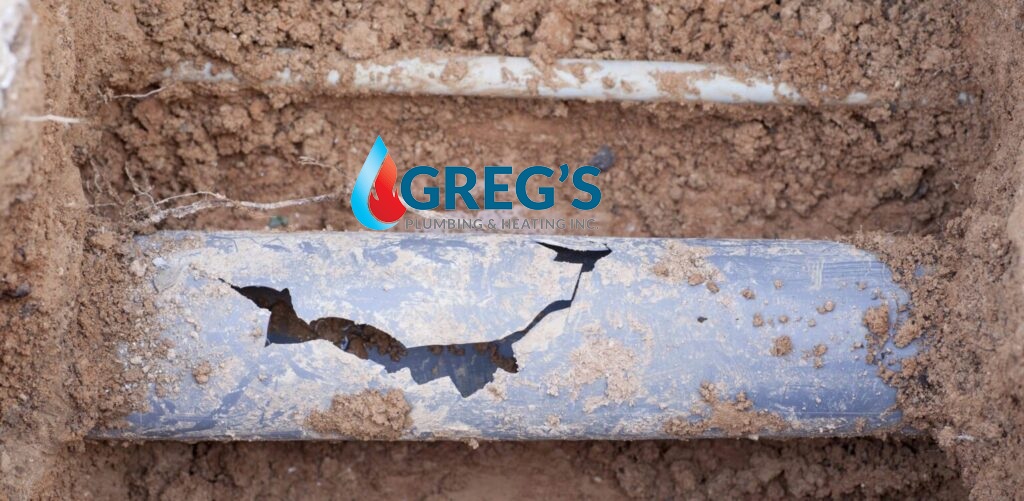
If the camera finds one cracked section, one separated joint, or one trouble spot that is causing repeat issues, a spot repair often makes the most sense.
This is especially true when:
- the blockage keeps happening in the same place
- the rest of the line is draining properly
- there is no widespread deterioration through the pipe
A good example is a home where one section near the front yard has root intrusion, but the rest of the sewer lateral is in good shape. In that case, repairing that section is often smarter and more cost-effective than replacing the full line.
One repeat blockage point
Sometimes the line itself is mostly okay, but one section keeps catching waste or roots. That can happen at:
- one offset joint
- one root entry point
- one sagging area that is still limited in size
If the problem is isolated, the fix is often isolated too.
This is where a proper camera inspection matters. It shows whether you have one repairable section or a bigger line condition hiding behind repeat clogs.
The rest of the line still looks sound
This is the biggest factor.
If most of the sewer line is still round, aligned, and structurally intact, repair is often the better path. That is why the first decision is not repair versus replacement. The first decision is getting the right diagnosis.
If you are still in the “what exactly is clogged?” stage, this page helps connect the symptom side first: Main Sewer Line Clog in Hamilton.
When sewer line replacement makes more sense
There is a point where repairing one section stops being the smart move.
If the line has damage in multiple places, keeps failing, or shows heavy deterioration, full or near-full replacement often makes more sense than fixing one spot at a time. This is not about doing more work than necessary. It is about avoiding repeated disruptions, repeat service calls, and putting money into a pipe that is already at the end of its useful life.
Multiple damaged sections
If the camera shows more than one crack, more than one root entry point, or several problem areas, replacement usually deserves serious consideration.
A few examples:
- roots entering in two or three places
- repeated offsets at multiple joints
- more than one belly or low spot
- cracking in more than one section of pipe
At that point, repairing only the “worst” spot may not solve the bigger problem for long.
Repeated failures over time
If you have already had the line cleared, snaked, or repaired before and the same symptoms keep coming back, that is a strong sign the issue is not just one blockage.
This is especially common when homeowners have a history like:
- drains backing up every year or two
- repeated root clearing
- recurring slow drains after previous service
- backups that return after heavy rain or high household usage
A sewer line that keeps failing usually costs more in the long run if you keep patching it.
Heavy deterioration or aging pipe
Older pipe materials can reach a stage where they are simply too far gone to keep repairing confidently. If the pipe walls are deteriorated, joints are unstable, or the line is distorted in multiple places, replacement often becomes the more reliable option.
That is where a proper sewer line repair in Hamilton assessment matters. The goal is not to push replacement. The goal is to be honest about whether repair will actually last.
What a camera inspection can reveal
A sewer camera does more than confirm that “something is wrong.” It shows what is wrong, where it is, and whether you are looking at a repair job or a replacement decision.
Without that, you are guessing.
Roots
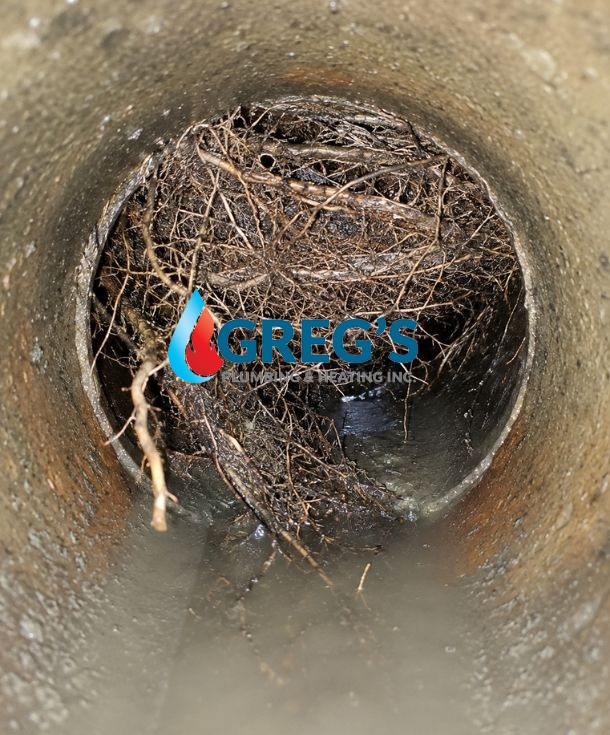
Tree roots are one of the most common reasons sewer lines start acting up in older areas. A camera can show whether roots are:
- light and localized
- thick and recurring
- entering in one place or multiple places
That difference matters. One root entry point may be repairable. Multiple root intrusions across the line often push the decision closer to replacement.
Breaks and cracks
A camera can show whether the pipe has:
- a small crack
- a separated joint
- a broken section
- a partially collapsed area
A single break may support spot repair. Widespread cracking usually changes the conversation.
Offsets and bellies
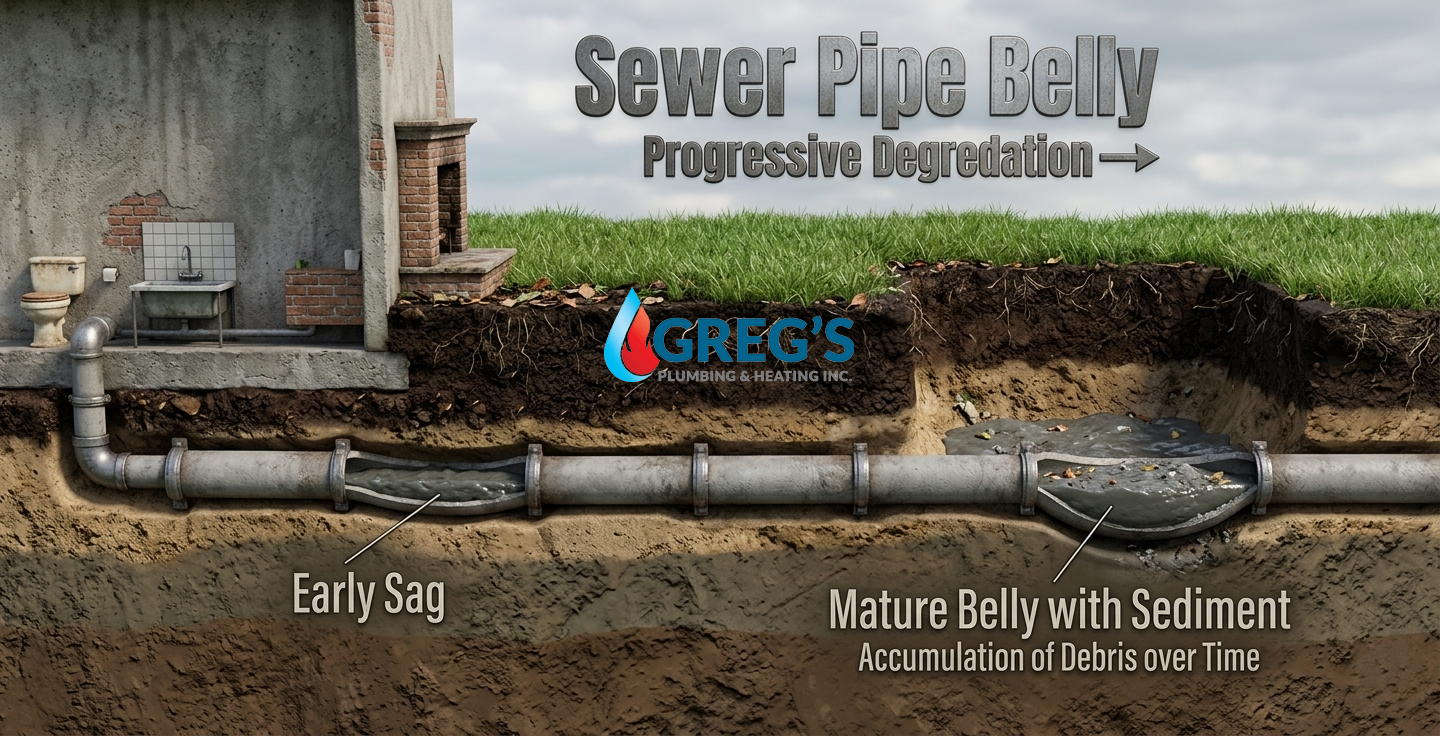
An offset happens when pipe sections no longer line up cleanly. A belly is a low area where waste and water collect instead of flowing properly.
These are important because they often cause repeat clogs even when the line is technically “open.” If there is one minor trouble spot, repair may be reasonable. If there are several, replacement often makes more sense.
Collapsed or severely damaged sections
If the line is partially collapsed or badly deformed, cleaning alone will not solve it. This is where hydro jetting or snaking can only do so much. The pipe still needs structural correction.
If sewage is already backing up while you are waiting on diagnosis or repair, do not keep using water. Go straight to Sewer Backup Repairs for the urgent side of the problem.
Common causes in Hamilton homes
Sewer line problems do not usually come out of nowhere. In Hamilton, there are a few patterns that show up again and again, especially in older neighbourhoods and homes with aging underground plumbing.
Older pipe materials
Older sewer laterals are more likely to develop cracks, offsets, and root entry points over time. Once joints begin to separate or the pipe starts to weaken, buildup and blockages become more common.
That is often why a homeowner starts with what seems like a simple clog, then later finds out the line has a structural issue behind it.
Root intrusion
Tree roots are one of the biggest reasons a sewer line shifts from “needs cleaning” to “needs repair.” Roots do not just block the pipe. They also keep coming back if they are entering through damaged joints or cracks.
A line with one root problem may still be repairable. A line with roots in multiple sections often points to a larger replacement conversation.
Shifting soil and movement
Ground movement can stress underground piping over time. That can create:
- separated joints
- offsets between pipe sections
- low spots where waste collects
- cracks that grow slowly year after year
When a line has shifted in more than one area, the problem tends to move beyond a simple repair.
Repeat buildup caused by poor drainage
Some lines do not fail because of one dramatic break. They fail because poor pitch, partial bellies, or rough pipe interiors keep catching waste. That leads to repeat blockages, repeat cleaning, and eventually a decision about whether ongoing maintenance still makes sense.
This is where hydro jetting may help in the short term if the issue is heavy buildup, but it will not correct a structural defect in the line.
Spot repair, section replacement, or full replacement
Once the sewer camera shows what is going on, there are usually three paths forward. The right one depends on how much of the line is affected and whether the pipe is still structurally reliable.
1) Spot repair
A spot repair makes sense when:
- one section is damaged
- one crack or one joint is the problem
- the rest of the line is still in good condition
This is often the best choice when there is a clear trouble area and no sign of widespread failure.
2) Section replacement
A section replacement is usually the right move when a longer portion of pipe is compromised, but not the whole line. For example, maybe the front yard section has repeated root intrusion and one offset joint, while the rest of the line still looks sound.
This approach solves the bad stretch without replacing more than necessary.
3) Full replacement
This makes the most sense when:
- the line has multiple damaged sections
- root intrusion is happening in more than one place
- there are repeated bellies, offsets, or breaks
- the pipe is heavily deteriorated overall
At that point, full replacement is often the more reliable and more economical long-term option than repeated partial fixes.
Simple comparison table
| Option | Best when | Main benefit |
|---|---|---|
| Spot repair | One isolated problem area | Least invasive targeted fix |
| Section replacement | One longer damaged stretch | Fixes a larger bad portion without full replacement |
| Full replacement | Widespread damage or repeat failures | Most reliable long-term solution |
The goal is not to jump straight to replacement. The goal is to match the fix to the actual condition of the line.
What to do if sewage backs up before the repair
If sewage backs up before the repair can be done, stop using water right away.
That means no showers, no laundry, no dishwasher, and avoid flushing toilets unless absolutely necessary. Any water you send into the drain system can come back up at the lowest fixture.
Keep kids and pets away from the area, and do not try to clean sewage with regular household methods if the contamination is spreading.
What to do first
- stop all water use
- keep people away from affected areas
- document visible damage if safe to do so
- do not use chemical drain cleaners
- call for urgent help
If the issue is active now, go straight to Sewer Backup Repairs.
If you are not sure what to do in the first few minutes, this homeowner guide is the best next step: Sewer Backup in Hamilton — Your First 60 Minutes.
Book the right next step
Once a sewer camera shows there is a real problem in the line, the next move should match the actual condition of the pipe, not guesswork.
If the damage is limited and the rest of the line looks sound, the right next step may be a targeted repair. If the line shows repeated root intrusion, multiple damaged sections, or broader deterioration, replacement may be the more reliable path.
That is why these three pages work together:
- If you already know the line needs work, start with Sewer Line Repair in Hamilton.
- If you still need to confirm exactly what is happening underground, book an onsite camera inspection.
- If the problem is active right now and you are dealing with sewage or backup risk, go straight to Sewer Backup Repairs.
- And if your symptoms still sound more like a blockage than a confirmed broken line, this page helps connect the dots first: Main Sewer Line Clog in Hamilton.
Need help now?
Greg’s Plumbing & Heating
69 Bigwin Rd Unit 1 Hamilton ON • 905-928-6831 • admin@gregsplumbing.ca
Call 905-928-6831 or Book Online
Service area: Hamilton, Dundas, Ancaster, Stoney Creek, Burlington, Binbrook, Grimsby, Niagara Falls, Caledonia.
FAQ: Sewer Line Repair or Replacement
1) How do I know if my sewer line needs repair or replacement?
It depends on how much of the line is damaged. One isolated crack, one bad joint, or one repeat blockage point may only need repair. Multiple damaged sections, recurring failures, or widespread deterioration usually push the decision closer to replacement.
2) Can a sewer line be repaired without replacing the whole thing?
Yes. If the problem is limited to one section and the rest of the line is still structurally sound, a spot repair or section replacement is often enough.
3) What does a camera inspection show in a sewer line?
A sewer camera can show roots, cracks, broken sections, offsets, bellies, buildup, and collapsed areas. It helps confirm whether the issue is isolated or spread through the line.
4) When does sewer line replacement make more sense than repair?
Replacement usually makes more sense when the line has repeated failures, multiple damaged areas, heavy root intrusion in more than one spot, or overall pipe deterioration that makes future problems likely.
5) Can hydro jetting fix a damaged sewer line?
No. Hydro jetting can help remove grease, sludge, and heavy buildup, but it does not fix structural damage like cracks, offsets, or collapsed sections. It is a cleaning solution, not a pipe repair.
6) What are common signs of a damaged sewer line?
Common signs include repeated drain backups, multiple slow drains at once, gurgling toilets, sewage smells, basement floor drain backup, and clogs that keep coming back after cleaning.
7) Is root intrusion a repair issue or a replacement issue?
It can be either. One localized root entry point may be repairable. Roots entering through multiple sections of pipe usually suggest broader line failure and may make replacement the better long-term option.
8) What should I do if sewage backs up before the repair is done?
Stop using water immediately, keep people away from the affected area, avoid chemical cleaners, and call for urgent help. If wastewater is already coming up inside the home, treat it as a sewer backup problem, not just a clog.