
The cost of ignoring a slow drain in a Hamilton home rarely shows up on day one. It starts with a little pooling in the sink, a faint odour after dishes, or a tub that gurgles when the toilet flushes. Leave it and the problem grows into swollen cabinet bases, damp drywall, and the kind of cleanup that costs more than a proper cleaning would have. With more than fifty years of plumbing experience in Ontario, we see this story every week. Early action is the least expensive and least stressful path.
This guide explains what a slow drain is really telling you, how to judge severity in minutes, and the point where a professional clean and a quick camera pass save you hundreds and protect finishes and air quality. If more than one fixture is affected or symptoms come back within a week, do not wait for a backup.Do you have a slow drain in your Hamilton home that just keeps getting worse? Let’s face it—clogged drains are more than just annoying. They slow everything down, smell awful, and usually hit at the worst possible time. If your drains keep clogging no matter what you do, it’s not bad luck—it’s buildup, habits, or hidden plumbing issues.
TL;DR (At-a-Glance)
- A slow drain is an early warning. Waiting turns small buildup into backups, odour, and repairs.
- Quick checks: clean strainers, hot water with a little dish soap in kitchens, refill floor drain traps.
- Severity score: 0–2 monitor, 3–4 book soon, 5+ urgent and minimise water use.
- Red flags: two or more fixtures slow, gurgling across rooms, toilet flush makes the tub bubble, odour that returns after refilling traps.
- Typical costs if you wait: cleaning is a few hundred; water damage, cabinet bases, drywall, and sanitation can run into the thousands.
- Best fix that lasts: proper mechanical cleaning from the right access point, then a camera to confirm a clear round bore and check for roots or offsets.
- Prevention that works: wipe pans before rinsing, use mesh hair catchers, hot water rinse after greasy loads, keep seldom used traps wet.
- If you are unsure, use the Drain Clog Severity Checker.
Why Slow Drains Are More Than Just Annoying
What a slow drain is really telling you
Water that lingers in a sink or tub is a sign that pipe walls are narrowing. Grease films, hair and soap residue, food particles, lint, or mineral scale create rough surfaces that trap more debris with every use. In older Hamilton neighbourhoods, small root hairs at joints can also start the cycle.
Expensive to ignore
Standing water breeds bacteria and carries food waste odours back into living spaces. Porous finishes like particle board cabinets and baseboards wick up moisture and begin to swell. Within one to two days, damp drywall and wood can support mould growth, which means tear out and remediation rather than a simple clean.
Early warnings to respect
- The same drain slows again within a week after a basic clean
- Gurgling noises at a nearby sink or tub when you flush the toilet
- Odour in a room with a floor drain after a few days away from home
- Two fixtures on the same level begin to slow at the same time
What you can do in minutes
Remove the strainer or pop up, wipe visible residue, and rinse the tailpiece you can reach. In kitchens, add a small amount of dish soap, then chase with hot water that is not boiling to break down grease. If the improvement does not last, the restriction is deeper than the trap.
Why quick fixes often do not last
Store bought chemicals can sit against a solid blockage and damage seals. Short hand snakes clear the first few centimetres but leave deeper films in place. That is why the drain seems fine for a day and then slows again. A full bore clean with the right cable and head restores the internal diameter and gives results that last.
Simple decision guide
| Symptom you see | Likely cause | Safe first step | When to schedule service |
|---|---|---|---|
| One sink slows again after a week | Hair and soap residue | Clean strainer and stopper, hot water rinse | If the slow returns within seven days |
| Kitchen sink leaves a ring of grease | Grease film on pipe walls | Dish soap then hot water, wipe pans before rinsing | If pooling remains after forty five seconds |
| Tub bubbles when toilet flushes | Shared branch restriction | Stop testing, reduce water use | Book a mechanical clean and camera |
| Odour plus slow in more than one room | Venting issue or main restriction | Refill traps with water, check floor drains | Book cleaning and inspection now |
Where to go from here
Get a full overview in our drain cleaning in Hamilton primer, then schedule service before the next family dinner or laundry day makes the problem worse. If you want help choosing a time, contact us and we will guide you to the right visit length and access point.
Why Slow Drains Are More Than Just Annoying
A slow drain in Hamilton isn’t just an inconvenience. Over time, it leads to standing water, bad odors, and bacterial growth. Worse, it’s often an early warning sign of a deeper plumbing problem that could cause serious damage if ignored.
The Hidden Costs of Waiting
What small delays really cost
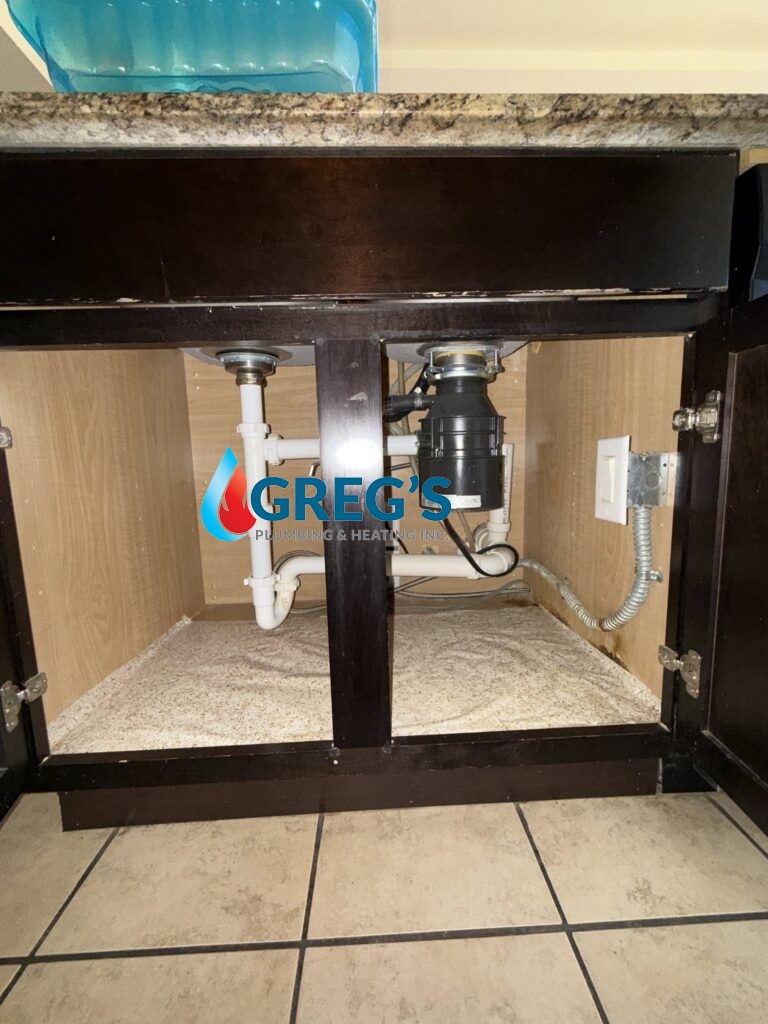
A slow drain traps residue and moisture. Within twenty four to forty eight hours, damp wood and drywall can support mould. Swollen cabinet bases and softened subfloors follow. What began as a nuisance becomes removal and rebuild instead of a simple clean.
Real world scenarios from Hamilton homes
- Kitchen sink that leaves a greasy ring after every wash. Grease film thickens, flow slows during family dinners, and the dishwasher overflows into the cabinet base.
- Basement floor drain that gurgles during laundry. Lint paste and a partial main restriction push water up at the low point, soaking baseboards.
- Tub that pools at the ankles and bubbles when the toilet flushes. A shared branch is restricted and one long shower becomes a spill onto the hallway floor.
Cost and risk table
| Symptom now | Likely outcome if ignored | Typical next cost in Hamilton | Time sensitivity |
|---|---|---|---|
| Slow kitchen drain with greasy ring | Dishwasher spill and cabinet swelling | $250 to $600 for proper clean and camera if done early. $900 to $2,000 if cabinet base replacement is needed | Act within one week |
| Basement floor drain burps during laundry | Overflow onto finished floor | $300 to $700 for cleaning and inspection. $1,500 to $4,000 for flooring and baseboard replacement if saturated | Act within seventy two hours |
| Tub bubbles when toilet flushes | Cross backup into tub or shower | $300 to $800 for main line cleaning and camera. $1,000 plus for sanitation and drywall if backup occurs | Act immediately |
| Persistent odour after trips away | Dry traps or vent stress that masks a deeper blockage | $200 to $500 for cleaning and minor vent check. Higher if main restriction is found | Act within one week |
Numbers are typical ranges. Final pricing depends on access, pipe material, and findings on camera.
Early signs that save money
- Gurgling near a different fixture after a flush means shared line stress.
- A sink that clears but slows again within seven days points to buildup beyond the trap.
- Odour that returns after refilling a floor drain means the issue is not only evaporation.
Safer first steps
- Clean strainers and pop ups.
- In kitchens, add one to two teaspoons of dish soap and chase with hot water that is not boiling.
- If more than one fixture is slow, reduce water use and plan a proper mechanical clean rather than repeated tests.
For a fuller explainer on methods and what to expect during service, see our guide on drain cleaning in Hamilton.
What Is Causing Your Drain to Slow Down
Kitchen lines
Grease, oils, and fine food solids create a thin film that grabs more debris with every wash. Coffee grounds and starches like rice and pasta swell and gel. The line narrows and the sink cannot keep up during peak use.
Quick checks
- Wipe pans with paper towel before rinsing.
- Run hot water for sixty to ninety seconds after greasy dishes.
- If pooling remains after forty five seconds of faucet flow, schedule a clean.
Simple numbers
A typical kitchen faucet flows six to nine litres per minute. If the drain only passes three to four litres per minute due to grease film, the basin will fill and overflow during a single dishwasher discharge.
Bathroom sinks and tubs
Hair and soap residue form a sticky biofilm on the tailpiece and trap. Even a few millimetres reduce the effective diameter and cause pooling at the ankles during a shower.
Quick checks
- Remove and clean the stopper or cover.
- Use a mesh catcher and empty it daily.
- Coin test for tubs. If water rises more than one to two centimetres within two minutes of normal shower flow, plan a proper clean.
Laundry and basement drains
Lint and detergent paste settle in low spots, and older galvanized lines may have mineral scale. Floor drains are the first to show stress when washers discharge.
Quick checks
- Look for burping sounds at the floor drain during the spin cycle.
- Refill the trap with two to three cups of water after long gaps in use.
- If any water lifts the grate, pause laundry and arrange cleaning.
System level causes
When more than one fixture is slow, the problem is usually a shared branch or the main. Venting issues can also slow drainage and pull air through traps which creates noise and odour.
What this looks like
- Toilet flush makes the tub gurgle.
- Kitchen and bath on the same floor both slow within a week.
- Odour returns soon after refilling a floor drain.
Cause and fix table
| Where it starts | Primary cause | Best fix | Prevention that works |
|---|---|---|---|
| Kitchen sink | Grease film and food fines | Mechanical clean with correct cable head and a quick camera pass | Wipe pans, strainers, hot water rinse after greasy loads |
| Bathroom sink or tub | Hair and soap biofilm | Pop up clean and cable to clear beyond the trap | Mesh catcher, monthly stopper clean |
| Laundry and basement | Lint paste and scale at low points | Cable from the right cleanout and verify with camera | Clean washer filter, avoid over sudsing |
| Multiple fixtures | Shared branch restriction or vent stress | Branch or main cleaning and a vent check | Keep traps wet, annual maintenance if heavy use |
When to book service
- Repeat slow within seven to ten days after a basic clean.
- Two or more fixtures affected at the same time.
- Any cross backup or overflow.
If you are unsure, use the Drain Clog Severity Checker and choose the visit length based on your score.”
Quick Severity Triage You Can Do Now
The two minute observation
Stand at the sink or tub that is giving you trouble. Turn the tap to a strong but normal flow and watch what happens for two minutes. Note pooling height, gurgling sounds, and whether the water line creeps higher when other fixtures run.
Kitchen sink timer check
Fill the basin with ten centimetres of water. Pull the stopper and start a timer. A healthy line clears that volume in forty five seconds or less. If it takes one minute to a minute and a half, there is moderate restriction. Longer than ninety seconds points to a deeper blockage.
Tub pooling height
Run a normal shower. If water rises more than one to two centimetres around your ankles within two minutes, there is a restriction. If you also hear gurgling at the vanity or toilet, treat it as a shared line issue.
Compare nearby fixtures
Test a second fixture on the same level. If both are slow, the problem is in the shared branch or the main, not just a hair catcher.
Odour and trap check
Pour two to three cups of water into floor drains and any rarely used fixtures. If odour returns within one to two days, you likely have more than simple evaporation.
Fast scoring to guide your next step
| Check | What you see | Score |
|---|---|---|
| Kitchen drain time | Clears ten centimetres in forty five seconds or less | 0 |
| Clears in forty six to ninety seconds | 1 | |
| Takes longer than ninety seconds | 2 | |
| Tub pooling height | Less than one centimetre after two minutes | 0 |
| One to two centimetres | 1 | |
| More than two centimetres | 2 | |
| Gurgling | None | 0 |
| At one nearby fixture | 1 | |
| At two or more fixtures | 2 | |
| Odour after refilling traps | No odour within forty eight hours | 0 |
| Odour returns | 1 | |
| Number of fixtures affected | One only | 0 |
| Two or more on the same level | 2 | |
| Cross backup | None | 0 |
| Any cross backup such as toilet flush makes tub bubble | 3 |
How to read your total
- 0 to 2 Monitor and complete simple cleaning.
- 3 to 4 Book soon to prevent damage.
- 5 or more Treat as urgent and minimise water use until the line is cleared.
A score of three or higher is a clear sign you need professional drain cleaning in Hamilton to avoid costly damage and persistent odours.
Practical examples
- Kitchen clears in eighty seconds and leaves a grease ring, total score two to three. Plan a clean before the next large meal.
- Tub pools two centimetres and the vanity gurgles, total score four to five. Book soon and avoid long showers.
- Toilet flush makes the tub bubble, total score seven or more. Stop water use on that branch and schedule an urgent main clean.
Prevention that works today
Use mesh strainers in baths, wipe pans with paper towel before rinsing, and run hot water for sixty to ninety seconds after greasy loads. Refill floor drains with two to three cups of water after time away. If symptoms return within seven to ten days, the restriction is deeper than the trap and needs a proper mechanical clean.
How Greg’s Plumbing Fixes It Fast
What you can expect on site
We start with questions about symptoms and timing, then run water tests to see how the system behaves. If more than one fixture is affected, we plan the right access point so the clean reaches the real blockage. This saves time and avoids repeat visits.
Right tool for the right line
Kitchen lines respond best to a cable with a grease head or to controlled jetting when the pipe condition allows it. Bathroom lines often need a smaller cable to clear hair and soap film past the trap. Mains and shared branches usually need a larger cable and then a camera to confirm the bore is clear and round.
Typical methods and when we use them
| Method | Best for | What it does | Typical time on site |
|---|---|---|---|
| Sink or bath cable | Hair and soap film near traps | Restores flow past the first bends and into the branch | Forty to sixty minutes |
| Main line cable with the correct head | Multiple fixtures or cross backups | Cuts and retrieves deeper buildup and early roots | Sixty to ninety minutes |
| Controlled jetting where safe | Heavy grease in kitchen lines | Emulsifies and flushes grease films from pipe walls | Sixty to ninety minutes |
| Camera inspection after cleaning | Any repeat or system wide issue | Confirms full clearance and checks for defects | Twenty to forty minutes |
Times are typical for clear access and average runs.
Why the camera matters
A camera confirms the pipe is fully open, shows offsets or bellies, and documents early roots before they become a full blockage. It also prevents guesswork and helps plan accurate maintenance.
Simple prep checklist for faster results
- Clear the area under sinks and around floor drains.
- Know the path to cleanouts and utility rooms.
- Pause laundry and dishwashers for two hours before we arrive.
- If you have a backwater valve, note where it is located.
When you are ready to schedule, use the embedded Book Online button or the Contact form. We will help you choose the right visit length and access point.
Book Drain Cleaning in Hamilton Today
When to book right away
- Slow drains return within seven to ten days after a basic clean.
- Two or more fixtures on the same floor are slow or gurgling.
- Any cross backup such as a toilet flush that makes the tub bubble.
- Ongoing odour that comes back after refilling floor drains.
What a standard visit includes
Arrival window, on site assessment, safe mechanical cleaning from the best access point, and a camera pass when patterns suggest deeper issues. You get clear findings and prevention steps that match how your home is used.
If you need targeted help for a single line, book clogged pipes and drains repair
Visit planning table
| Situation | Good starting slot | Common access point | Notes |
|---|---|---|---|
| Single slow sink or tub | One hour | Under sink or tub overflow access | Often cleared with a small cable and stopper service |
| Kitchen that slows during big meals | One to one and a half hours | Under sink or nearby cleanout | Grease film often calls for a larger head or controlled jetting |
| Gurgling across rooms or repeat clogs | One and a half to two hours | Basement cleanout or stack | Plan a camera after the clean to document the cause |
| Cross backup or floor drain overflow | Two hours | Main cleanout | Treat as urgent to reduce water damage risk |
Simple aftercare that keeps lines clear
- Wipe pans with paper towel before rinsing.
- Use mesh catchers in baths and clean them daily.
- Run hot water for sixty to ninety seconds after greasy dishes.
- Refill seldom used floor drains with two to three cups of water.
For step by step routines that keep lines clear, see how to prevent clogged drains
Conclusion
A slow drain is not just an inconvenience. In Hamilton homes it is often the first sign of a restriction that will become a backup if you wait. The true cost is rarely the cleaning itself. It is the cabinet base that swells, the drywall that must be cut out, the days of odour and dehumidifiers, and the chance of mould that turns a simple visit into a restoration project.
Act while it is still only slow. Use the quick checks in this guide. If more than one fixture is affected or your score reaches three or higher, book a proper mechanical clean and a camera pass. That is the least expensive point to fix the cause and protect finishes, air quality, and your budget.
FAQ: Cost of Ignoring a Slow Drain
How quickly can a slow drain turn into a backup
In a busy kitchen or a shared branch it can happen within a single weekend. Grease from a couple of large meals or lint from a few laundry cycles can push a partial restriction over the edge. Treat repeat slow flow as a now problem rather than a later problem.
What repairs cost more than the cleaning itself
Cabinet base replacement, subfloor repairs, baseboards, and drywall are the usual budget breakers. Add fans, dehumidifiers, and sanitation, and the project can cost many times more than a timely clean and camera.
Does home insurance cover water from a clogged drain
Policies vary. Many plans treat backups and long term seepage differently from sudden pipe failures. Insurers may also require proof that you maintained the system. Camera footage and service notes help. Ask your provider and keep records.
When is it safe to keep using water while I decide
If any fixture causes a cross backup such as a toilet that makes the tub bubble, stop water use on that branch. If two or more fixtures are slow on the same level, reduce use to short essentials only until the line is cleared. This prevents a small problem from becoming a floor level spill.
What are the health risks of waiting
Standing water and damp finishes support bacteria and mould within one to two days. Children, older adults, and those with allergies feel the effects sooner. Fast cleaning and drying prevent these costs and keep indoor air healthier.
My sink improves after hot water and soap. Why should I still consider a clean
Hot water and soap can thin surface grease but they do not remove deeper film or scale. If the slow returns within a week, buildup remains beyond the trap. Scheduling a mechanical clean at that point is less costly than riding the cycle until it backs up.
Do older Hamilton homes face higher risk
Older neighbourhoods often have mature trees and older pipe materials. Fine roots at joints and settled sections of pipe catch debris and re seed clogs. Regular maintenance and a once off camera record are smart investments that reduce surprise costs.
Is proactive drain cleaning worth it if I have not had a backup yet
Yes. An annual or every other year clean for heavy use kitchens is far cheaper than even a small restoration. It also gives you documentation for insurance and resale, and it keeps odour away from living spaces.
What proof should I keep after the work
Keep the written findings, before and after camera clips when available, and any recommendations on access points and venting. This documentation helps with future troubleshooting, insurance questions, and buyer confidence if you sell the home.


