
Drains keep clogging? Slow sinks, gurgling showers, and that sewer odour never show up at a good time. If your drains keep clogging, it’s rarely bad luck, it’s buildup, habits, or a hidden plumbing issue waiting to surface. In Hamilton’s mix of older clay/galvanized lines and newer PVC, the cause can range from kitchen grease and hair to venting, slope, or tree roots in the sewer lateral. The fix starts with knowing what’s really inside your pipes, then choosing the right prevention so the problem doesn’t come back.
At-a-Glance (TL;DR)
- Top culprits: Kitchen grease & oils (cool and harden like glue), hair + soap scum (bind into mats), “flushable” wipes (don’t break down), food scraps/coffee grounds (garburator overload), laundry lint (sludge in standpipes), poor venting/slope, old or scaled pipes, and tree roots in older laterals.
- DIY quick wins: Use mesh strainers in sinks/showers; scrape/wipe pans before washing; collect fats/oils in a container (bin, don’t pour); add a lint trap to the washer discharge; plunge properly (cup plunger for sinks, flange plunger for toilets); remove and clean the P-trap on sinks.
- What to avoid: Chemical drain cleaners (can damage pipes and fixtures, especially older lines); grinding fibrous foods in the garburator; flushing anything but toilet paper.
- When it’s not just a clog: Multiple fixtures slow, basement floor drain backing up, gurgling after flush, or frequent clogs every few weeks point to a main line issue (scale, roots, bellies, or improper slope).
- Set-and-forget prevention: Annual or seasonal drain maintenance (especially kitchen lines), strainers on every drain, monthly enzyme maintenance (safe, non-corrosive), and upgrades to smooth-wall PVC where chronic blockages recur.
- Try our free Drain Clog Severity & Fix Finder.
Why drains keep clogging (what’s actually happening)
Clogs don’t happen out of nowhere, they build slowly until one day the water just won’t go down. Each part of your home’s plumbing has its own troublemakers. Here’s what usually causes the blockages, room by room.
1) Kitchen (sink/garburator):
- Grease, oils, and fats go down hot, cool inside the pipe, and stick like glue. Each rinse adds another layer until flow narrows.
- Starches and pastas (rice, potatoes, noodles) swell and turn into paste.
- Coffee grounds and fibrous scraps (celery, corn husks) catch on rough pipe walls and form a net for more debris.
Fix the cause: Wipe pans with a paper towel, bin fats in a container, and go easy on the garburator. If the line clogs often, schedule a de-grease and descale with a professional Drain Cleaning.
2) Bathroom (tub/shower/sink):
- Hair + soap scum bind into dense mats that sit just past the stopper or in the trap.
- Shaving debris and toothpaste add to the sludge layer on pipe walls.
Fix the cause: Use mesh strainers and clean them weekly. Consider a quick trap and pop-up clean-out every month.
3) Toilets:
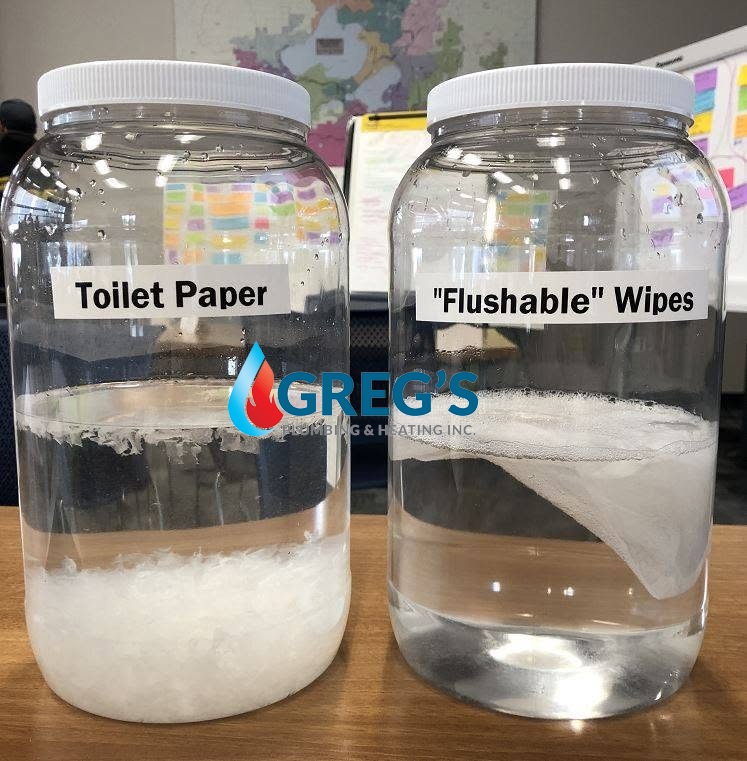
- “Flushable” wipes aren’t—they don’t break down like toilet paper. Cotton swabs, dental floss, and feminine products all snag and pile up.
Fix the cause: Toilet paper only. If slow-flush spreads to nearby fixtures, the issue may be in the main line—book a Camera Inspection to confirm.
4) Laundry/utility:
- Lint sludge from the washer and soap residue collect in the standpipe and trap.
- Older galvanized or cast-iron pipes in Hamilton-area homes can be scaled or rough inside, catching debris.
Fix the cause: Add a lint trap to the discharge hose and clean the standpipe trap periodically.
5) Whole-home/older sewers:
- Poor slope, venting issues, or “bellies” (sags) slow flow so solids settle.
- Tree roots invade older clay tile laterals, then catch grease and paper.
Fix the cause: A camera inspection to locate the defect, followed by targeted snaking/root cutting or hydro-jetting. Chronic problems may need spot repair or re-pipe. See our Clogged Pipes & Drains page for options.
DIY fixes that actually work (and what to avoid)
Not every slow drain needs a plumber right away. A few simple habits and quick fixes can keep your lines clear and buy you time. Here are homeowner-friendly steps that work—and a few shortcuts to avoid.
1) Strainers everywhere
Install mesh strainers in kitchen, bathroom sinks, and showers. Empty into the bin—weekly for kitchens, twice weekly for showers with long hair.
2) Proper plunging technique
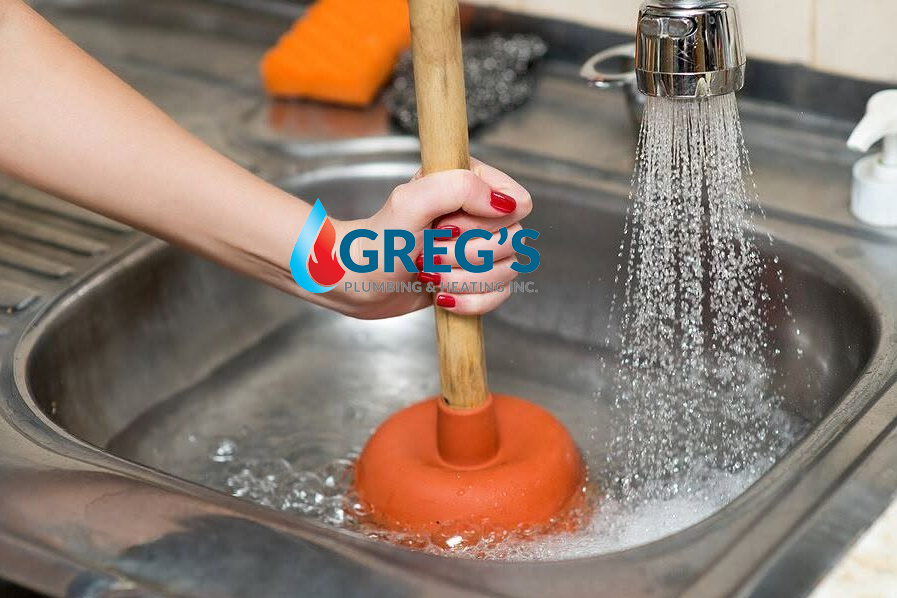
Use a cup plunger for sinks/tubs and a flange plunger for toilets. Seal the overflow on sinks/tubs with a damp cloth so you get full pressure.
3) Clean the P-trap and pop-up
Place a bowl under the trap, loosen the slip nuts, and remove the trap to clear hair/grease. Rinse and reassemble; hand-tight plus a small tweak with pliers is enough.
4) Monthly enzyme maintenance
Use a non-corrosive enzyme treatment overnight on slow lines (kitchen/bath). It digests organic buildup without harming pipes or fixtures.
Avoid: Chemical drain cleaners—they can damage older pipes, fixtures, and finishes, and often push clogs deeper.
5) Hot-then-cold flush (kitchen only)
Run hot tap water for 30–60 seconds after greasy dishwashing, then a short cold flush to harden any residual fats so they break up and move along.
Note: Don’t pour boiling water into PVC traps—use hot tap temperature.
6) Garburator discipline
Small, soft leftovers only. No coffee grounds, fibrous peels, eggshells, or large starch loads. Always run water 10–15 seconds after shut-off.
7) Washer lint trap & standpipe care
Clip a mesh lint catcher to the washer hose and replace when full. If the standpipe gurgles or overflows, clean the trap and consider a maintenance jetting.
8) Know when it’s not just a clog
Recurring slow drains, multiple fixtures backing up, or basement floor drain overflow usually means a main-line issue. That’s your cue for a camera inspection and, if needed, hydro-jetting instead of chemicals. Learn more about our Drain Cleaning approach.
Not sure how bad your clog really is? Try our free Drain Clog Severity & Fix Finder.
Pro solutions that actually keep drains clear
Camera inspection (start here)
We feed a high-definition camera through the line to see the true cause—grease caps, soap/scale on the pipe walls, a belly (sag), or tree roots in older laterals. This removes guesswork and tells us whether you need jetting, cutting, or a spot repair.
Cable/sectional snaking
Snaking punches through heavy blockages and retrieves foreign objects fast. It restores flow quickly, but it doesn’t scrub residue from the pipe walls—so chronic kitchen clogs can return without a deeper clean. We often pair snaking with a maintenance plan or follow-up jetting.
Hydro-jetting (best for grease, scale, and soap)
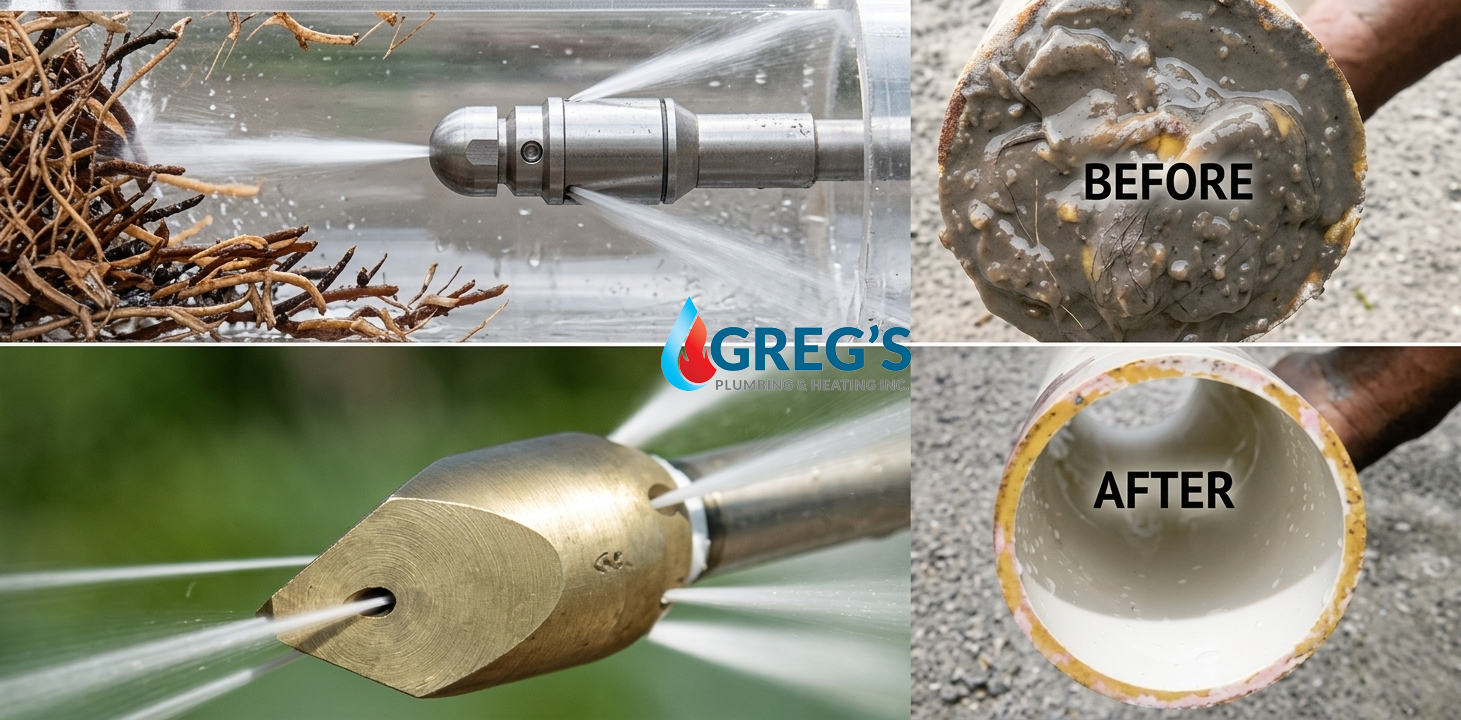
High-pressure water scours pipe walls 360°, stripping away the sticky film that traps new debris. It’s the gold standard for kitchen lines, hair/soap buildup, and scale in older cast iron. If you’ve had repeat clogs, hydro-jetting is the reset that actually lasts. Learn more on our Drain Cleaning page.
Root removal + line restoration
For older clay tile or cracked joints, we cut roots, jet the line clean, and verify with the camera. If the video shows a structural defect (offset joint, collapse, severe belly), we’ll recommend a targeted repair or re-pipe of just the problem section to prevent future backups.
Venting and slope corrections
Persistent gurgling, slow drains after cleaning, or air “burps” point to venting or pitch issues. We check vent terminations and pipe slope; correcting these stops solids from settling and breaks the re-clog cycle—especially in long basement runs common in Hamilton-area homes.
Prevent it for good: a simple maintenance playbook
| When | What to do | How to do it (2–3 mins each) | Why it matters | Pro tip |
|---|---|---|---|---|
| Weekly | Empty mesh strainers (kitchen, shower) | Tip debris to the bin; rinse screens | Stops hair/food from forming a net in the trap | Long hair home? Do showers twice weekly |
| Weekly | Wipe pans before rinsing | Use a paper towel to remove fats/oils | Grease cools and sticks to pipe walls like glue | Collect fats in a jar; bin when full |
| After greasy dishes | Hot-then-cold flush | Run hot tap 30–60s, then a short cold burst | Moves softened grease along before it sticks | Don’t pour boiling water into PVC traps |
| Monthly | Enzyme treatment (kitchen/bath) | Dose per label at bedtime; flush in the morning | Safely digests organic film on pipe walls | Avoid chemical drain cleaners—they damage pipes and fixtures |
| Monthly | Clean pop-up and P-trap (worst sink) | Place bowl, loosen slip nuts, clear hair/soap, re-seal hand-tight | Removes the choke point most clogs start at | Keep spare washers in case an old one cracks |
| Monthly | Add a lint trap to washer hose | Clip mesh sleeve to discharge; replace when full | Stops lint sludge in the standpipe | If you hear gurgling, clean the standpipe trap |
| Quarterly | Toilet dye test | Food colouring in tank; wait 10–15 min; colour in bowl = leak | Catches silent flapper leaks that spike bills | Replace flappers every 3–5 years |
| Spring & Fall | Check outdoor hose bibs & yard drains | Look for drips, damp soil, slow drains | Prevents hidden leaks and cold-weather damage | Install frost-free bibs and disconnect hoses before freeze |
| Seasonal | Review venting clues | Note persistent gurgling/odour after cleaning | Flags vent or slope issues that re-clog lines | If symptoms persist, book a Camera Inspection |
| Annually (semi-annually for heavy-use kitchens) | Pro drain maintenance | Camera the line; hydro-jet to scrub grease/scale | Resets the pipe to clean walls so clogs don’t return | See our Drain Cleaning for details |
| As needed | Address repeat offenders | If one line clogs often, consider a spot re-pipe or slope fix | Permanent fix beats recurring emergencies | Chronic backups? Check Sewer Backup Service |
If it’s backing up right now: do this first
- Stop using water throughout the home (dishwasher, laundry, showers).
- Avoid chemical drain cleaners—they can worsen the blockage and damage pipes/finishes.
- Check the lowest fixtures (basement floor drain, laundry tub). If water is present, the issue is likely in the main line.
- Protect the area: move items off the floor, lay towels to contain water.
- Call for help: book Emergency Plumbing or a same-day Drain Cleaning visit. We’ll camera the line, clear the blockage, and provide a prevention plan so it doesn’t come back.
Not sure how bad your clog really is? Try our free Drain Clog Severity & Fix Finder.
How Greg’s Plumbing Can Help
Understanding why drains keep clogging is the first step to preventing them-because ignoring the issue can lead to costly repairs.
At Greg’s Plumbing & Heating, we handle everything from:
- Routine residential drain cleanings to keep lines flowing year-round
- Camera inspections that pinpoint the exact cause of recurring clogs
- Hydro-jetting for grease, soap, and scale that plungers and snakes can’t remove
- Emergency backups with same-day response when drains stop working completely
We bring industrial-grade equipment and real experience to every call.
Get in touch today or call 905-928-6831 to book your drain cleaning.
Final Tip: Listen to Your Drains
If you’re hearing gurgling, noticing slow draining, or smelling something weird—your drain is telling you it’s time. Don’t wait until it’s too late.
Greg’s Plumbing: Here to keep your pipes flowing and your floors dry.
FAQ: Drains Keep Clogging in Hamilton
A plunger can clear surface blockages, but it doesn’t remove grease, soap, or scale stuck to the pipe walls. If clogs keep coming back, you likely need a professional cleaning such as hydro-jetting to scrub the line clean.
No. Harsh drain chemicals can corrode older copper, galvanized, or cast-iron pipes and damage finishes around sinks and tubs. They also often push clogs deeper. A safer choice is enzyme treatments or calling a plumber for a camera inspection and proper cleaning.
Install a mesh hair catcher or strainer over the drain and empty it weekly. Pairing it with a monthly enzyme treatment helps keep soap and hair buildup from hardening into a full blockage.
Yes. Despite the label, flushable wipes don’t break down like toilet paper. They tangle with grease and other debris, creating solid blockages in toilets and even in the main sewer line.
Most Hamilton and surrounding-area homes benefit from a professional drain cleaning every 12–18 months, especially kitchen lines where grease and food waste collect. Homes with older clay or cast-iron pipes may need it more often.
If more than one fixture is slow at the same time, or if the basement floor drain backs up when you flush or run water, the issue is in the main line. A camera inspection will confirm if it’s roots, grease, or a collapsed section.
Snaking breaks through blockages, but it leaves residue on the pipe walls. Hydro-jetting uses high-pressure water to scrub the entire pipe interior clean, making it the better option for grease, soap scum, and repeat clogs.
Yes. Many older homes in Hamilton, Dundas, and Ancaster still have clay or galvanized steel lines. These rough surfaces catch debris more easily, and tree roots can break into the joints. Regular inspections and maintenance are key to preventing backups.


