
When storms push the municipal sewer the wrong way, a Backwater Valve in Hamilton is your one-way gate that lets your home’s wastewater out but blocks street-side surges from coming back in. This guide explains who qualifies for the City rebate, what installation really costs in Hamilton basements, and how to tell if your home needs one, especially if you’ve had a past backup or fixtures sit below street level. If you’re already dealing with slow drains or repeat backups, start with Sewer Backup Repairs to confirm the cause, then plan the valve from facts, not guesses.
If your warning sign is a basement floor drain backing up or smells, start there first to confirm whether you’re dealing with a local clog, a mainline restriction, or a storm-driven surcharge.
TL;DR
A backwater valve prevents storm-driven sewer water from flowing into your basement; it doesn’t fix on-property clogs like roots or grease. Many Hamilton homes qualify for a municipal rebate—check eligibility below, review transparent install ranges, and book a licensed inspection to get the paperwork handled end-to-end.
What a Backwater Valve Actually Does (and Doesn’t)
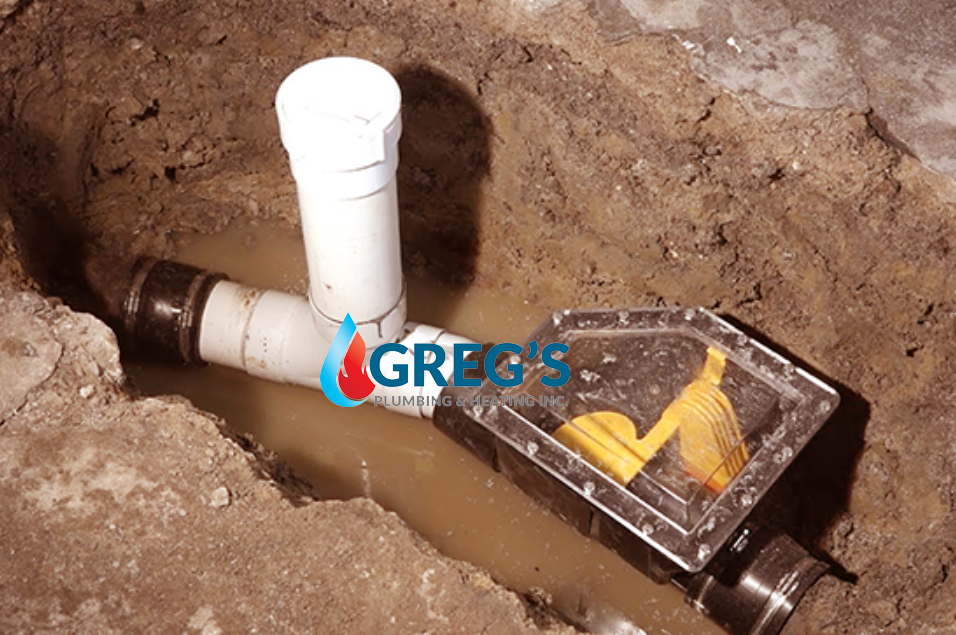
A backwater valve is a simple one-way gate on your sanitary line. During normal use it stays open so wastewater flows out to the municipal sewer. When the street side surges during a storm, the flapper lifts and seals, blocking reverse flow so sewage can’t push into your basement. It’s passive, mechanical, and sits in an accessible box with a removable lid for inspection.
What it won’t fix are on-property problems like tree roots in an old clay tile, a collapsed or bellied section, or heavy grease and wipes. Those need clearing, repair, or lining based on camera evidence. If you’ve had slow drains or repeat clogs, start with a scope and cleaning on Sewer Backup Repairs and Drain Cleaning so the valve is added to a healthy line, not masking a blockage.
You’ll typically need or strongly benefit from a valve if basement fixtures sit below street level, you’ve had a municipal surge during storms, you’re in an area with combined sewers, or you’re finishing a basement and want insurance peace of mind. Your installer will locate the correct sanitary line (not the storm/sump) and set the box flush with the slab so you can lift the lid for maintenance.
Hamilton Rebate — Who Qualifies and How It Works
Quick Eligibility Snapshot
Most single, semi-detached, and townhomes in Hamilton that are connected to the municipal sanitary sewer and have a risk or history of basement backups can qualify. The valve must be installed on the sanitary line to code, with a permit and final inspection. Work must be completed by a licensed contractor who provides photos and documentation as proof. If you’re unsure which line is sanitary, we confirm with a camera before any cutting.
Check Your Address in 60 Seconds
Use our Backwater Valve Rebate Checker to see if your address and neighbourhood conditions align with current City guidelines. We cross-check flood history, sewer type, and basement plumbing layout, then confirm eligibility on site and handle the paperwork so you don’t have to. When you’re ready, book an eligibility inspection and we’ll bring your camera locate, permit details, and a clear install plan.
What We Submit for You
We prepare the permit application, pre- and post-install photos, materials and labour invoice, and final inspection proof, then submit the complete package for rebate processing. Your copy includes the camera report and the valve’s location measurements for future maintenance. Prefer to get on the calendar first? Jump to Contact / Book Online and select “Backwater valve eligibility & quote.”
Costs and Timelines in Hamilton
Backwater valve pricing depends on depth, access, concrete cutting, and whether we’re adding a clean-out. Here are homeowner-friendly ranges for Hamilton homes—installed scope, no hourly pricing.
| Scenario | Typical installed range | What’s included |
|---|---|---|
| Standard install (shallow slab, good access) | $2,200–$3,200 | Camera locate, permit, valve + box, concrete cutting, install to code, restoration ready, inspection. |
| Deeper dig / thicker slab / tight access | $3,300–$4,800 | Extra excavation and shoring, debris haul-out, extended restoration area. |
| Add or relocate exterior/interior clean-out | +$350–$850 | New accessible clean-out with labelled cap and mapping. |
| Pair with spot repair/lining (if defects found) | +$1,200–$3,500 | Sectional repair or short liner where camera shows cracks/roots. Priced after scope. |
What drives cost: Pipe depth below slab, slab thickness, distance from the ideal valve location to the work area, need for an additional clean-out, and restoration details near finishes (furnace room vs. finished rec room).
Timeline: Most projects are 1–2 visits. Permit and inspection add coordination time; we handle both and target minimal downtime for your fixtures. Many installs are completed the same day once the permit is active.
Insurance/financing: Some insurers discount premiums after a code-compliant valve with documentation. If you need staged payments, mention it when you book online.
Our Installation Process (What to Expect)
We start with a camera locate of your sanitary line to confirm the ideal spot and verify there’s no on-property blockage. If we find roots, scale, or a collapse, we’ll clear or repair first so the valve protects a healthy line—see Sewer Backup Repairs for how we document causes.
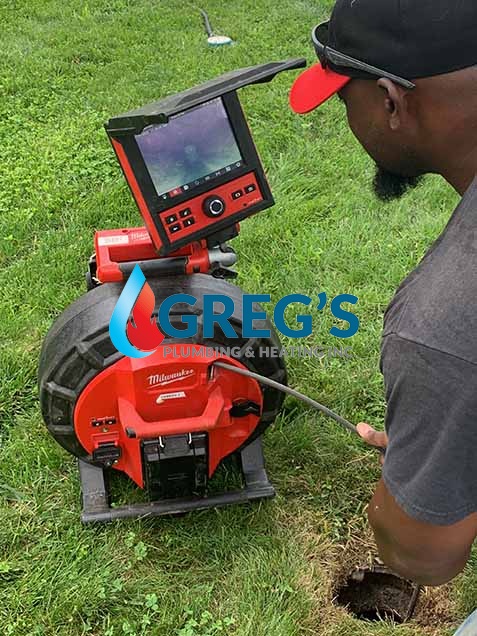
Next comes permit and utility locates. Once active, we protect floors, cut and open the slab, and install a code-compliant backwater valve in an accessible box with a labelled lid. Where needed, we add a properly positioned clean-out for future maintenance, then restore the concrete so the lid sits flush and easy to access.
We commission and test the valve, verify slope and flow, and walk you through the maintenance routine (quarterly visual check, annual service, lid kept clear—no storage on top). Finally, we schedule the inspection and submit your rebate paperwork with photos, invoices, and the camera report. For any post-install questions or to schedule, head to Contact / Book Online.
Maintenance: Keep the Valve Ready
A backwater valve is only protection if it can close freely. Do a quick quarterly visual check: lift the access lid, shine a light, and make sure debris isn’t lodged around the flapper. After big storms, repeat the check—surges can carry grit that needs a simple wipe.
Plan an annual service so we can remove the cover, clean the hinge and seal, confirm slope, and test closure. Keep the access lid clear—no storage shelves or bins on top—so you can reach it in seconds. If you notice slow drains after heavy rain, gurgling, or sewer odours, book an inspection; the valve may be catching debris or there may be a new on-property restriction. If we find roots or scale upstream, we’ll pair maintenance with Drain Cleaning and a quick camera check.
BLackwater Valve Types & Best Placement in Hamilton Homes
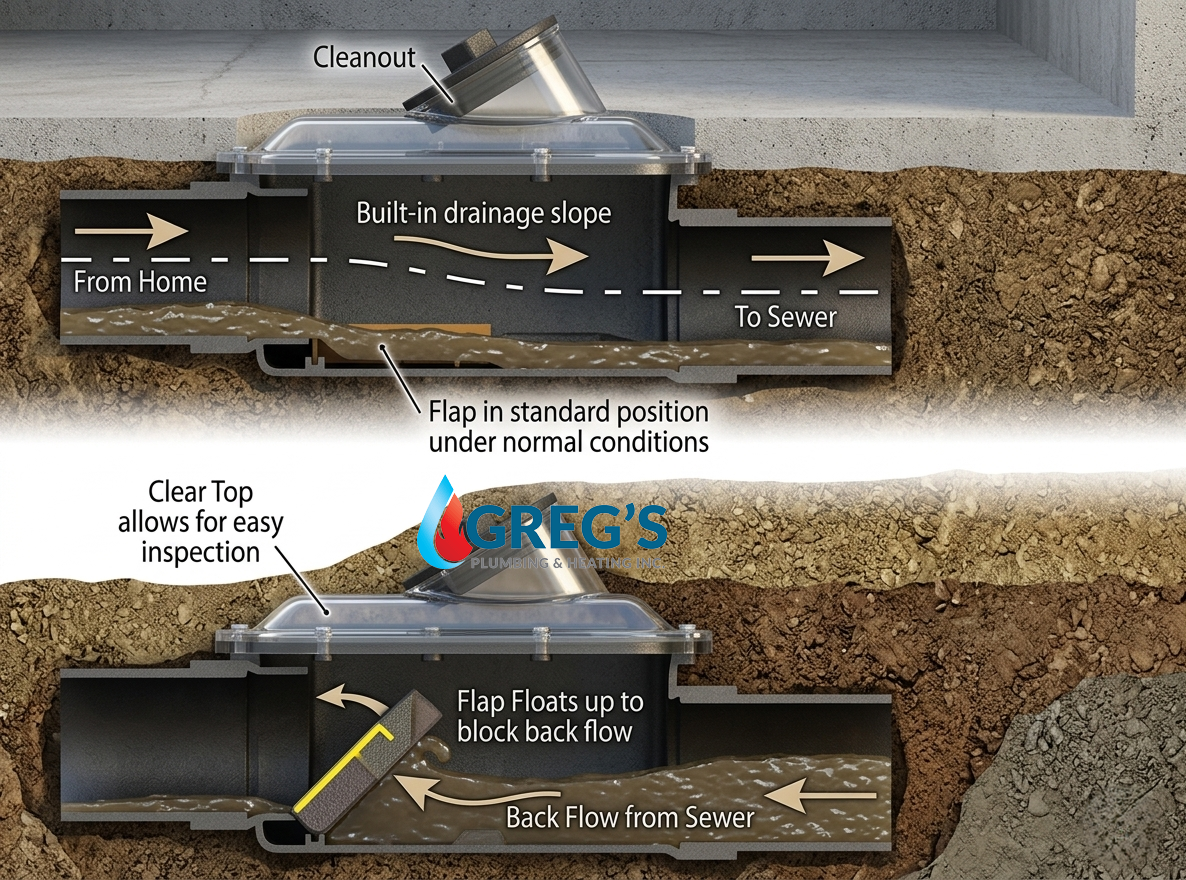
For most homes, the best practice is a full-port, normally-open backwater valve on the sanitary line so day-to-day flow isn’t restricted. “Normally open” means the flapper sits open during regular use and only closes when the street surges. This design reduces noise, avoids chronic slow-drain complaints, and passes lint and paper more reliably than smaller, spring-loaded checks.
Placement matters as much as type. In Hamilton basements, the valve is typically installed indoors under the slab with a flush, labelled access lid so you can inspect it in minutes. Interior placement keeps the mechanism out of frost zones and away from landscaping, which improves reliability and makes service cleaner.
Exterior installs are sometimes used when lines are hard to reach, but they need frost protection and a serviceable box you can actually open. We confirm the correct sanitary branch with a camera so your Backwater Valve in Hamilton protects the whole home—not just a single fixture. If the scope shows roots or scale upstream, we clear them first via Drain Cleaning and document everything on Sewer Backup Repairs.
Insurance & Resale: Documentation That Pays Off
Insurers increasingly want to see proof that a backwater valve was permitted, inspected, and maintained. After installation, you’ll have a tidy package: the permit and inspection sign-off, before/after photos, the valve make/model, and a camera report showing the sanitary line condition and exact valve location. That file can support premium discounts with some carriers and speeds up claims if a future storm overwhelms the municipal system.
Good records also help at resale. Buyers ask about prior water issues and the protection in place. Being able to show a recent camera video, maintenance notes, and an accessible, clearly labelled lid reassures them that the Backwater Valve in Hamilton was installed correctly and remains serviceable. If you’ve had repeat clogs in the past, pairing the valve with a clean, scoped line—and keeping that video on hand—answers the toughest due-diligence questions. When you’re ready to assemble or update your documentation, book a quick check through Contact / Book Online or review options on Hamilton Plumbers.
Ready to Protect Your Basement
A backwater valve is simple, proven protection against storm-driven sewer surges. Pair it with a clean, camera-verified sanitary line and you’ll cut the risk of messy, expensive backups—especially in older Hamilton neighbourhoods. If you’re weighing your options, we’ll confirm eligibility, handle permits and inspection, and submit the rebate package for you. Start with an eligibility check and site visit via Book Online, or learn how we diagnose and prevent backups on Sewer Backup Repairs.
FAQs: Backwater Valve in Hamilton
Do I need a backwater valve if I’ve never had a backup?
If your basement fixtures sit below street level or you’re in an area with combined sewers or heavy storm surges, a valve is smart prevention—even with no history yet. We confirm need with a camera locate and flow test first. See our Sewer Backup Repairs page for how we document risk.
Will a backwater valve stop backups caused by my own clogged line?
No. The valve blocks reverse flow from the street; it won’t fix roots, grease, or a collapsed section on your property. We clear and scope first (roots/scale/grease) via Drain Cleaning, then install the valve so it’s protecting a healthy line.
How long does installation take?
Most installs are completed in one day once the permit is active. Expect a camera locate, cut/open slab, valve and clean-out install, concrete restoration, commissioning, then a quick inspection visit. We aim for minimal fixture downtime.
What does a typical installation cost in Hamilton?
Standard installs land around $2,200–$3,200 installed; deeper or tighter access work can run $3,300–$4,800. Adding or relocating a clean-out is typically +$350–$850. We provide a written scope with ranges—no hourly surprises. If you’re collecting quotes, lock a time at Contact / Book Online.
Do townhouses or condos qualify for the Hamilton rebate?
Many single, semi, and townhome properties do, provided the unit ties into the municipal sanitary sewer and work is permitted and inspected. Condos vary by corporation rules and shared piping. We’ll review the layout with a camera and advise eligibility during the site visit.
Will a backwater valve restrict normal flow or make noise?
Installed to code with proper slope, the valve sits open under normal use and does not materially restrict flow. During a surge you may hear a brief flap as it closes—this is normal and temporary. We show you how to check operation through the access lid.
How often does a backwater valve need maintenance?
Do a quarterly visual check and schedule annual service. After big storms, lift the lid and look for grit around the flapper. Keeping the access clear and performing a simple wipe-down when needed ensures reliable closure.
Do you handle permits, inspection, and the rebate paperwork?
Yes. We manage the permit, coordinate inspection, take before/after photos, attach the camera report, and submit the City paperwork. You receive copies for insurance and resale.
Is a sump pump the same thing as a backwater valve?
No. A sump pump manages groundwater around your foundation; a backwater valve stops sewer surges from the street. Many Hamilton homes benefit from both, especially finished basements below grade. For surge prevention, start with Sewer Backup Repairs; for chronic groundwater, ask about sump and battery backup.
Hamilton homeowners can schedule same-day eligibility inspections across the city and nearby communities. If you’d like a licensed installer who also handles camera proof and rebate paperwork, book online or browse our Hamilton Plumbers overview for related services.


