
Quick answer
A basement floor drain backing up usually means water cannot flow out fast enough, often due to a clog in a branch line, a partial blockage in the main drain, or a sewer issue outside the home. A basement floor drain smell or basement floor drain odor is commonly a dry trap, buildup in the drain, or sewer gas getting past a failed seal. The steps below help you figure out which one you’re dealing with quickly, and what to do first.
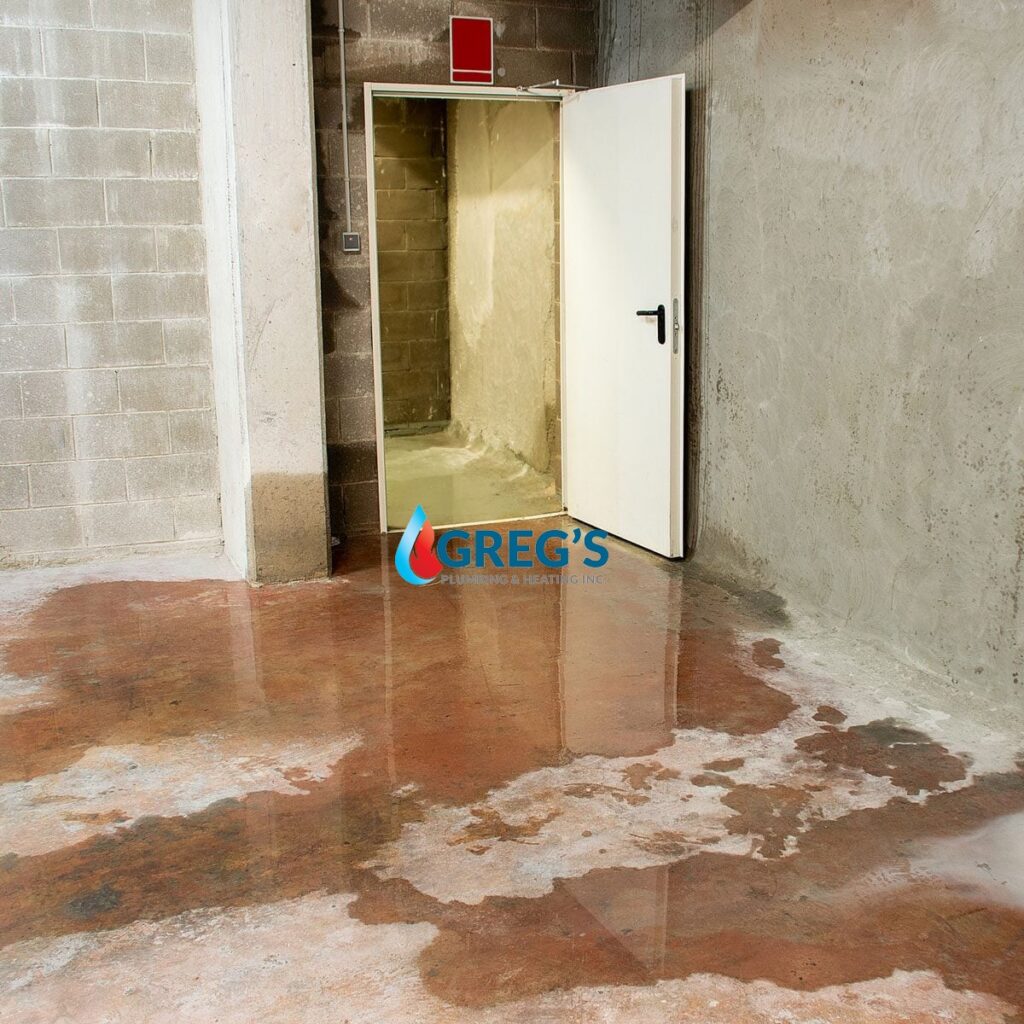
backup and smell are not the same problem
A basement floor drain backing up can feel like an emergency because it is happening at the lowest point of your home. Even if the water looks “clean,” it can quickly become a sewage risk if the blockage is in the main drain or sewer line. And when it is not backing up, a smelly floor drain in basement can be just as stressful, especially if it comes with that unmistakable sewer smell in basement.
The important thing is this: backup and smell are not the same problem. A smell-only issue is often a simple trap or buildup problem. A backup, especially if it happens when you run laundry or showers, can point to a partial restriction that is getting worse.
If you suspect sewage at any point, treat it as urgent and follow the “stop using water” steps below. For a fast homeowner-friendly emergency checklist, keep this handy: Sewer Backup Hamilton First Hour Checklist.
First, figure out which problem you have
Before you do anything else, get clear on the pattern. This one step prevents you from chasing the wrong cause and accidentally making a backup worse. If you’re unsure, Hamilton plumbers can quickly confirm whether you’re dealing with a simple trap issue, a branch clog, or a main drain or sewer restriction.
Backing up (water coming up from the floor drain)
This is when you see water rise at the basement floor drain, sometimes with debris, sometimes just cloudy water. It often happens during higher flow moments like showers, dishwashers, or the big one: floor drain in basement backing up when washing clothes.
If your basement drain pipe backing up happens only during certain activities, that trigger is a major clue.
Smell only (no water coming up)
This is when the drain is not overflowing, but you notice a basement floor drain smell, basement floor drain odor, or sewage-like smell near the drain. Many Hamilton basements have floor drains that rarely get water, which makes them more likely to dry out and let odours through.
Both backing up and smell
If you have both a basement drain backing up and odours, the odds go up that you are dealing with a partial main drain restriction or sewer issue that needs proper diagnosis and cleaning.
If you are already seeing more than one drain acting up, go straight to the service info for sewer backup repairs so you know what to do next and what not to do.
Quick 2 minute check
Do these quick checks before you run more water.
- Run a basement utility sink (or laundry tub) for 30 seconds and watch the floor drain.
- Flush one toilet and listen for gurgling in the basement or nearby drains.
- If laundry triggers it, note that clearly. Washer discharge is high-flow and often exposes partial blockages.
Write down what happens and when. “Only smells,” “backs up during laundry,” and “backs up when any fixture runs” are three very different diagnosis paths, and this saves time if you end up needing drain cleaning.
Common causes in Hamilton homes
1) Dry trap (most common for smells)
Most basement floor drains have a built in U-shaped trap that holds a small amount of water. That water acts like a plug to block sewer gas. When the trap dries out, odours can come straight up, which is why a basement floor drain smell or smelly floor drain in basement is so common in basements where the drain rarely sees water.
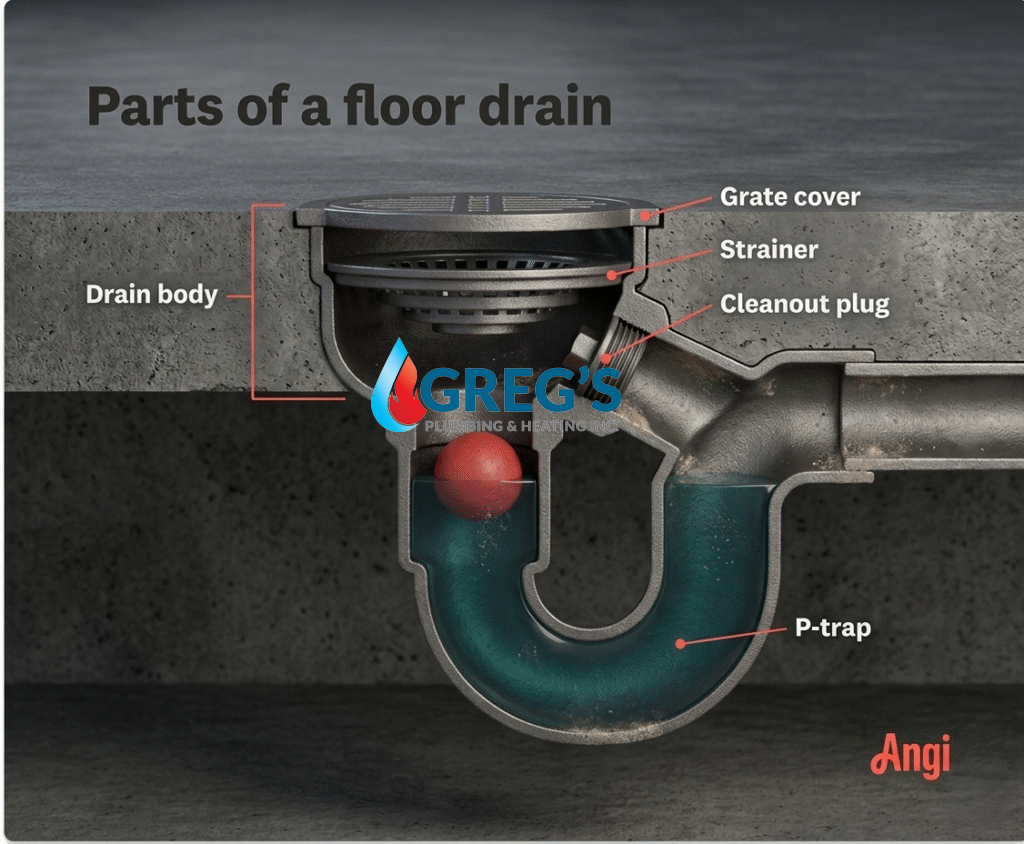
This is especially common in winter when indoor air is dry and the furnace runs more, and in basements that do not have a lot of regular water use.
What to do first
Slowly pour about 1 to 2 litres of water into the floor drain. Wait a few minutes and see if the odour improves.
If the smell disappears and then returns within a few days, the trap is probably drying out again or the drain has buildup that is holding odours.
Simple prevention tip
Top up the trap monthly if the drain is rarely used. If you want to do one extra step, add a small splash of mineral oil after the water. It can slow evaporation without harming the plumbing.
If you want a more structured approach to “is this just a smell or something bigger,” our drain cleaning in Hamilton guide is a helpful reference for what different symptoms usually mean.
2) Biofilm and sludge buildup (smell plus slow drain)
If the trap has water but you still have basement floor drain odor, the next common cause is buildup inside the drain and nearby piping.
Biofilm is the slimy layer that forms when soap residue, detergent, grease, lint, and organic material stick to the pipe walls. In basement drains, it is common because the drain is low, cool, and often gets small amounts of dirty water over time.

This buildup can cause:
- Musty or sewage-like odours
- A drain that looks clear but drains slowly
- A smell that gets worse when the furnace fan runs or after you run water nearby
Why Hamilton basements see this a lot
Laundry tubs, utility sinks, older branch lines, and infrequent use all contribute. Even when the floor drain is not backing up, the pipe can still be coated and smelly.
What to do first
Rinse the drain with a few litres of warm water, then monitor. If the smell returns quickly, or if the drain is slow and you have any backup symptoms, you are usually beyond a simple home rinse.
This is where professional drain cleaning makes sense because it actually removes the buildup rather than masking it.
If you are not sure how serious your situation is, use our Drain Clog Severity Checker. It helps you decide whether you are dealing with a minor maintenance issue or something that needs same-day service.
3) Partial clog in the branch line (backs up during use)
A basement floor drain clogged problem often starts as a partial clog in a branch line that feeds into your main drain. Hair, soap scum, grease, lint, and so called flushable wipes can narrow the pipe until it cannot keep up. When you run enough water, the lowest drain in the house is usually the first place it shows up.
This is why homeowners notice a basement floor drain backing up during showers, dishwasher cycles, or when someone is running water upstairs. The restriction is not always right at the floor drain. It is often a few feet downstream.
Common “Hamilton basement” triggers
- Utility sink or laundry tub draining slowly for weeks, then suddenly worse
- Gurgling sounds after a toilet flush
- Backup happens during normal use, not just heavy rain
If you suspect a clog and want the right service fast, this is the most relevant money page: clogged pipes and drains. It covers what is usually involved and what to expect when a drain is backing up.
If you suspect a leak, our same day leak locating and repair across Hamilton and nearby areas starts here.
4) Main drain or sewer line restriction (backs up in more than one place)
If the basement drain backing up is not the only symptom, your main drain or sewer line may be partially blocked. The big giveaway is that the basement floor drain reacts when you run water anywhere else.
You might see one or more of these:
- Floor drain backs up when you run a sink upstairs
- Toilet drains slowly or gurgles
- More than one drain is slow at the same time
- You get a sewer smell in basement along with occasional backup
In older areas, this can be from heavy buildup, a belly in the line, or issues outside the home. The key point is that a main line restriction usually needs proper diagnosis, not guessing.
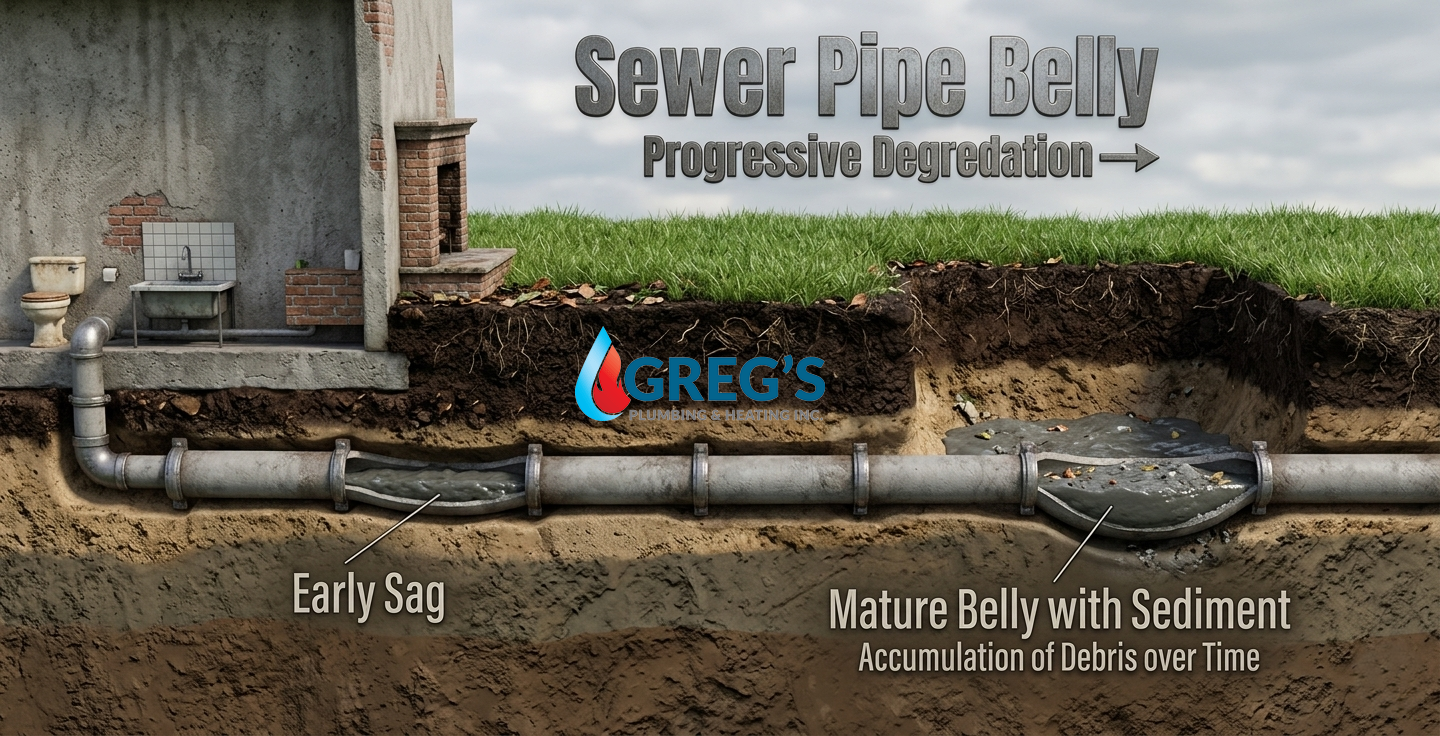
If this sounds like your situation, a camera inspection is often the fastest way to stop repeat backups. Here is the onsite diagnostic page that explains how that works: Onsite camera and diagnostic service.
For a practical homeowner explanation of the “why is this happening again” pattern, this blog is helpful: Why Your Drains Keep Clogging and How to Prevent It for Good.
5) Laundry discharge overload (backs up when washing clothes)
If your floor drain in basement backs up when washing clothes, treat that as a strong clue, not a coincidence. Washing machines dump water fast, and that surge can overwhelm a line that is already partially restricted.
This is especially common when lint and detergent residue build up over time. Even if you use a lint trap, fine fibres still get through. Combine that with soap scum and a slightly narrowed pipe, and the washer becomes the “stress test” that makes the problem visible.
What this often looks like
- Floor drain stays fine most days
- Backup happens only during the drain cycle or right after
- Utility sink may burp or gurgle when the washer drains
If the washer trigger is consistent, professional cleaning is usually the right move because it removes the restriction instead of hoping it clears. This is the service page to reference if you want to understand the approach: drain cleaning.
6) Tree roots or broken clay pipe (older neighbourhoods, recurring issues)
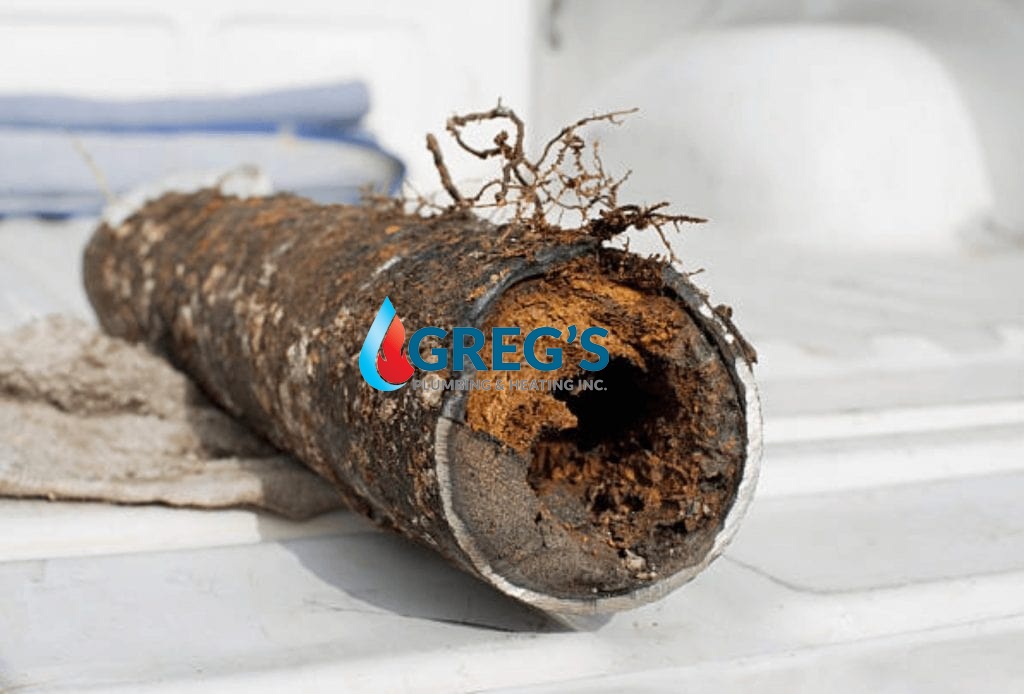
If your basement floor drain backing up keeps happening, especially after you have already had the line cleared once, the problem may be outside the house. In parts of Hamilton with older infrastructure, tree roots and aging clay or cast-iron sewer laterals can cause repeat restrictions.
Tree roots do not usually cause a one-time backup. They cause a pattern: things improve after clearing, then gradually worsen again as roots regrow and catch debris.
Clues that point to roots or a damaged line
- Backups are recurring (every few months, or seasonally)
- It gets worse after heavy rain, but also happens during normal use
- You notice gurgling or slow drains in more than one area
- Clearing helps temporarily, then the same issue returns
The most reliable way to confirm this is a camera inspection, then a plan based on what the camera shows. If you want a homeowner-friendly overview of how drain problems escalate and why “clearing” sometimes does not last, see Burst Pipe or Clogged Drain.
7) Sump pump discharge or downspouts misrouted (basement water confusion)
Not all basement water is a drain backup.
Sometimes homeowners think the basement floor drain backing up when it is actually groundwater, sump discharge problems, or downspouts dumping near the foundation. The reason this matters is the fix is totally different.
How to tell the difference fast
- If water appears during rain but drains are otherwise normal, it could be seepage or sump issues.
- If water comes up from the floor drain when you run a shower, sink, or washer, it is far more likely a drain restriction.
If your concern is “water in basement” but you are unsure if it is sewage or groundwater, treat it cautiously until you know. A quick professional assessment can prevent finishing materials from being ruined.
What to do right now
If the drain is actively backing up
Stop using water in the house immediately. That means no washer, no showers, no dishwasher, and avoid flushing if you can. Any water you send down drains can come right back up at the lowest point.
Keep kids and pets away from the area. If you suspect sewage, do not use a shop vac or try to push it through with more water. That spreads contamination and can make cleanup more expensive.
Take a few photos for documentation, especially if you have finished basement flooring, drywall, or stored items nearby.
If you want a step-by-step homeowner checklist you can follow in the moment, use the interactive Sewer Backup First Hour Checklist. It is designed for exactly this situation.
If it only smells (no water coming up)
Pour 1 to 2 litres of water into the drain to refill the trap. If the smell improves quickly, it was likely a dry trap.
If the odour returns within a day or two, you may have buildup, venting issues, or a restriction that is letting sewer gas linger. At that point, it is worth moving to diagnosis rather than masking the smell.
What not to do
Avoid chemical drain cleaners, especially if you suspect a backup beyond the floor drain. They can damage older piping, create dangerous splash risk, and complicate professional clearing.
Do not keep running water to “push it through.” If the line is restricted, you can flood the basement faster.
And do not snake blindly if you are not sure whether it is a local branch clog or the main line. If you hit the wrong spot or damage an older line, you can make the situation worse.
Conclusion
A basement floor drain backing up is your home’s way of telling you the drainage system is not keeping up, whether that’s a local branch clog, a main drain restriction, or an issue further out toward the sewer. A basement floor drain smell is often simpler (dry trap or buildup), but if odour and backup show up together, treat it as urgent and stop using water until you know what you’re dealing with.
If you have any sewage signs, repeated backups, or the drain backs up when you do laundry, it’s usually time for professional diagnosis and clearing. That’s exactly what we do every day for Hamilton homeowners, with drain cleaning, camera inspections, and sewer backup repairs when needed.
Need help now in Hamilton or nearby?
Greg’s Plumbing & Heating
69 Bigwin Rd Unit 1 Hamilton ON • 905-928-6831 • admin@gregsplumbing.ca
If you’ve had more than one backup, it’s also worth checking whether a backwater valve makes sense for your home. Start here
FAQ – Basement Floor Drain Backing Up
1) Why is my basement floor drain backing up?
Most often, water cannot exit fast enough because of a clog in a branch line, a partial blockage in the main drain, or a restriction in the sewer line. The lowest drain usually shows symptoms first.
2) Why does my basement floor drain back up when washing clothes?
Washing machines discharge a large volume quickly. If there’s a partial restriction (often lint, detergent residue, sludge), the washer becomes the trigger and the floor drain is where it shows up first.
3) What causes a basement floor drain to smell like sewage?
The most common cause is a dry trap (no water sitting in the drain’s trap to block sewer gas). If the trap has water and it still smells, buildup or a venting issue can be involved.
4) Can I pour bleach or vinegar down a basement floor drain?
For smell-only issues, topping up the trap with water is the first step. Vinegar can help with minor odours, but it won’t fix a clog or main-line restriction. If the drain is backing up, avoid DIY chemicals and focus on stopping water use and getting the line assessed.
5) Should I use drain cleaner for a basement floor drain clog?
No. Chemical drain cleaners can be hazardous, can damage older piping, and can make professional clearing more difficult (especially if sewage is present). If you have backup symptoms, stop using water and call.
6) How do I know if it’s the main sewer line?
If multiple fixtures are slow, you hear gurgling after flushing, or the floor drain backs up when you run water elsewhere (shower, sink, washer), that points toward a main drain or sewer restriction.
7) Will snaking fix a basement floor drain backup?
Sometimes, yes, if the clog is a focused blockage. If backups keep returning, a camera inspection and a more thorough cleaning method may be needed to address roots, heavy buildup, or pipe defects.
8) When do I need hydro jetting?
Hydro jetting is often recommended when there’s thick sludge, grease, heavy buildup, or recurring clogs that a standard snake only punches through temporarily. A camera inspection helps confirm whether jetting is appropriate.


