
Opening your water bill and seeing it double overnight is a shock. We hear it across Hamilton, Burlington, Ancaster, Dundas, Stoney Creek, Grimsby, Binbrook, Caledonia, and Niagara: “Why is my water bill so high all of a sudden?”
Most of the time it isn’t a city error, it’s something in your home. The good news: once you know the usual culprits, you can often find (and fix) the problem fast.
Quick sanity check: is the bill plausible?
Before assuming the city made a mistake, sanity-check your numbers: most homes use about 150–225 litres per person per day, and water bills are measured in cubic metres (m³) where 1 m³ = 1,000 litres. For a family of three using 150 L each per day, normal consumption is roughly 13.5 m³ over 30 days. If your bill shows a jump far above that baseline, you likely have a leak or a fixture/appliance stuck “on”.
Fast 10-minute test (no tools)
- Turn off all water in the home (taps, showers, dishwasher, washer, sprinklers).
- Check your water meter (usually in the basement or a utility box). Look for a low-flow/“leak” indicator or note the exact reading.
- Wait 10–15 minutes with no water running.
- Recheck the meter.

The Top Reasons for a Sudden High Water Bill
1. A Running Toilet
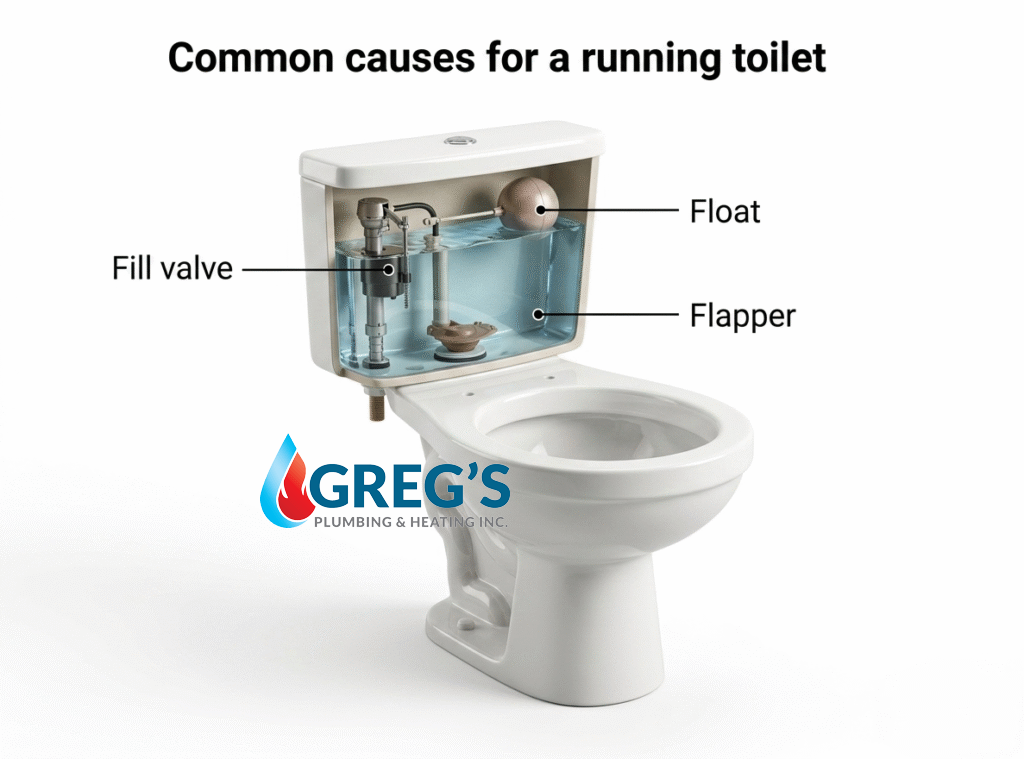
This is one of the most common causes. A worn-out flapper or faulty fill valve can waste up to 750 litres a day. That’s like leaving your tap on full blast without realizing it.
Check it: Put a few drops of food colouring in the tank. Don’t flush. If colour appears in the bowl within 10–15 minutes, water is leaking past the flapper.
Fix it: Replace the flapper, adjust/replace the fill valve, and ensure the water level is below the overflow tube.
2. Hidden Leaks
Leaky pipes behind walls, under floors, or underground can quietly drain your wallet. They don’t always leave visible damage, which makes professional leak detection so important.
Signs: Meter moves when everything is off, sound of water in walls, warm spots on floors, damp soil along the service line.
Fix it: Professional leak detection (acoustic/thermal/camera). Repair or reroute the line.
If you’ve also noticed the flow feels weaker at taps or in the shower, here’s a quick guide to troubleshoot low water pressure in your house before you call.
Stopping the water first reduces spread; here is the fast way to do it: how to shut off your main water valve.
3. Dripping Faucets & Fixtures
That “tiny drip” adds up fast. A single dripping faucet can waste 20+ gallons a day — and multiple drips multiply your bill quickly.
Check it: Place a cup under the spout or watch for steady drips after shut-off.
Fix it: Replace cartridges, washers, or the fixture if it’s corroded.
4. Hot water tank leaks or relief valve discharge
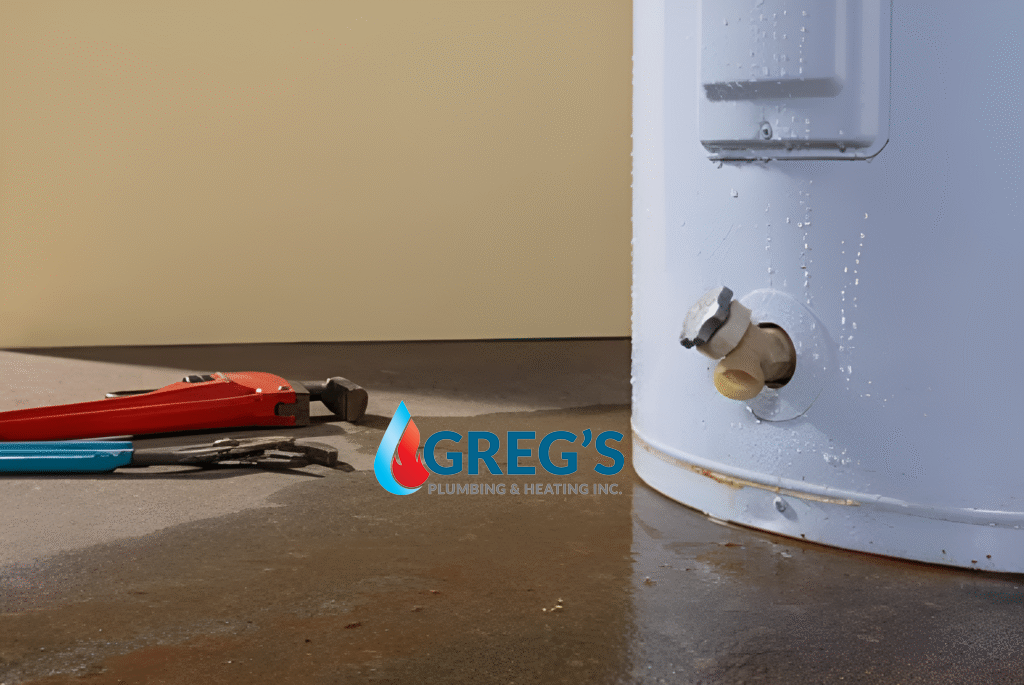
The temperature & pressure (T&P) relief valve often discharges into a drain where you won’t see it.
Check it: Look for a warm discharge pipe to a floor drain or sump. Inspect the tank base for moisture.
Fix it: Replace the relief valve, adjust temperature/pressure, or replace a rusted tank.
Review our guide to water heater repair or replace in Hamilton
5. Furnace humidifier or A/C condensate line issues
Bypass furnace humidifiers (common in Ontario homes) can stick open and run to drain 24/7.
Check it: Follow the small copper/plastic line near your furnace. If water is flowing when the humidifier is off-season or set low, it’s wasting water.
Fix it: Replace the saddle valve or humidifier pad/valve; turn off the water supply in summer.
6. Water softener stuck in regeneration
A faulty softener can regenerate constantly, sending water to drain for hours.
Check it: Listen for a constant flow to drain; check the display for frequent regen cycles.
Fix it: Service the valve head, update settings, or bypass the softener to test.
7. Outdoor Taps & Irrigation
A hose bib that’s not fully closed or a sprinkler system running too long can add unexpected costs. This is especially common in the summer months.
Check it: Inspect hose bibs, hoses, backflow/vacuum breaker, and irrigation zones. Watch the meter while the system is off.
Fix it: Replace worn washers/valves, re-program the controller, repair split lines.
8. Leaks on the service line (from the curb to the house)
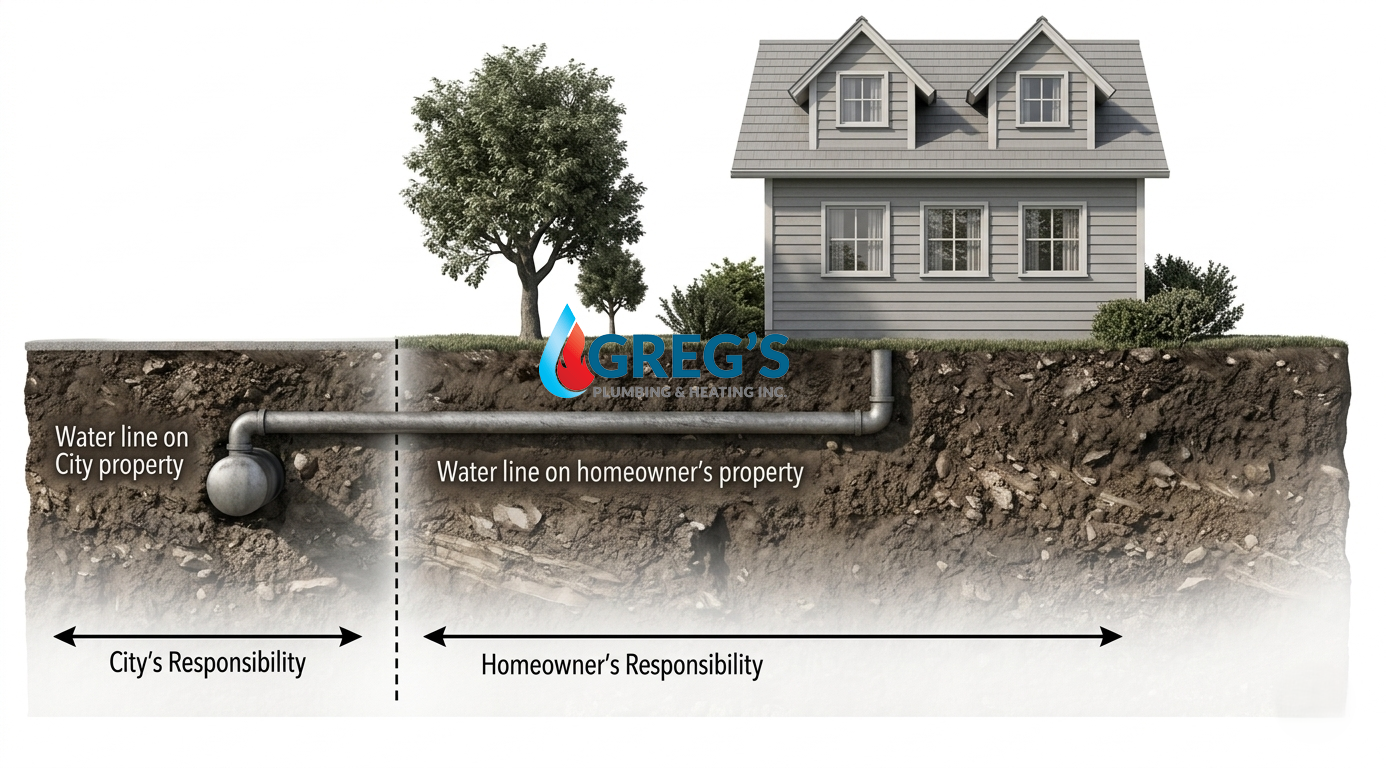
In older Hamilton-area homes, buried lines can corrode or shift.
Signs: Constant meter movement, wet/sunken patches, unusually green grass strips.
Fix it: Pressure test and locate the leak; repair or replace the service line.
How to isolate the problem room by room
Use this simple process to find which fixture or line is causing the spike.
Step 1: Set a baseline
- Turn off all taps and appliances that use water.
- Note the water meter reading and watch the small leak indicator for 60 seconds.
- If the indicator moves, continue. If it stays still, recheck later in the day.
Step 2: Check toilets first
- Close the shut-off valve under the toilet.
- Watch the meter for 60 seconds.
- If movement stops, that toilet is the issue. Rebuild the flapper and fill valve.
- If movement continues, reopen the valve and move on.
Step 3: Check sinks, tubs, and showers
- In each bathroom and the kitchen, close the small angle stop valves under the sink.
- For tubs and showers, look for access panels with stop valves. If none, skip to Step 4.
- After closing each set, watch the meter for 60 seconds.
- If it stops, the leak is in that fixture’s supply or mixing valve.
- If not, reopen and continue.
Step 4: Isolate appliances
- Turn off the water supply to the dishwasher, fridge water dispenser or ice maker, and washing machine.
- Watch the meter after each shut-off to see if movement stops.
- If it stops after one appliance, service or replace that valve or hose.
Step 5: Separate hot water from cold
- Close the cold water supply valve to the water heater.
- Wait 60 seconds at the meter.
- If the meter stops, the leak is on the hot water side somewhere in the home.
- If the meter keeps moving, the leak is on the cold side.
Step 6: Mechanical room checks
- Furnace humidifier: close its small water valve or switch it off and watch the meter.
- Water softener: put it in bypass and watch the meter.
- Boiler or hydronic heat: close the boiler make-up water valve. If the meter stops, the fill valve or system may be feeding continuously.
- Hot water tank: inspect for warm discharge at the temperature and pressure relief line.
Step 7: Outdoor and irrigation
- Close the main irrigation valve or each zone valve, plus all hose bibs.
- Walk the yard for damp patches or unusually green strips.
- Recheck the meter.
Step 8: Service line test
- Close your home’s main shut-off valve on the house side of the meter.
- Watch the meter for 60 seconds.
- If it still moves, the leak is likely between the meter and the curb stop or out in the yard. This needs professional attention and, in some cases, coordination with the city.
- If it stops, reopen the main and return to isolating individual fixtures.
Step 9: Document what you find
- Take photos of any moisture, drips, or corroded valves.
- Note which valve stopped the meter. This speeds up the repair and can save you money.
The City of Hamilton has also published a very informative guide: Residential Water Leak Detection Guide
When to Call a Plumber
If you can’t track down the problem, don’t ignore it. The longer a leak runs, the higher your bill climbs — and the more damage it can cause to your home.
Our licensed team at Greg’s Plumbing & Heating specializes in leak detection and repair. We’ll find the source, fix it fast, and help keep your next bill from giving you sticker shock.
- Serving Hamilton, Dundas, and Niagara
- 24/7 emergency plumbing service
- Honest, upfront pricing
Why Choose Greg’s Plumbing & Heating for Your Fall Plumbing Needs?
From drain cleaning in Hamilton to water heater service in Niagara, our licensed plumbers provide professional, friendly service with upfront pricing. We’ve been helping homeowners in Hamilton, Dundas, Ancaster, and Niagara prepare for winter for years — and we know how to prevent problems before they start.
Call us today to book your fall plumbing maintenance appointment and protect your home all season long.
FAQs: High Water Bill in Hamilton
A sudden spike is usually caused by a running toilet, hidden leaks, or dripping faucets. Outdoor irrigation and seasonal water use can also be the reason.
Yes. A single running toilet can waste hundreds of litres per day, driving your bill up dramatically.
Turn off all water and check your meter. If it’s still moving, water is escaping somewhere in your system.
It’s rare, but possible. Always check for leaks in your home first. If you don’t find any issues, contact your local water provider.
If you’ve checked toilets, faucets, and outdoor taps but can’t find the source — or if your meter still runs when everything is off — call a professional.
Yes — our licensed plumbers provide same-day leak repairs in Hamilton, Dundas, Ancaster, and Niagara.
Get in Touch
Whether it’s a one-time issue or a full system refresh, we’re here to help.
→ Contact Greg’s Plumbing Now for expert plumbing services in Hamilton and peace of mind that lasts.
Helpful Links:


