
Quick answer
Low water pressure in house problems usually come down to one of three things: a valve that is not fully open, a clogged fixture, or a system issue like a failing pressure reducing valve or buildup in older piping. First confirm whether the water pressure is low in house everywhere, in one bathroom, or only on the hot side, then use the checks below to narrow it down fast.
Problem at the worst time
Low water pressure at house is one of those problems that hits at the worst time. Showers take forever, the dishwasher feels weak, laundry cycles drag on, and busy mornings with kids get even harder when the water just will not keep up.
The good news is you can usually pinpoint the cause quickly, even if you cannot fix it yourself. Most “water pressure low in house” calls fall into a few patterns that are easy to sort out with basic checks.
The key is this: is the low water pressure in home happening everywhere, only at one fixture or one bathroom, or only on the hot side. That one detail tells you where to look and what is likely going on.
First, figure out what type of low pressure you have
Before you troubleshoot, get clear on the pattern. This one step saves a lot of time and helps you avoid tearing apart fixtures that are not the real issue. If you get stuck, a plumber in Hamilton can confirm the cause quickly with a pressure test and a few isolation checks.
Whole house
This is when every tap feels weak, and low shower pressure shows up in multiple bathrooms. If the kitchen sink, a bathroom faucet, and the shower are all underperforming, you are likely dealing with a main valve issue, a pressure reducing valve issue, a supply issue, or a broader piping restriction.
A whole home issue is also the scenario people describe as “sudden low water pressure” when it changes overnight.
One fixture or one room
This is when the rest of the house seems normal, but one faucet or shower is struggling. Common examples are a bathroom sink that trickles, or low shower pressure in just one shower.
If you are seeing low water pressure in one bathroom, that is an important clue. It often points to a partially closed shutoff under the sink, a clogged aerator or showerhead, or a local issue in that bathroom’s supply piping.
Hot side only
If cold water is fine but hot water pressure low shows up everywhere, that points you toward the water heater and the hot water piping. Homeowners often describe this as hot water pressure low hot side only, and it is one of the most useful clues you can give a plumber.
It can also show up as low hot water pressure at one or two fixtures if there is a mixing valve, a clogged heat trap, or a restriction on a specific hot line.
Quick 2 minute test you can do right now
Try this in order, without changing anything else in the house.
| Test point | Cold water result | Hot water result | What it suggests |
|---|---|---|---|
| Kitchen faucet | Strong or weak | Strong or weak | Good “baseline” fixture |
| Bathroom faucet (different room) | Strong or weak | Strong or weak | Helps confirm whole house vs one area |
| Shower | Strong or weak | Strong or weak | Confirms low shower pressure pattern |
| Note the timing | Sudden or gradual | Sudden or gradual | Sudden often points to a valve or PRV issue |
Now write down two notes:
- whether the pressure drop was sudden or gradual,
- and whether the problem is whole house, one bathroom, or hot side only.
Those two details will make the next checks faster and a lot more accurate.
7 quick checks before you call
1) Check the main shutoff and any “half closed” valves
This is the fastest win, and it causes more “low water pressure in home” headaches than most people expect.
Where to look in a Hamilton home
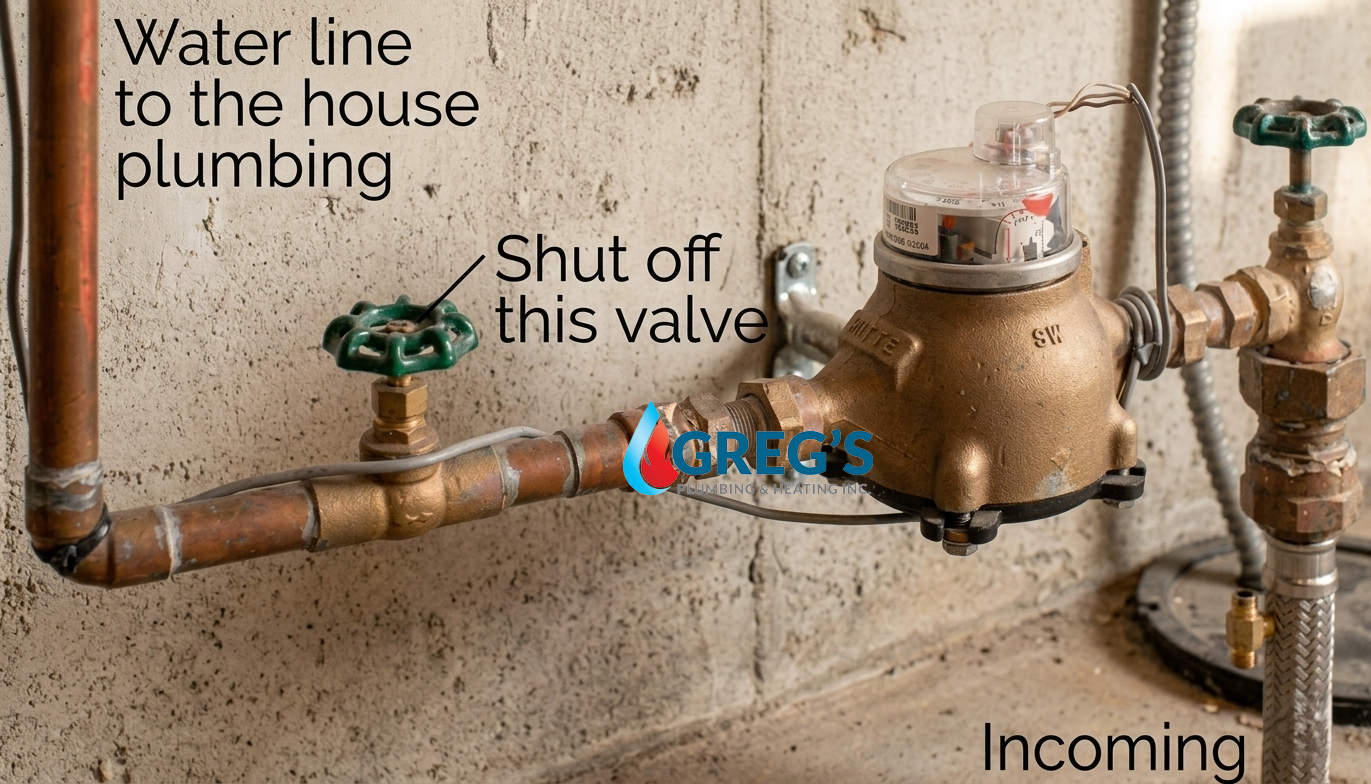
- Main shutoff is usually on the water line where it enters the basement, often close to the front wall. Learn How to Shut Off Your Main Water Valve in Hamilton
- Many homes also have a secondary shutoff near the water meter (sometimes the same area, sometimes a bit downstream).
- If you have had any recent work done (water heater, laundry hookups, basement reno), a valve may have been turned and not fully opened again.
What you want to see
- A ball valve (lever handle): the handle should be parallel to the pipe when fully open.
- A gate valve (round wheel): it should be turned fully open, but don’t force it if it feels stuck. Older gate valves can fail when pushed too hard.
Quick tell
If your water pressure low in house issue started right after a repair or renovation, a partially closed valve is a top suspect.
Safety note
If any valve looks corroded, leaks when touched, or feels like it will not move smoothly, stop. Forcing it can turn a low pressure problem into an active leak.
2) Check the pressure reducing valve (PRV) if you have one
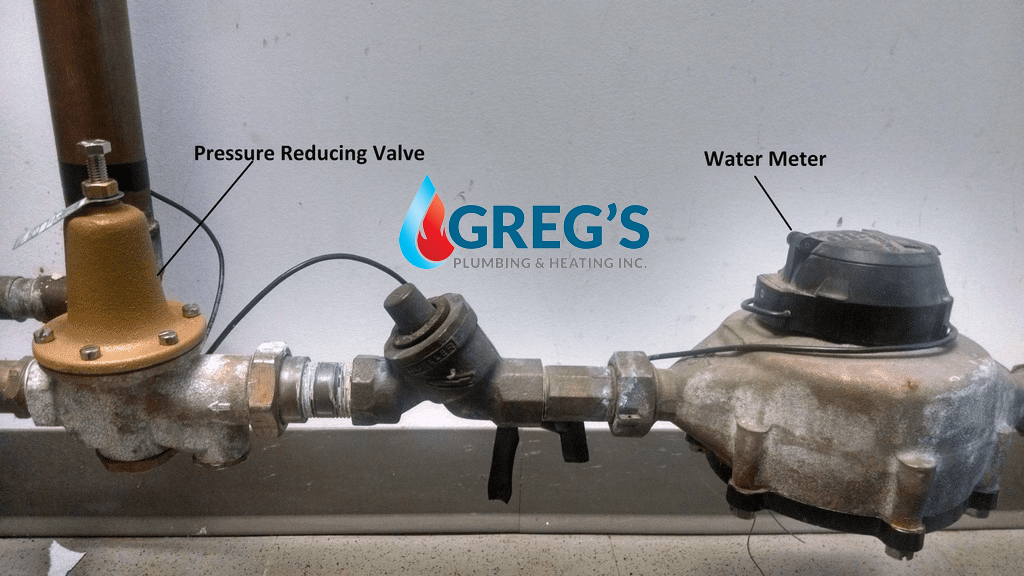
Many Hamilton homes have a pressure reducing valve (also called a PRV) installed on the main line. Its job is simple: it keeps incoming city pressure at a safe, steady level for your plumbing fixtures and appliances.
When a PRV starts failing, homeowners often report:
- Sudden low water pressure across the whole house
- Pressure that surges then drops
- Shower pressure that changes when another tap is used
- New noises near the main line (hissing, humming, rattling)
What a PRV looks like
Usually a bell-shaped or barrel-shaped device on the main water line after the shutoff, sometimes with a small adjustment bolt on top.
What you can do safely
If your home has a hose bib or laundry sink, you can do a quick “real world” check:
- Turn on a tap and note how it feels.
- Then flush a toilet or run another tap.
- If the pressure drops dramatically and does not recover smoothly, the PRV is a strong suspect.
Don’t adjust it unless you know what you’re doing
Yes, PRVs can often be adjusted, but turning them the wrong way can create too much pressure, which can shorten fixture life and increase leak risk. If you suspect PRV trouble, it’s usually smarter to have it tested properly and replaced if needed.
Helpful reference numbers for Ontario homes
- Many homes run comfortably around 40 to 60 psi
- Consistently below 35 psi often feels weak in showers and multi-fixture use
- Above 80 psi is generally considered too high and can cause problems over time
If your low water pressure at house issue is whole-house and came on suddenly, check 1 and 2 first. They are the quickest way to rule out the “big lever” causes before you start taking apart fixtures.
3) If it’s one fixture, clean the aerator or showerhead
When low water pressure in house is limited to one sink or one shower, the fix is often right at the end of the fixture. In Hamilton homes, tiny screens in aerators and showerheads can plug up with grit after street watermain work, or slowly clog with mineral scale over time.
Start with the simplest test: compare that weak fixture to a different faucet in the house. If the rest are normal, you’re dealing with a local restriction.
Faucet aerator (sink) quick clean
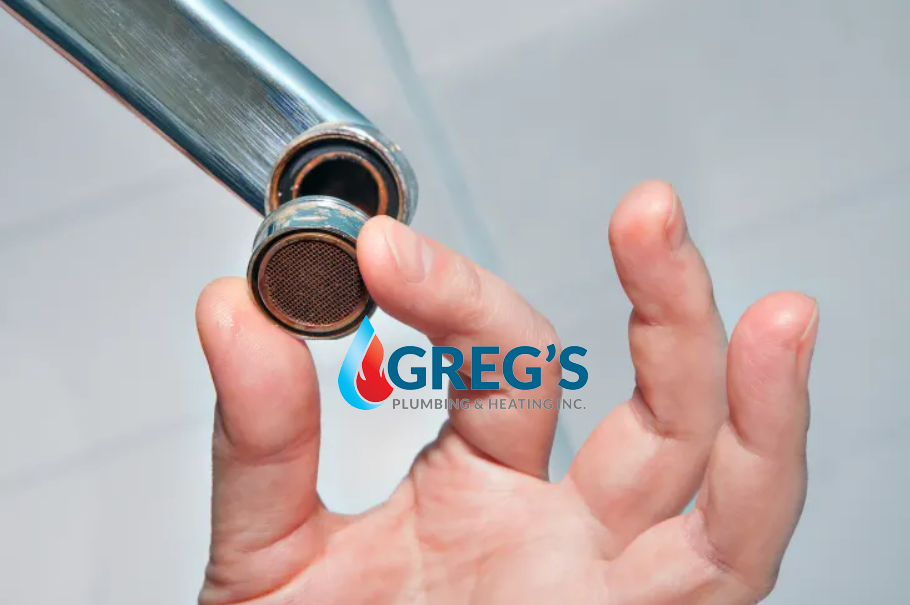
Unscrew the aerator at the tip of the faucet. Rinse the screen and parts under running water, then reassemble and test. If you see white crusty buildup, soak the aerator parts in white vinegar for 30 to 60 minutes, rinse again, and reinstall.
If the faucet is older, the screen can collapse or deform. In that case, replacing the aerator is often faster than trying to rescue it.
Showerhead quick clean for low shower pressure
Remove the showerhead and check the inlet screen for sand or flakes. A vinegar soak helps with scale. Once reinstalled, run the shower for a minute to flush anything loose.
If you keep re clogging screens or you notice damp spots under a sink or behind a toilet at the same time, you may be dealing with a small leak or corrosion related restriction, not just a dirty screen. This is where a quick check of our leak repair page can help you spot the usual warning signs before it turns into water damage.
If you try this and the fixture is still weak, move to the next check. If the pressure problem spreads beyond one fixture, skip ahead and treat it like a whole house issue.
4) If it’s one bathroom, check the angle stops under the sink and toilet
If you have low water pressure in one bathroom, the most common “simple” cause is a valve that’s only partly open. These are called angle stops: the small shutoffs under sinks and behind toilets. They can get bumped during cleaning, storage, or a recent repair, and the result feels exactly like water pressure low in house even though it’s only that room.
Go into the affected bathroom and test the sink cold, sink hot, and the shower or tub. If they’re all weak in that room but other bathrooms are fine, focus on the shutoffs and that bathroom’s supply lines.
Under the sink
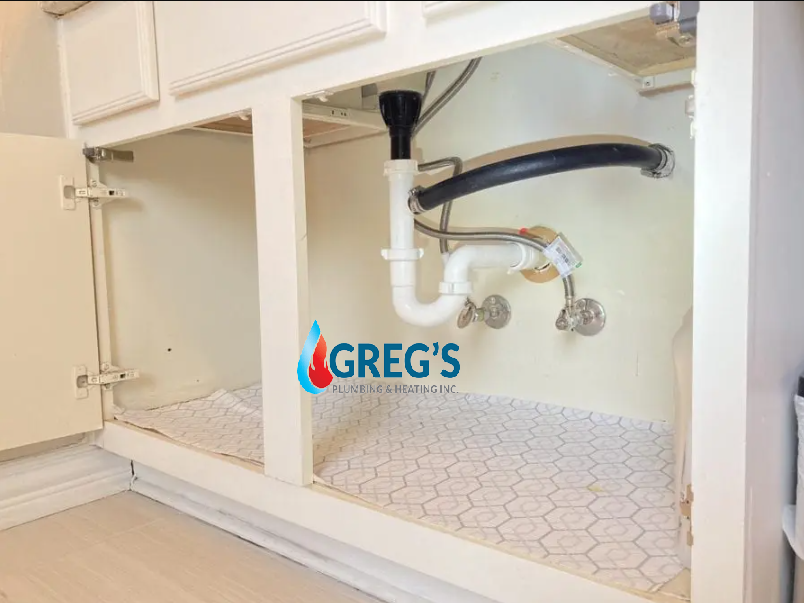
Look for two shutoff valves (hot and cold). They should be fully open. If the valve is stiff, corroded, or starts dripping when you touch it, stop and leave it alone. Older shutoffs can fail when forced, and then you’ve got a leak on your hands.
Behind the toilet
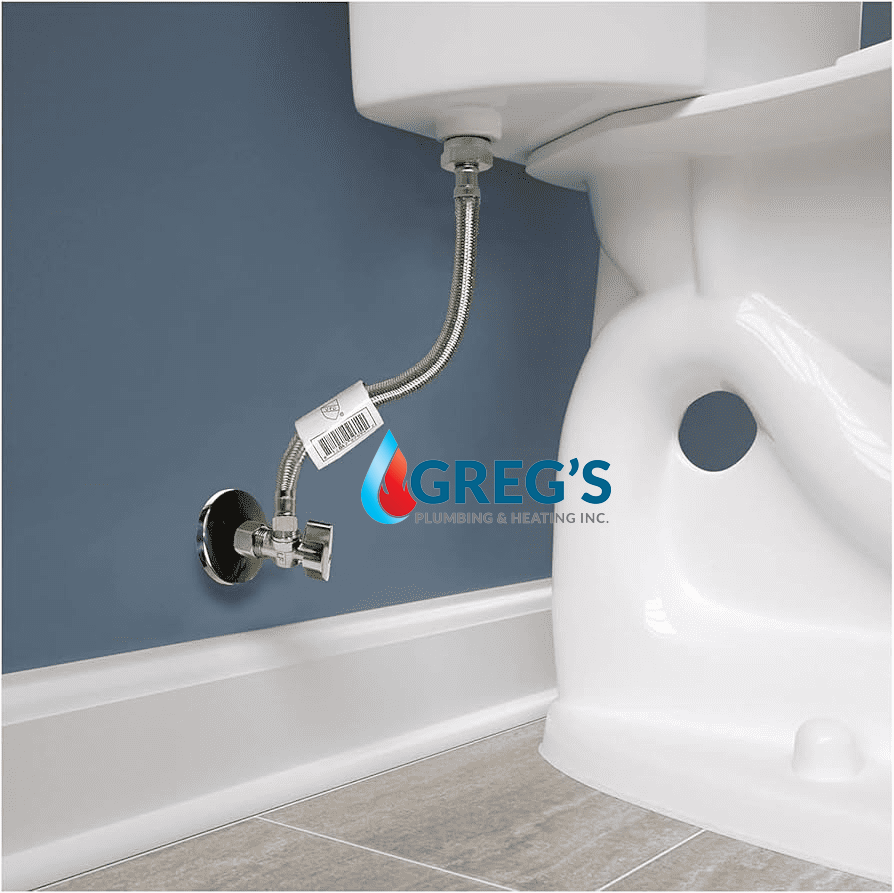
A toilet that refills slowly, hisses, or takes a long time to recover after flushing can be a clue that the toilet shutoff isn’t fully open or the fill valve has debris inside it. If you’re seeing toilet symptoms alongside the pressure issue, our toilet repair services page covers the common causes and what typically needs replacing.
Sometimes the angle stop looks open but is failing internally, especially in older homes. If you’ve confirmed the valves are open and the bathroom still has weak flow, you’re likely dealing with a restriction in that branch line or a fixture supply issue that needs proper troubleshooting.
If any of these checks turn into an active leak or you’re not comfortable touching older valves, treat it as urgent and call it in. This is exactly the kind of problem our emergency plumbing team handles quickly in Hamilton and the surrounding areas.
5) If hot pressure is low, suspect the water heater or a hot side restriction
When hot water pressure low (hot side only) shows up but cold is fine, that is a big clue. It usually means there is a restriction somewhere on the hot side, or something at the water heater is limiting flow.
Start with a quick pattern check:
- Hot is weak at every faucet and shower: more likely a heater-side restriction (heat traps, mixing valve, tankless inlet screen, partially closed valve on the hot outlet).
- Hot is weak at one fixture only: more likely that fixture’s cartridge, a local shutoff, or a mixing valve issue at that point.
Common causes we see in Hamilton homes
Sediment and scale in the tank (tank water heater)
Over time, mineral buildup can contribute to rumbling or popping sounds and sometimes restrict hot-side flow, especially if there are older fittings and valves involved.
Heat trap nipples or a partially blocked hot outlet
Some tanks have heat traps that can clog. It can feel like “hot water pressure low” everywhere, but cold remains strong.
Mixing valve or tempering valve restriction
If your home has a mixing valve (common with some setups), debris can partially block it and reduce hot flow.
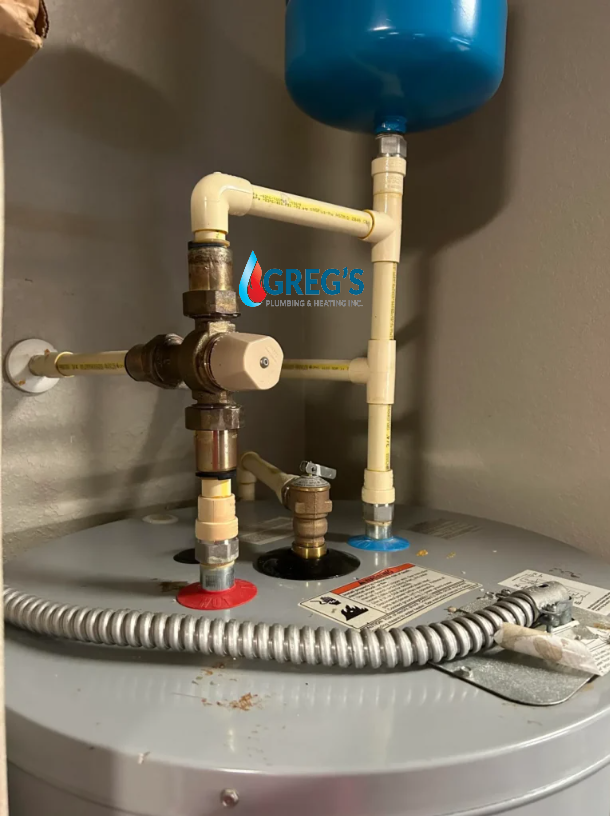
Tankless water heater inlet screen or filter
Tankless units often have a small inlet screen that needs periodic cleaning. When it plugs, you can get low hot water pressure during demand.
Symptom clues you can write down (helps diagnose faster)
| What you notice | What it often points to |
|---|---|
| Hot weak everywhere, cold normal | Hot-side restriction near heater or PRV/valve on hot side |
| Hot weak + rumbling or popping at tank | Sediment buildup, maintenance overdue |
| Hot weak only in one shower | Shower cartridge or mixing valve at that fixture |
| Hot starts strong then drops | Tankless flow restriction, scaling, or valve issue |
If you are stuck at the “hot side only” pattern, these two internal resources help you decide the next move: our water heater repairs service page (what we check first) and the homeowner guide Water Heater Repair or Replace in Hamilton (how symptoms map to the right fix). If you want a fast recommendation based on age and symptoms, use the Water Heater Repair Replace Calculator.
6) Look for hidden leaks or a running toilet
A leak does not always show up as a puddle. Sometimes it shows up as “everything feels weaker than usual” during peak use, especially when multiple fixtures run at the same time. A constantly running toilet can also steal a surprising amount of flow in the background.
Fast, safe check using your water meter
Pick a time when nobody is using water.
- Turn off all taps, dishwasher, washing machine, and do not flush.
- Watch the water meter for 1 to 2 minutes.
- If the meter dial (or digital flow indicator) keeps moving, you likely have an active leak or a running fixture.
In real homes, even a small toilet leak can waste hundreds of litres per day, which can show up as a pressure complaint during busy mornings and an unexpectedly high bill.
Signs you might be leaking (even if you cannot see it)
- A sudden jump in your water bill
- Damp smells near a vanity or basement ceiling
- Warm spots on a floor (hot line leak)
- You hear water running when everything is “off”
- Toilets that refill on their own
If your first clue is the bill, this homeowner read is useful: High Water Bill in Hamilton. If you want a guided “what should I check first” flow, use our Leak Triage and Water Pressure Checker. And if you are not sure where your main shutoff is before you start testing anything, bookmark How to Shut Off Your Main Water Valve in Hamilton.
7) Older homes: mineral buildup or undersized or aging piping
If your home is older, “low water pressure in home” can be less about one bad fixture and more about the pipes themselves.
In many Hamilton neighbourhoods, we still run into older materials and mixed upgrades over the years. One common issue is aging metal piping that narrows on the inside as it corrodes and collects mineral buildup. Think of it like cholesterol in an artery: the pipe might look fine outside, but the usable opening gets smaller over time, so the water pressure low in house feeling gets worse year by year.
What this usually looks like in real life
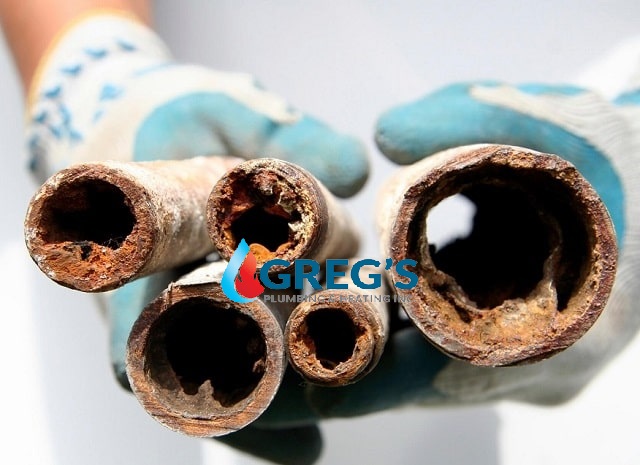
This pattern is typically gradual, not sudden.
You might notice showers are weaker than they used to be, and it gets noticeably worse when more than one person uses water at once (laundry plus shower, dishwasher plus a bathroom sink).
Sometimes it shows up as “everything is okay until peak demand,” then the house feels weak.
Quick clues that point to pipe restriction
| Clue | What it often means |
|---|---|
| Pressure slowly declined over months or years | Buildup or corrosion narrowing older pipes |
| Worse when multiple fixtures run | Undersized or restricted piping cannot keep up with demand |
| One area of the house is consistently weaker | Restriction in a branch line feeding that section |
| Fixtures clog more often with grit or flakes | Old piping shedding debris internally |
What the fix usually is (and what not to do)
When the restriction is in the piping, cleaning aerators helps symptoms but does not solve the root cause. The best fixes tend to be targeted, not “rip everything out.”
A plumber will typically confirm incoming pressure, then isolate where flow drops off, and recommend the smallest, smartest replacement plan first. That might mean replacing a short problem section, upgrading a key run feeding a bathroom group, or addressing old galvanized sections that are choking flow.
If you want to see what this looks like in Hamilton homes, these reads help:
- Galvanized Pipes in Hamilton (why pressure drops happen as pipes age)
- 5 Signs You Need Pipe Replacement (how to tell restriction vs a simple repair)
- Plumbing Inspections in Hamilton and Niagara (what gets checked when pressure issues keep coming back)
“Call now” situations
Most low pressure problems are fixable, but there are a few situations where waiting is a bad idea, especially if the change was sudden.
Sudden major drop across the whole house
If you go from normal to barely any flow everywhere, treat it as urgent. A main valve, PRV, service line issue, or a serious leak can cause a sudden low water pressure event.
Any sign of active leaking or water where it should not be
If you see water on the floor near the water heater, under a sink, or in the basement, do not keep testing. Shut off water if you can and get help. Even a small drip can turn into major damage fast.
A good “what to do first” reference if you are unsure is our Plumbing Repairs page, which lays out the most common urgent scenarios we respond to.
You smell gas near a gas water heater or mechanical room
Leave the area and call your gas provider or emergency services. Do not try to troubleshoot it yourself.
If you need a plumber for gas piping work or safety upgrades (not emergency response), here is our Gas Pipe Installation page.
PRV suspected failure with pressure swings
If pressure is surging then dropping, or fixtures start behaving unpredictably, that can point to PRV trouble. Pressure swings are hard on appliances and can increase leak risk.
Low pressure plus sewer smell or any drain backup signs
Low pressure combined with sewer odours, gurgling, or slow drains can be a bigger system issue, especially if multiple fixtures are affected.
If you are seeing any backup symptoms, start here:
If you want, paste what you found from the “2 minute test” (whole house vs one bathroom vs hot side only, and sudden vs gradual) and I’ll tailor the next sections so the troubleshooting flow stays tight and homeowner friendly.
For professional drain cleaning in Hamilton area (and when a camera inspection makes sense), start here.
FAQ – Low water pressure in hamilton
1) What is normal water pressure in a house in Ontario
Most Ontario homes run best around 40 to 60 psi. Below about 35 psi often feels weak, especially in showers and when two fixtures run at once. Consistently above 80 psi is usually too high and can stress plumbing parts.
2) Why is my water pressure low in house all of a sudden
Sudden low water pressure usually points to something that changed quickly, like a partially closed main shutoff, a failing pressure reducing valve, or debris after watermain work that clogged aerators and showerheads. If it is sudden and affects the whole house, check valves first.
3) Why is my water pressure low in only one bathroom
Low water pressure in one bathroom is commonly caused by a half-closed angle stop under the sink or behind the toilet, a clogged aerator or showerhead, or a restriction in that bathroom’s supply line. Compare that bathroom to a faucet in another room to confirm it is local.
4) Why is my hot water pressure low but cold is fine
When hot water pressure is low but cold is normal, it usually means a hot-side restriction near the water heater, a clogged mixing valve, or a maintenance issue on a tankless inlet screen or filter. If the hot side is weak at every fixture, the issue is often closer to the heater than the fixtures.
5) Can a water heater cause low hot water pressure
Yes. A tank water heater can contribute if hot-side fittings or valves clog with sediment or scale. Tankless systems can cause low hot water pressure if the inlet screen or filter is blocked or scaling is restricting flow.
6) Can a running toilet cause low water pressure in home
It can make things feel worse during busy times. A running toilet continuously draws water, so when someone showers or uses another tap, the available flow drops and low shower pressure is more noticeable. It can also drive up your water bill, which is a common clue.
7) Do I need a plumber for low water pressure at house
If cleaning aerators and confirming valves does not fix it, or if the problem is whole house, hot side only, or sudden, it is smart to call a plumber. You should also call right away if you see active leaking, pressure swings, or any signs of sewer backup.


