
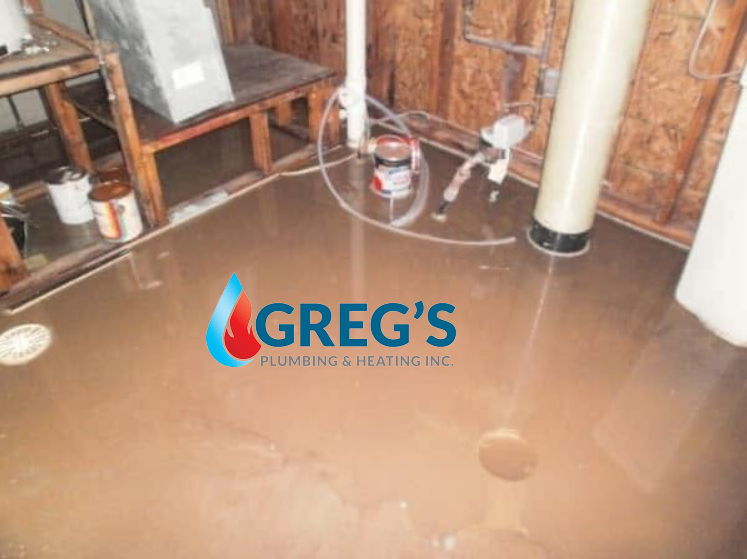
When a Sewer Backup in Hamilton hits, the first hour sets the tone for safety, damage control, and how fast you’re back to normal. This guide cuts the panic with a clear, homeowner-friendly plan: what to shut off, how to keep people and pets safe, where to check (floor drain and main cleanout), and the simple rule for who to call—the City during or after rain vs a licensed plumber when it’s only your home. You’ll also see the fixes that prevent repeat events (permit-approved backwater valves, camera inspections, and maintenance) plus what to document for insurance so nothing gets missed.
TL;DR (If water is rising, do this now)
- Stop all water use (toilets, laundry, showers, dishwasher).
- Keep people and pets out of contaminated water; shut off power to affected basement circuits only if you can reach a dry panel safely.
- If sewage is coming up a floor drain or basement fixtures during/after rain, call the City of Hamilton at 905-546-2489 to report and get guidance.
- If only your home is affected (no rain event, isolated blockage), call a licensed plumber for mainline inspection/clearing.
- Photograph damage, move valuables to dry storage, and begin sanitary cleanup once the source is stopped.
- Use our interactive First-Hour Sewer Backup Tool to guide you step by step, trigger quick calls, and save notes for insurance. Open the tool.
Need help right now? Book emergency service online or call 905-928-6831.
The First 60 Minutes — Step-by-Step How-To
When sewage shows up in a basement, speed and sequence matter. Use this section as your action plan: follow the steps in order, keep everyone out of contaminated areas, and decide City vs plumber quickly.
0–10 minutes — Safety first
- Stop all water use (toilets, sinks, showers, laundry, dishwasher). If sewage is still entering, shut the main valve using our guide to how to shut off your main water valve in Hamilton. This will not stop a city main surcharge, but it prevents your fixtures from feeding more water into the system while you stabilise the area.
- Keep people and pets out of the affected area. Put on rubber boots, gloves, and a mask/respirator if you have one.
- Shut off power to wet areas at the breaker only if you can reach a dry electrical panel safely. If water touched the water heater or boiler, do not restore power or relight until it is checked; review our guide to water heater repair or replace in Hamilton
- Close floor registers or block them so HVAC doesn’t pull contaminated air.
Tip: If water is still rising or you can’t control the source, book our Emergency Plumbing team now—same-day, Hamilton-area service.
Example: If you see water pushing up through a basement floor drain, a flush upstairs or running the washer will make it worse. Stopping all water use buys you time.
10–20 minutes — Quick triage
- Find the entry point: floor drain, basement shower, laundry standpipe, or toilet base.
- Check pattern:
- Multiple fixtures slow/backing up → likely a mainline problem.
- Only one fixture → likely a local clog.
- Note the conditions: Was there heavy rain today? Is it only your home or are neighbours affected?
Tip: Snap 3–5 photos (source, water line on walls, and any damaged items). This helps your insurer and speeds decisions.
20–30 minutes — Check the cleanout (pressure relief)
- Locate the main cleanout (often a capped pipe near the front foundation wall or in the floor).
- Stand clear, loosen the cap slowly to relieve pressure; expect possible flow. Retighten if flow increases.
- If you can’t find the cleanout or the cap is seized, don’t force it—you can crack piping.
When in doubt: Call for sewer-backup diagnosis and clearing. We’ll camera-inspect, find defects fast, and clear roots/grease safely.
30–40 minutes — Who to call (decision point)
- During or right after heavy rain and sewage is emerging from basement drains/fixtures → Call the City (905-546-2489) to report and get guidance.
- No rain event and it’s only your property affected → Call a licensed plumber for mainline inspection and clearing.
Tip: While you’re on the phone, keep another person watching the entry point to report changes (rising vs receding).
40–60 minutes — Stabilise & document
- Move valuables and dry storage off the floor onto shelves/totes.
- Isolate contaminated items (porous materials like carpets, boxes, drywall).
- Ventilate the area if safe (window + fan exhausting to outdoors, not into living spaces).
- Create a quick inventory (photos + a notes app) and save all receipts for mitigation and service calls.
- Arrange professional cleanup if sewage contacted porous materials—Category 3 work needs proper PPE, disposal, and drying.
First-Hour Timeline (quick glance)
| Minute mark | Do this | Why it matters |
|---|---|---|
| 0–10 | Stop all water, keep out, cut power to wet zones safely | Prevents surges and electrical hazards |
| 10–20 | Identify entry point; determine pattern | Distinguishes mainline vs local clog |
| 20–30 | Locate cleanout; carefully relieve pressure | Can stop active surcharge and reduce damage |
| 30–40 | Decide City vs plumber | Gets the right crew moving quickly |
| 40–60 | Protect valuables; document; plan cleanup | Supports insurance and speeds restoration |
Use our interactive First-Hour Sewer Backup Tool to guide you step by step, trigger quick calls, and save notes for insurance. Open the tool.
Common Causes in Hamilton (what your plumber will check)
Hamilton’s housing mix includes many older neighbourhoods with clay laterals and mature trees. Great for character, not so great for drains. Here’s what we most often find on service calls:
1) Heavy rain overloading the system
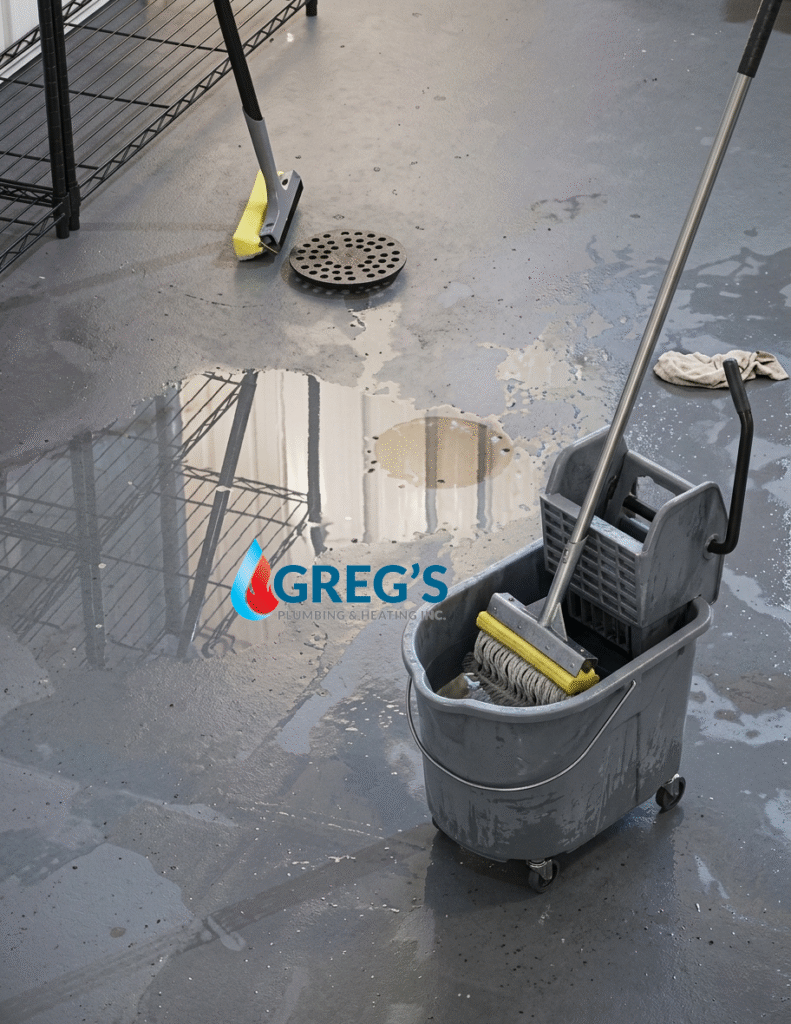
- What you see: sewage or grey water rising from a floor drain or low basement fixtures during or right after a storm.
- Why it happens: the main line is under stress and your private lateral can’t discharge fast enough.
- What we do: verify if it’s an active surcharge, pause house water use, and set up camera inspection once levels recede to confirm private-side condition.
2) Tree roots in older clay laterals
- What you see: slow drains building over weeks, gurgling, occasional paper “hang-ups,” and backups after laundry or long showers.
- Why it happens: roots exploit tiny joint gaps, creating a “root net” that catches debris.
- What we do: mechanical root cutting or hydro-jetting, then video the pipe to assess joint displacement or cracks and set a maintenance cadence.
3) Grease, wipes, and foreign objects
- What you see: frequent clogs, especially after big cooking days; backups start at the lowest fixture.
- Why it happens: fats/oils/grease solidify; “flushable” wipes don’t break down like toilet paper.
- What we do: jet the line to restore full diameter, confirm with camera, and leave a do/don’t list for the household.
4) Collapsed, bellied, or offset laterals
- What you see: recurring backups in the same spot; camera shows standing water (“belly”) or a sharp edge where the pipe has shifted.
- Why it happens: age, soil movement, improper bedding, or past digs.
- What we do: locate and mark the defect, provide a spot repair or sectional replacement quote, and discuss backwater valve as added protection.
5) Venting or cross-connection issues (less common)
- What you see: strong sewer odours, slow re-drain after plunging, fixtures pulling air from others.
- What we do: verify vent integrity, test traps, and inspect tie-ins on renovations.
Quick Symptom-to-Action Table
| What you’re seeing | Likely cause | First action | Pro service that fixes it |
|---|---|---|---|
| Rising from floor drain during/after rain | System surcharge / limited discharge | Stop all water use | Camera inspection + prevention plan |
| Whole-house slow + gurgling | Roots / debris in mainline | Pause water, avoid flushing | Root cutting / hydro-jetting + drain cleaning |
| One fixture only (e.g., single toilet) | Local blockage | Try plunger once, stop if no change | Plumbing repairs |
| Repeat backups same spot | Belly/collapse/offset | Document times; avoid heavy use | Locate + sectional repair |
| Strong sewer odour, traps dry | Vent/trap issue | Refill traps; check floor drains | Inspection + minor corrections |
Tip: If you’ve had two or more backups in 12 months, book a camera inspection and set a jetting/root-maintenance schedule. It’s cheaper than drywall, flooring, and insurance deductibles, every time.
City vs Homeowner Responsibilities
In Hamilton, the City maintains the public sewer mains, while homeowners are responsible for the entire private sanitary lateral to the main.
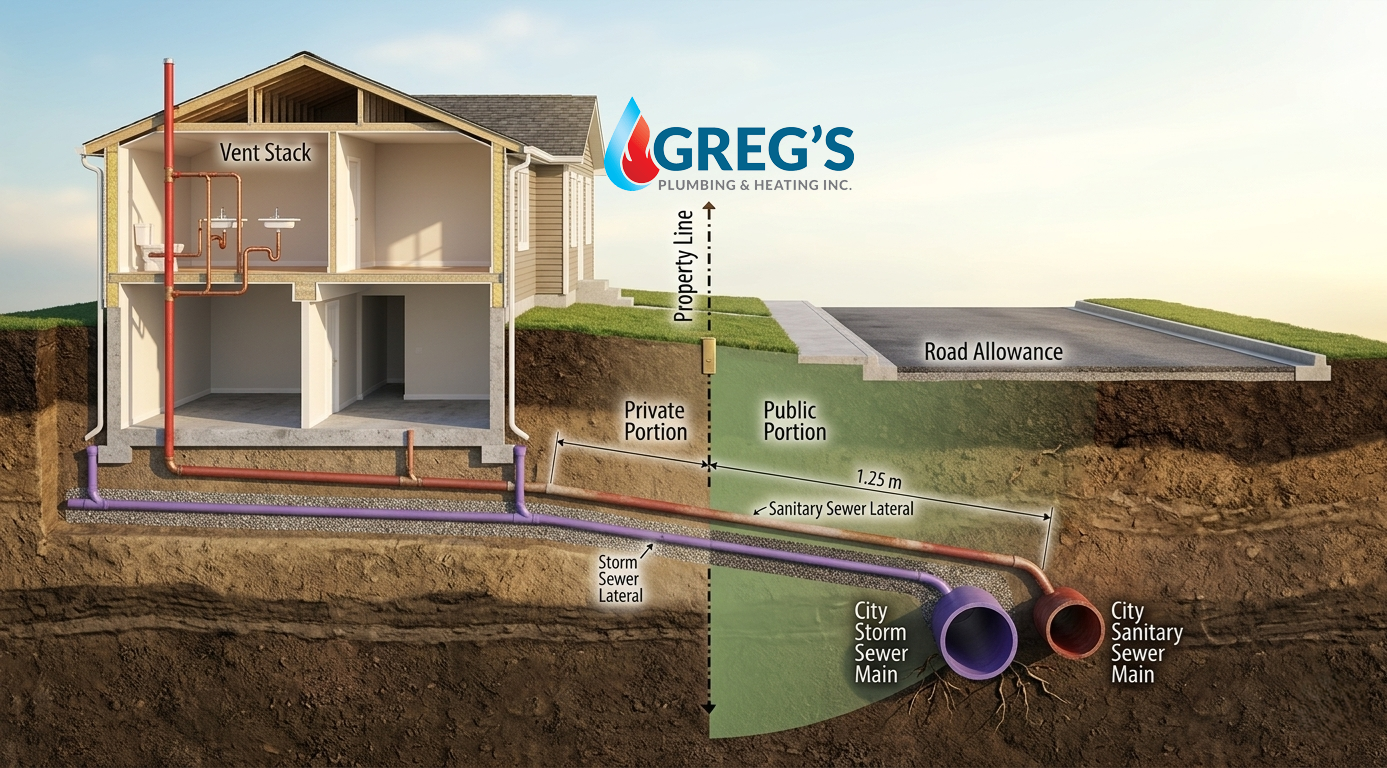
You maintain the private sanitary lateral.
In Hamilton, the property owner is responsible for care, maintenance, and repairs of the sanitary lateral that runs from your building all the way to the City sewer main. If the problem is on this private line (roots, collapse, grease), it’s on the homeowner to hire a licensed plumber to inspect and fix it.
The City maintains the public mains and will guide you during backups.
If sewage is coming up through basement drains or fixtures—especially during or right after rain—call the City at 905-546-2489. They’ll ask a few questions to help determine whether the system is surcharging and advise next steps or available programs.
Programs may help with prevention and repairs.
Hamilton’s Protective Plumbing Program offers a grant of up to $2,000 for eligible flood-prevention work like backwater valves (permit required). Check the current eligibility and forms before you book work.
Bottom line:
City = public mains and guidance; you = your lateral and anything on private property. When in doubt, report to the City and book a plumber to camera-inspect your line so you know exactly where the issue sits.
Prevention That Works in Hamilton
Install a backwater valve (permit required)
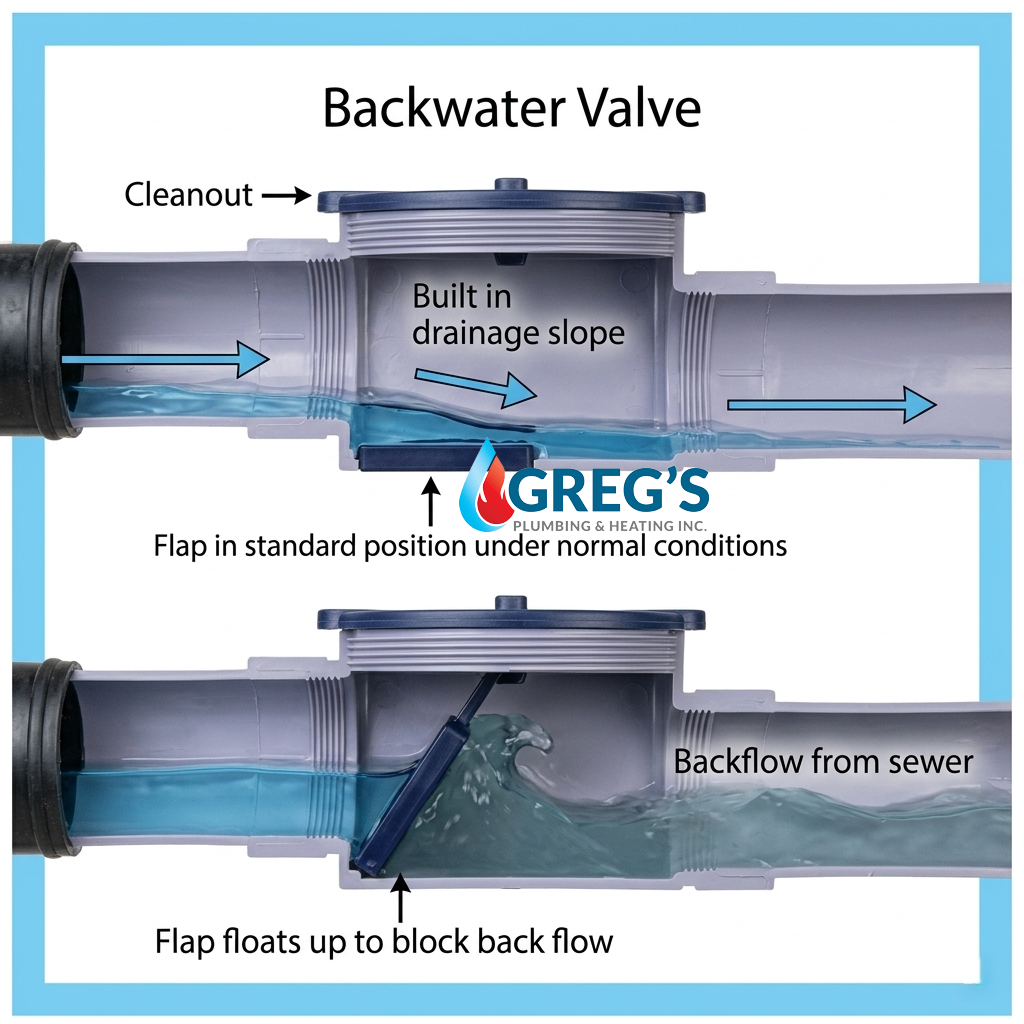
As mentioned, a properly installed backwater valve helps stop sewer water from flowing back into your basement during surcharge events. In Hamilton, this work requires a building permit. Ask your contractor to handle drawings, permit, and inspection so everything is up to code. The City’s Protective Plumbing Program has offered homeowner grants (check the current amount and eligibility on the City website before you book).
Need help fast? We install and service valves and can coordinate permits. Sewer backup repairs
Proactive maintenance (simple, high-impact)
Book a drain camera inspection if you’ve ever had a backup or live in an older home with clay laterals. Finding roots, offsets, or bellies early lets you plan a low-stress fix instead of an emergency. Pair this with routine jetting/root cutting based on what the camera shows.
Start here: Drain cleaning & inspections
Keep stormwater out of the sanitary line
Ensure downspouts, window wells, and yard grading move water away from the foundation. Clean eavestroughs seasonally. Reducing foundation water lowers the odds of surcharge pushing back through your floor drain.
Trap and floor-drain care
Rarely used floor drains can dry out and let odours in. Pour a litre of water into each floor drain every month and add a splash of mineral oil to slow evaporation. If a trap primer exists, verify it’s functioning.
If you’re dealing with a basement floor drain backing up (especially during laundry) or persistent odour even after refilling the trap, follow that guide to pinpoint whether it’s a branch clog, mainline restriction, or outside sewer issue.
Household habits that prevent clogs
Collect cooking fats/oils in a container and dispose of them—don’t pour them into sinks. Only flush toilet paper—no wipes, liners, or hygiene products. Use hair catchers in showers and clean them weekly.
When to consider repair vs. replace
If your camera video shows repeated root intrusion, a cracked section, or standing water (a “belly”), plan a sectional repair before the next storm season. It’s usually cheaper than repeated clean-ups and insurance deductibles.
We’ll show you the video and options: Sewer backup repairs
Insurance & Claims
Disclaimer: The following is general information from a plumbing contractor’s perspective, not legal or insurance advice. Policies vary by insurer and by endorsement. Always confirm next steps with your adjuster or broker.
Call your insurer early
Once the source is controlled and it’s safe, call your insurer to open a claim and get a claim number. Ask about any preferred vendors and whether you can choose your own plumber/restoration company. Insurers generally expect you to take reasonable steps to prevent further damage (stop water use, isolate the area, begin safe mitigation).
Document everything
Take clear photos/videos of the entry point, water line marks, and affected contents. Note dates/times, weather (if relevant), and who you spoke with. Keep all receipts for plumbing, pumping, temporary lodging, and cleanup supplies.
What adjusters usually ask for (and what we provide)
| Adjuster will often request | We can provide |
|---|---|
| Cause of loss (private line vs surcharge) | Camera inspection video with timestamps and a short written summary |
| Location of defect/obstruction | Locate/mark report (depth, distance from cleanout) |
| Mitigation performed | Work order noting snaking/jetting, temporary measures, and results |
| Repair/replacement estimate | Itemised quote for sectional repair, full replacement, or backwater valve |
| Preventive recommendations | Maintenance plan (root-cutting cadence, inspections, valve options) |
Contents and cleanup
For sewage-affected items, photograph before moving or disposing. Keep samples of damaged finishes (e.g., a piece of carpet) if safe. Porous materials that have been in contact with sewage often require professional Category-3 remediation. Ask your adjuster before discarding high-value items.
Coverage questions to ask your broker/adjuster
- Do I have a sewer backup endorsement and what are the limits/deductible?
- Are there any exclusions tied to maintenance or prior known defects?
- How are restoration costs, contents, and alternative accommodations handled?
- Do you direct bill contractors, or should I pay and submit receipts?
If a third party may be involved
Even if you suspect a City main surcharge or a neighbouring property issue, file your claim. Your insurer can investigate and, if appropriate, pursue recovery from other parties. Keep your own documentation; it speeds decisions.
Conclusion
A sewer backup is stressful, but a calm, first-hour plan prevents most of the damage. Stop all water use, keep everyone out of contaminated areas, decide City vs plumber quickly, and document everything for insurance. Once the line is cleared and the cause is known, lock in prevention—camera evidence, maintenance (root cutting/jetting), and a properly permitted backwater valve where appropriate. If you need immediate help, call 905-928-6831 or use Book Online for same-day service in the Hamilton area.
FAQs: Sewer Backup in Hamilton
Is the City or the homeowner responsible for my sewer backup?
Responsibility depends on where the problem is. The homeowner is typically responsible for the private sanitary lateral from the building to the City main. The City maintains the public mains. When sewage is emerging from basement fixtures—especially during or after rain—report it to the City for guidance, and have a plumber camera-inspect your private line to confirm the exact location of the issue.
When should I call the City (905-546-2489) vs calling a plumber?
If sewage is coming up through a floor drain or basement fixtures during or right after heavy rain, call the City to report and get direction. If there was no rain and only your home is affected, call a plumber for inspection and clearing of the private line.
Do I need a building permit for a backwater valve in Hamilton?
Yes—backwater valve installations in Hamilton require a building permit and inspection. Your licensed contractor can coordinate the paperwork and ensure the device is approved and installed to code.
Does the City offer a grant for backwater valves?
Hamilton operates a program that may subsidise eligible flood-prevention work (such as backwater valves). Grant amounts and eligibility can change, so check the current City program page and forms before booking any work.
What if my cleanout cap is missing or seized?
A missing cap can allow odours and overflow; replace it promptly. If the cap is seized, don’t force it—you can crack the fitting or cause a spill. A plumber can safely relieve pressure, open the cleanout, and restore a proper cap.
Do chemical drain cleaners help during a sewer backup?
No. Chemicals won’t fix a mainline surcharge or a blocked sanitary lateral, and they create hazards for anyone working on the line. Mechanical clearing (snaking/jetting) plus a camera inspection is the right approach.
Is it safe to clean up sewage myself?
Small, superficial contamination on non-porous surfaces can sometimes be cleaned with proper PPE and disinfectants. Porous, sewage-soaked materials (carpet, drywall, insulation, some furniture) generally require professional Category-3 remediation to protect health and prevent mould.
How fast can you arrive, and where do you serve?
We prioritise sewer backups with same-day emergency service. Typical response is within the Hamilton area and nearby communities including Burlington, Ancaster, Dundas, Stoney Creek, Grimsby, Binbrook, and Caledonia. Call 905-928-6831 for immediate dispatch.


