
Quick answer
Most toilets that keep running in Hamilton are caused by a worn flapper, a chain that is too tight or tangled, or a fill valve that is not shutting off. Phantom flushing usually means a slow leak from the tank into the bowl. Pop the tank lid, check the water level, and do a quick dye test. If water is near the top of the overflow tube or parts are corroded, book toilet repair in Hamilton.
First, figure out which problem you have
Start by matching what you’re noticing to the symptom below. The fix is different depending on whether the leak is going into the bowl, or the toilet is refilling because the tank level is dropping.
A) Toilet runs constantly
You hear water continuously and it sounds like it never fully stops. You may also see a steady trickle into the bowl.
B) Toilet cycles on and off
The toilet fills for about 5 to 20 seconds every few minutes, then stops, then does it again. This usually means the tank is losing water slowly, then the fill valve tops it up.
C) Phantom flushing
You hear a refill when nobody used the toilet. In most cases, water is leaking from the tank to the bowl quietly, so the tank level drops until the fill valve kicks on.
D) Weak flush or slow refill
The flush feels weaker than usual, or the tank takes a long time to refill. This often points to a fill valve issue, partially clogged supply, or low incoming pressure at that one stop valve.
High water bill with no clear cause can be a running toilet. If your bill jumped unexpectedly, see High Water Bill in Hamilton for quick checks.
Why it happens in Hamilton homes
Hard water and older plumbing parts are a big reason toilets act up here. Mineral scale can build up on fill valves and seals, so the valve does not close cleanly. That is when you get the classic hiss, a toilet that keeps topping up, or a tank that never quite reaches a stable shutoff point.
Older toilets are another common factor. Worn flapper seats, aging rubber, and corroded bolts can create tiny leaks that you do not notice until you start hearing refills at random times. In finished basements, slow tank leaks can also go unnoticed longer because you are not in that bathroom as often, and the sound blends into furnace or dehumidifier noise.
DIY part swaps can make it worse. Universal flappers and off-brand seals sometimes do not match the flush valve seat perfectly, so you “fix” the toilet and it still refills by itself a day later.
This is also why it often spikes in winter. Dry air and temperature swings can stiffen rubber seals and exaggerate tiny gaps, turning a slow leak into phantom flushing that suddenly becomes obvious.
Quick checks you can do in 5 minutes
1) Check the water level in the tank
Take the tank lid off and look at where the water sits when the toilet is not running. The water should be below the top of the overflow tube. If it is right near the top or spilling into the tube, the fill valve is set too high or failing.
2) Do a dye test for phantom flushing
Add a few drops of food colouring to the tank water and do not flush. Wait 10 to 15 minutes. If you see coloured water in the bowl, you have a slow leak from tank to bowl, usually the flapper or the flush valve seat.
3) Check chain slack
The chain should have a little slack. If it is too tight, it can hold the flapper open just enough to leak. If it is tangled, it can prevent a clean seal.
4) Inspect the flapper seal
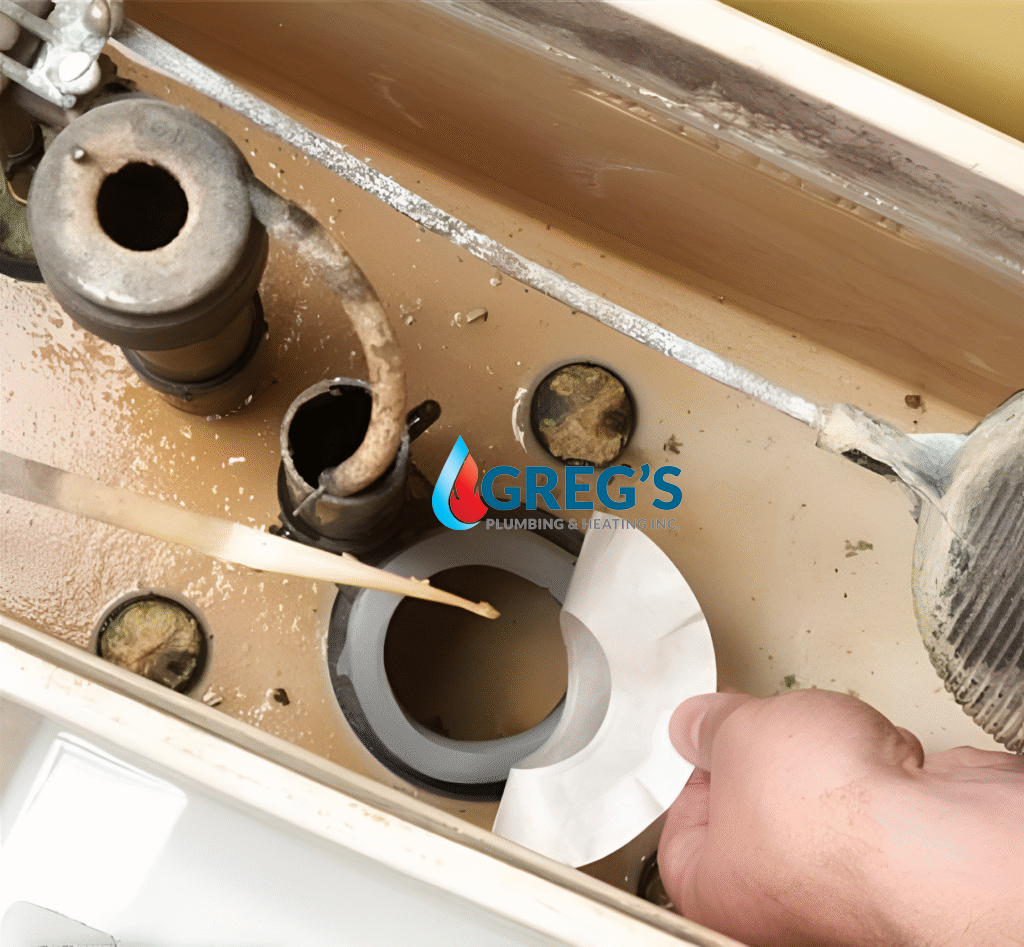
Press lightly on the flapper. If it feels stiff, warped, slimy, or cracked, it is not sealing well. That is a common cause of phantom flushing and cycling.
5) Check if the fill valve ever fully shuts off
If you hear hissing after the tank refills, or the water level creeps up and down, the fill valve may be failing or scaled up.
6) Confirm the shutoff valve works
Gently turn the shutoff valve clockwise to confirm you can stop water to the toilet. Do not force it if it is stiff. If you ever need to shut water quickly for a leak, this guide helps: How to Shut Off Your Main Water Valve in Hamilton.
Fixes that usually work and the exact part at fault
Fix 1: Replace the flapper (most common)
This solves most tank-to-bowl leaks and phantom flushing. If the dye test shows colour in the bowl, the flapper is the first thing to replace.
The common mistakes are using the wrong size flapper, choosing a cheap one that does not seal well, or setting the chain too tight so the flapper cannot sit flat.
Fix 2: Adjust or replace the fill valve
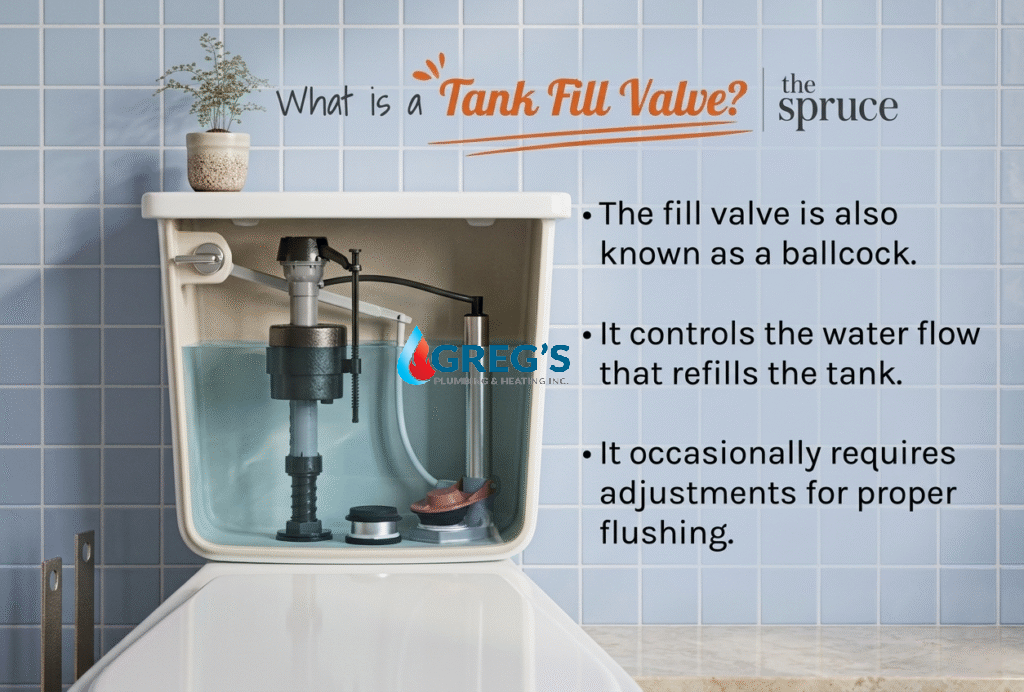
If the toilet runs into the overflow tube, the float may be set too high or the fill valve is not shutting off cleanly. A failing fill valve can also cause cycling, hissing, and slow refill.
If your toilet refills randomly but the dye test does not show water entering the bowl, the fill valve is a prime suspect.
Fix 3: Replace the flush valve seal or seat
Sometimes a new flapper does not fix it because the surface it seals against is rough, pitted, or warped. In that case, the leak is at the flush valve seat itself. This is more common on older toilets or toilets that have had multiple “universal flapper” attempts over the years.
Fix 4: Replace tank to bowl bolts and gasket (leaks at base)
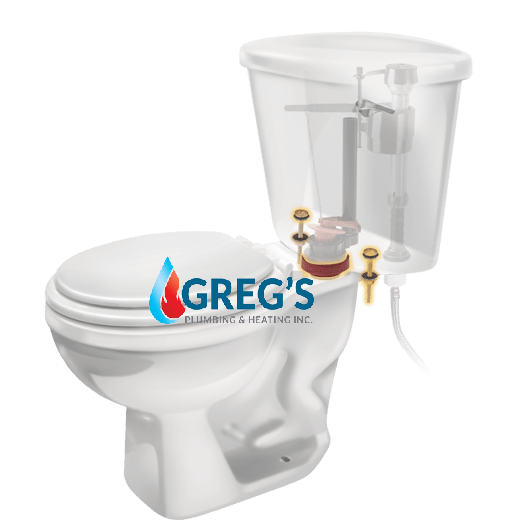
If you’re seeing moisture around the toilet, especially after flushing, don’t assume it’s always the wax ring. It could be tank-to-bowl hardware, the supply line, or a slow seep that only shows up under pressure. This guide helps you narrow it down: toilet leak repair in Hamilton
Fix 5: Replace the whole internal kit (best for older toilets)
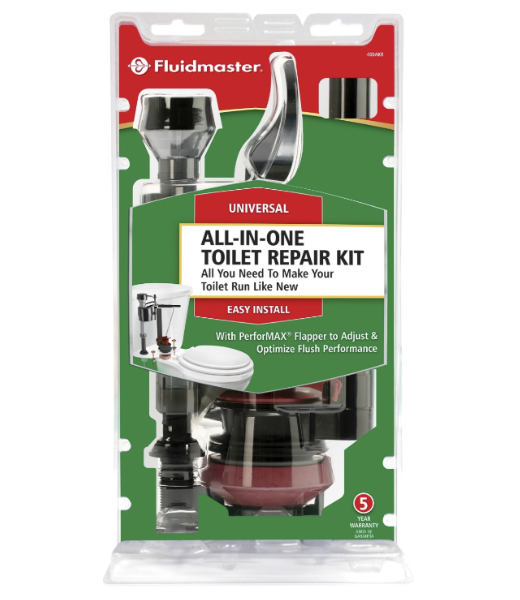
If the toilet is older and you have multiple worn parts, replacing the full internal kit is often smarter than chasing one leak at a time. It reduces call-backs and usually restores proper fill and flush behaviour in one go.
Avoid ultra-cheap parts that do not seal well. They tend to fail early and bring the problem right back.
When to stop DIY and call a plumber
If you’ve done the quick checks and the toilet still runs or phantom flushes, it’s time to stop guessing. The risk is turning a simple repair into stripped bolts, a leak you can’t shut off, or water damage.
Call a plumber if any of these apply.
Water level and overflow problems
Water is flowing into the overflow tube even after you adjust the float, or the tank level keeps rising and falling on its own.
Rusted or seized hardware
Tank bolts are heavily rusted, spinning, or you can’t loosen them without forcing. Corroded parts can snap and start leaking fast.
Cracks or physical movement
You see any cracks in the tank or bowl, the toilet rocks, or there is water at the base after flushing. If your toilet is also slow to drain, gurgling, or threatening to overflow, that’s a different problem than a running toilet, see toilet backing up in Hamilton for the right first steps
Shutoff valve issues
The shutoff valve will not fully close, feels stuck, or starts dripping when you touch it. If you cannot reliably shut off water, DIY repairs get risky.
You replaced parts and it still refills
You changed the flapper or fill valve and it still cycles, hisses, or refills by itself. That often means a worn flush valve seat, a mismatch part, or a deeper issue that needs proper diagnosis.
If you want it handled today, book a same-day plumber in Hamilton.
How much water a running toilet can waste
Even a small, quiet leak can waste a surprising amount of water over time.
A slow tank-to-bowl leak that triggers a short refill every few minutes can add up across days and weeks, especially if the toilet is used often and the leak is constant. A continuous run is worse. It can drive a sudden bill spike and make the toilet sound like it never gets a break.
If you want to sanity-check whether your home is losing water when nothing is running, watch your water meter for movement with all fixtures off. If your bill jumped and you can’t pinpoint why, this guide walks you through the most common causes in Hamilton homes:
What to expect when we repair it
We start by identifying the exact source of the refill, so you’re not paying for trial and error.
First we confirm whether water is leaking from tank to bowl, whether the fill valve is failing to shut off, and whether the shutoff valve and supply line are in good shape. Then we replace the right parts, test the seal, and confirm the toilet stops cycling.
If mineral buildup is part of the issue, we clean the sealing surfaces so new parts actually seat properly. Before we leave, we re-check water level, overflow behaviour, and flush performance so the bathroom is fully usable again.
If the toilet is at the end of its life, we’ll tell you clearly and give you options, instead of patching a unit that’s going to keep costing you.
FAQs
1) Why does my toilet keep running after I flush
Most often the flapper is not sealing, the chain is too tight, or the fill valve is not shutting off properly. Start by checking the tank water level and whether water is going into the overflow tube.
2) What causes phantom flushing
Phantom flushing usually means a slow leak from the tank to the bowl. The tank level drops quietly, then the fill valve turns on to top it up. A dye test is the fastest way to confirm it.
3) How do I know if it is the flapper or the fill valve
If dye in the tank shows up in the bowl without flushing, the flapper or flush valve seat is leaking. If the dye test is clear but the toilet still refills on its own, the fill valve is more likely.
4) Can I just jiggle the handle or is that masking the problem
Jiggling the handle can temporarily reseat the flapper or free a chain, but it is usually masking a seal issue. If you have to do it often, the flapper, chain length, or handle linkage needs adjustment or replacement.
5) Is food colouring safe for the dye test
Yes. A few drops in the tank is safe for plumbing and is a common way to detect a slow leak. Avoid leaving it for hours, and flush afterward once you’ve checked the result.
6) Why does it refill only at night
At night the house is quiet, so you notice it more. Also, cooler temperatures and dry air can stiffen rubber seals slightly, making a slow leak more noticeable.
7) Should I replace the whole toilet if it is old
If the toilet is older, parts are corroded, or you’ve already replaced multiple internal components, a full rebuild kit or a new toilet can be more reliable than chasing one leak at a time. We can confirm what makes sense once we see the condition of the tank and hardware.
8) Can a running toilet cause a high water bill
Yes. Running and cycling toilets are one of the most common causes of an unexpectedly high bill because the water loss is continuous and easy to miss.
Need a plumber to stop a running toilet in Hamilton?
Greg’s Plumbing & Heating
69 Bigwin Rd Unit 1 Hamilton ON • 905-928-6831 • admin@gregsplumbing.ca
Call 905-928-6831 or Book Online:
Service area: Hamilton, Dundas, Ancaster, Stoney Creek, Burlington, Binbrook, Grimsby, Niagara Falls, Caledonia.


