
A leaking water heater can feel like an emergency for a reason. It can damage flooring fast, soak drywall, and in finished basements it can become a major cleanup in hours, not days.
The good news is that the leak location usually tells you what’s going on. Some “leaks” are just a fitting, valve, or drain connection that can often be repaired. Others are signs the tank itself is failing, and replacement is the safer move.
Quick answer
If the leak is from pipes or valves, a repair may be possible. If water is coming from the tank body or the bottom seam, it’s often replacement time. Shut off water and power or gas safely right away to limit damage.
If your leak comes with weak or no hot water, it helps to do a couple quick checks before anything gets worse. Start here: No Hot Water in Hamilton: 9 Fast Checks Before You Call.
First, do this to limit damage safely
Step 1: Stop the water
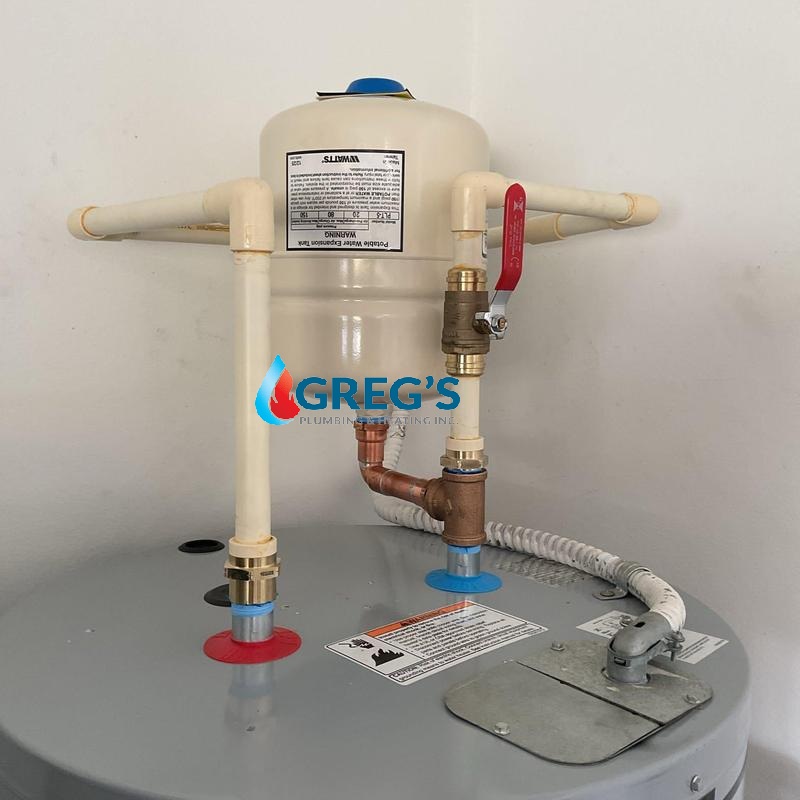
Start with the cold water shutoff above the tank. Turn it clockwise until it stops. If it’s stiff, don’t force it hard enough to break it. Slow, steady pressure is better.
If you can’t find that valve, it won’t move, or the leak is still feeding quickly, use your home’s main shutoff. If you’re not sure where it is, follow this guide: how to shut off your main water valve in Hamilton.
Step 2: Shut off power or gas
What you do next depends on the type of water heater.
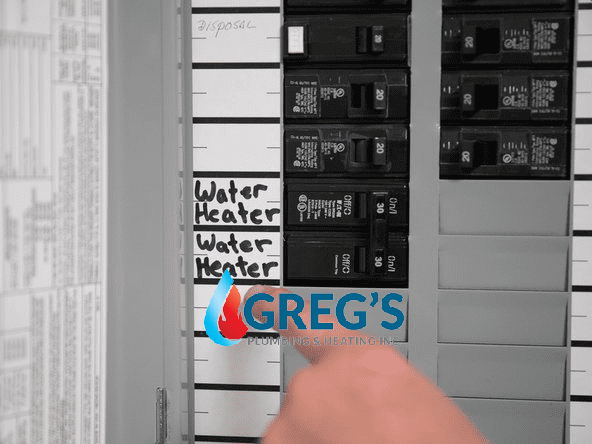
Electric water heater: turn off the water heater breaker at the electrical panel. A leak plus live power is not something to gamble with.
Gas water heater: turn the control to Off. If you smell gas, leave the area and get help right away. If this feels urgent, follow: emergency plumber in Hamilton.
Step 3: Protect floors and belongings
Put a bucket or shallow pan under the drip point if you can do it safely.
Move anything stored nearby, especially cardboard boxes, electronics, and soft items that soak up water. Keep water away from outlets, extension cords, and power bars. If water is tracking toward anything electrical, prioritize safety and stop there.
Where is the water coming from? This is the key
Leak location matters because it helps you tell the difference between a fixable problem and a tank that’s reaching the end.
Leak from the top (pipes and fittings)
Most top leaks are from connections above the tank, not the tank itself. You might see dripping from the cold inlet, hot outlet, a union, or a valve.
A slow drip up top can run down the jacket and make it look like the tank is leaking everywhere. That’s why it’s worth drying things off with a towel and watching where the first drop forms.
If it’s a fitting or valve leak, we can usually repair it quickly. Book a visit today or call 905-928-6831
Leak from the side (drain valve or T and P valve discharge)
Side leaks often come from one of two places.
One is the drain valve near the bottom side of the tank. Some valves seep as they age, especially if they’ve been bumped or used recently.
The other is the temperature and pressure relief valve, often called the T and P valve. If that valve is dripping, it can be a pressure or expansion issue, not a “bad tank.” It’s also a safety device, so it shouldn’t be ignored.
If you’re seeing dripping and you suspect pressure swings, run our quick check first. Leak triage and water pressure checker
Leak from the bottom (base, seam, or pooling under the tank)
Bottom leaks are the ones homeowners worry about most, and for good reason.
Sometimes what looks like a bottom leak is just condensation. That can happen after heavy hot water use or in cooler basements. Condensation usually leaves the tank dry after you stop using hot water for a bit.
But if you see steady pooling, rust at the base, or water coming from the bottom seam, that often means internal corrosion and tank failure. Once a tank starts leaking from the body, it typically does not “seal back up.”
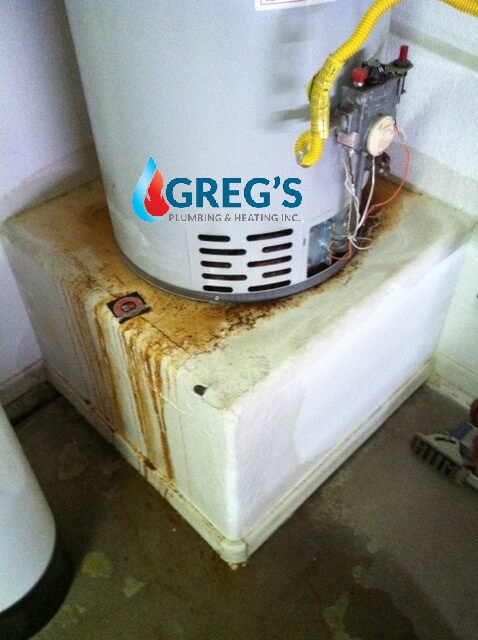
If it looks like a bottom seam or tank body leak, it’s usually time to plan replacement with our hot water tank installation team, and if you’re still unsure, the water heater repair or replace calculator can help you decide based on your situation.
Repair or replace: simple rules that actually help
If you’re standing in water, you need a clear call, not a long debate. These rules won’t cover every scenario, but they’ll point you the right way fast.
Repair is more likely when
The water is clearly coming from a fitting, connection, or valve.
The leak is small and stops when you shut off the cold supply.
The tank itself looks solid with no heavy rust at the base, and the problem started suddenly after someone adjusted a valve or the system saw a pressure change.
In these cases, the goal is to fix the source and confirm the system is operating safely. If you’re not sure whether the issue is the tank, the burner, or the tankless unit, this guide walks through the most common causes: Problems with your water heater? Quick Checks for Tanks & Tankless.
For a few practical, city-backed tips that also help reduce wear on your system, Hamilton has a useful list for water heaters, including insulating the first few feet of hot water piping and following manufacturer guidance for maintenance and flushing. See: Hamilton’s water efficient homes water heater tips.
Replacement is more likely when
Water is coming from the tank body, bottom seam, or the base is rusted and damp even after drying it off.
The leak continues even after the cold supply is shut off, because the tank is still draining out through the failure point.
The unit is older and showing multiple signs of wear, like corrosion, repeated valve issues, or inconsistent heating.
A tank leak can accelerate quickly. Even if it’s “slow” now, it can become a heavy leak without much warning. If you suspect the tank is failing, stopping damage and planning replacement usually costs less than dealing with water damage later. Book a visit today or call 905-928-6831 to investigate for you.
Call now situations (do not wait)
If any of the situations below are happening, stop running water and get help. A small leak can turn into major water damage fast.
Water is coming from the tank body or bottom seam
If you see steady pooling under the tank, rust at the base, or water appearing from the bottom seam, that often points to tank failure. At that point, it’s usually safer to plan replacement than to chase temporary fixes. You can start here: hot water tank installation.
If you own your home in Hamilton and you’re currently on Ontario Works or ODSP, the City may be able to help with urgent health and safety repairs through its Emergency Repair Program (funding is limited and eligibility rules apply).
Water is near electrical outlets, the panel, or the heater is electric
If there’s any chance water is reaching electrical components, shut off the water heater breaker if you can do it safely and keep clear of standing water. If you’re unsure, treat it as urgent and follow: emergency plumber in Hamilton.
You smell gas or suspect a gas issue
If you smell gas, leave the area and get help immediately. Do not try to troubleshoot it yourself.
Leak plus no hot water
If you’ve lost hot water and you also have a leak, the system is telling you something has failed. Use the decision guide here: water heater repair or replace.
Condo, shared systems, or finished basements
If a leak could affect multiple units or finished living space, don’t wait. The cleanup and damage risk is higher.
If you need same-day help, start here: Hamilton plumbers. You can also Book a visit today or call 905-928-6831
What to expect when Greg’s arrives
We focus on finding the real source first, then fixing it in a way that holds.
Confirm the leak source (top, side, or bottom)
We’ll dry and trace where the water is actually starting. A top leak can run down the tank and mimic a bottom leak, so we confirm before recommending anything.
If it’s a fitting or valve issue, repair is often straightforward. See: water heater repairs.
Check for pressure-related causes when it makes sense
If the leak is coming from a relief valve discharge or intermittent dripping, we may check for pressure swings and expansion. You can also run this quick check anytime: Leak triage and water pressure checker.
Clear repair vs replacement options
If it’s repairable, we’ll explain what failed and what we’re replacing.
If the tank itself is leaking, we’ll walk you through replacement options and timing. If you want a quick decision tool, use: water heater repair or replace calculator.
Confirm safe operation before we leave
Once the leak is addressed, we confirm stable flow, safe operation (electric or gas), and that you’re not set up for the same leak to return.
How to prevent water heater leaks in Hamilton homes
You can’t prevent every failure, but you can catch warning signs early and reduce the chances of a surprise leak.
Do a quick visual check once a month
Look around the base of the tank for dampness, rust flakes, or a small puddle that wasn’t there before.
Check the piping above the tank too. A slow drip from a fitting often runs down the outside and makes it look like the tank is leaking.
If you’re already dealing with any kind of dripping or moisture and want to triage it quickly, use: Leak triage and water pressure checker.
Watch the relief valve discharge line
If your T and P valve has a discharge pipe, keep an eye on the end of that pipe.
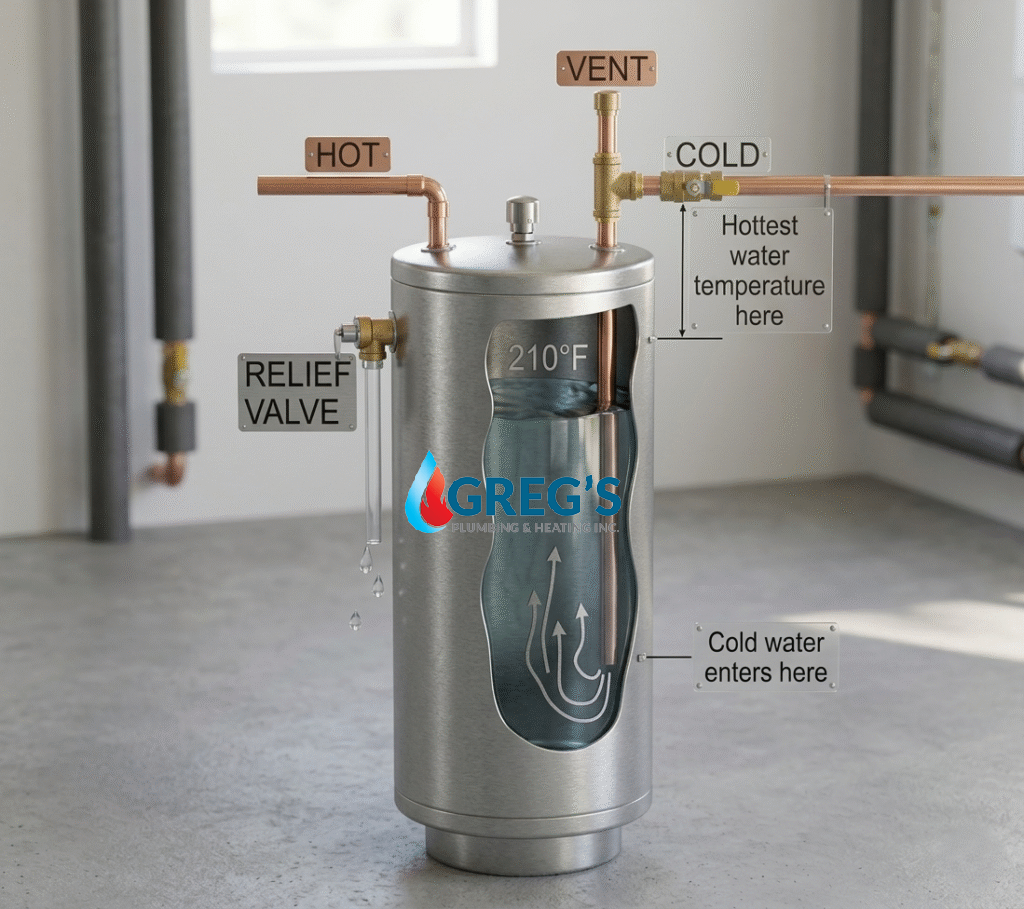
Occasional moisture can happen, but repeated dripping usually means pressure or expansion issues that need attention. Ignoring it can lead to bigger problems.
Keep the area around the tank clear
A crowded utility room hides leaks.
Leave enough space to see the floor around the tank and to access shutoffs quickly. Store items up off the floor if possible, especially in finished basements.
Deal with pressure swings early
High water pressure and thermal expansion can stress valves and connections.
If you’ve noticed banging pipes, frequent dripping from a relief valve, or recurring small leaks at fittings, don’t just replace the part and hope. Confirm the underlying pressure issue first. This guide can help with next steps: water heater repairs.
If your tank is older, plan before it fails
Older tanks can fail with little warning.
If you’re seeing rust at the base, repeated valve issues, or inconsistent hot water, it’s worth planning ahead instead of waiting for a leak. Start here: hot water tank installation.
FAQ
Why is my water heater leaking from the bottom?
A little water under the tank can be condensation, especially after heavy hot water use. But steady pooling, rust at the base, or water from the bottom seam often points to tank failure.
If you’re unsure, this can help you decide: water heater repair or replace calculator.
Is a leaking hot water tank dangerous?
It can be. Water damage can spread quickly, and leaks near electrical components are a safety risk. Gas-related concerns also need urgent attention.
If it feels urgent, follow: emergency plumber in Hamilton.
Can I keep using hot water if the tank is leaking?
It depends on where the leak is coming from. If it’s a fitting drip and you can control it safely, you may be able to use limited hot water until it’s repaired.
If the tank body is leaking or water is pooling under the tank, stop and shut things down to prevent flooding and damage.
Why is my water heater relief valve leaking?
A dripping relief valve can be caused by pressure issues or thermal expansion, not just a bad valve. It’s a safety device, so it should not be ignored.
Run this quick check for pressure-related clues: Leak triage and water pressure checker.
How do I shut off water to a leaking water heater?
Use the cold water shutoff valve above the tank if it works. If you can’t stop the flow there, shut off the main water supply.
Here’s the step-by-step guide: how to shut off your main water valve in Hamilton.
Can a leaking water heater be repaired?
If the leak is from a valve, fitting, or connection, repair is often possible. If the leak is from the tank body or bottom seam, replacement is usually the right call.
Start here if you need service: water heater repairs.
How long does water heater replacement take?
Many replacements can be done the same day once the right unit is selected and access is clear. Timing depends on the setup, venting, and whether upgrades are needed.
You can review options here: hot water tank installation.
Do you offer same day water heater service in Hamilton?
Same-day service is often possible depending on the time of day and demand. If the leak is active, treat it as urgent.
Start here for fast help: Hamilton plumbers.


