
It usually starts small. A musty smell when you open the cabinet. A damp bottle of cleaner. A dark stain on the cabinet floor. Maybe a drip that only shows up while the sink is running.
The problem is that under sink plumbing issues are easy to ignore until they damage the cabinet bottom, flooring, or even the wall behind it. What looks minor today can turn into swollen cabinet material, mouldy odours, and a bigger repair later.
This guide walks through the most common signs, what is usually causing the problem, and when it makes sense to book under sink plumbing repair right away. If the smell is your main concern, this related guide is a good companion read: Musty Smell Under Sink.
The most common signs you need under sink plumbing repair
Under sink problems do not always look dramatic. In many Hamilton homes, the warning signs are subtle at first.
Musty smell
A musty cabinet smell usually means moisture has been present for a while. It may come from a slow leak, a damp cabinet floor, wet particleboard, or residue around the drain assembly. Even if you do not see standing water, a persistent smell often means something under the sink is staying wet.
Damp cabinet floor
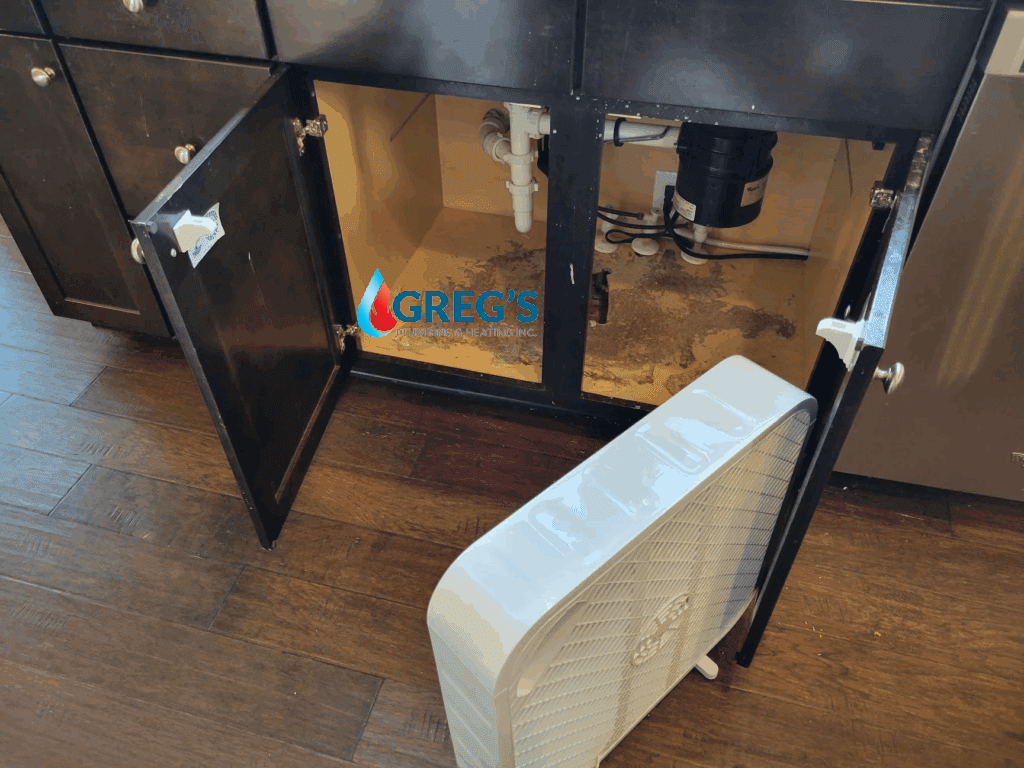
This is one of the most obvious early signs. The cabinet bottom may feel cool, damp, or soft near the pipes. Sometimes you only notice it because stored items under the sink feel wet.
A damp cabinet floor does not always mean a major leak. It can come from a small drip at a supply line, a drain fitting that only leaks during use, or condensation. But once the cabinet material starts absorbing water, damage spreads quickly.
Dripping during or after use
Some leaks only show up when the sink is running. Others drip for a minute or two after the water is turned off because water has collected around a loose connection and is slowly falling.
That timing matters. A constant drip points to one type of problem. A leak that appears only while draining points to another.
Water stain or bubbling cabinet material
If the cabinet bottom is stained, swollen, or bubbling, water has likely been there more than once. Press gently near the stain. If it feels soft or spongy, the leak has probably been active longer than you think.
Sewer smell near the sink
A sewer smell under the sink can come from a drain seal issue, buildup in the drain components, or moisture trapped in damaged materials. It can also point to a drain connection problem rather than a supply line leak.
Shutoff valves that look corroded or wet
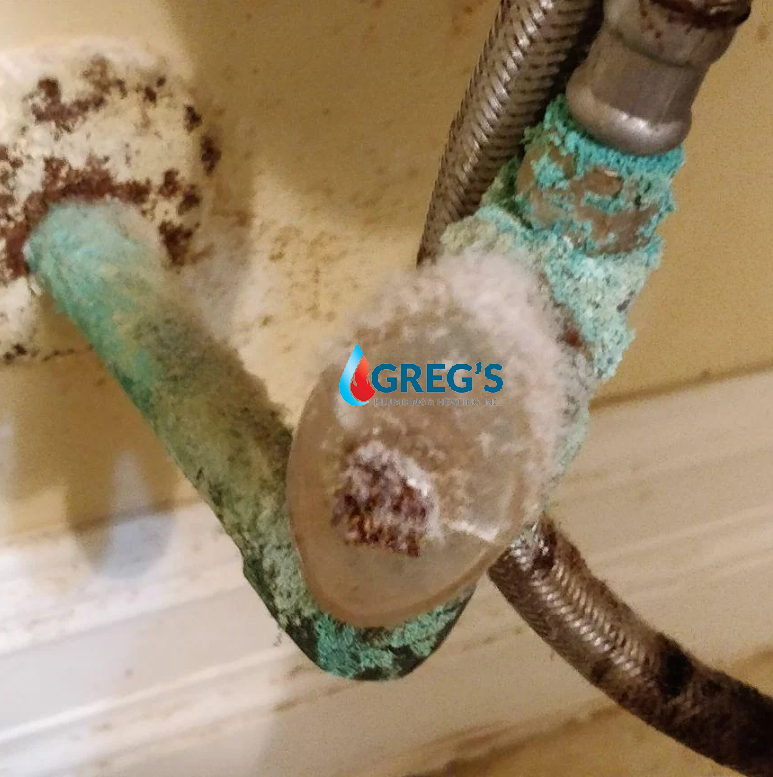
If the shutoff valves under the sink look crusty, green, rusty, or damp, they may be seeping. Many homeowners focus on the faucet or drain and miss the shutoff itself, even though it is a common leak point in older homes.
Quick symptom guide
| What you notice | What it often points to |
|---|---|
| Musty smell only | Slow leak, damp cabinet, drain residue |
| Drip only during use | Drain fitting, trap, tailpiece, basket strainer |
| Water near supply lines | Supply line or shutoff valve leak |
| Bubbling cabinet bottom | Ongoing leak or repeated moisture exposure |
| Sewer smell near sink | Drain seal issue, buildup, or hidden moisture |
If more than one of these signs is happening together, the issue is usually worth dealing with sooner rather than later.
What is usually causing the problem under the sink?
Once you know the symptom, the next step is figuring out what part is most likely failing. Under sink plumbing is compact, and several different parts can create similar-looking leaks.
Supply line leaks
The hot and cold water lines are one of the most common culprits. These are the flexible lines that connect the shutoff valves to the faucet.
Common issues include:
- loose connections
- aging braided lines
- worn washers or seals
- slow drips at the connection points
These leaks are often small at first, but they can run long enough to damage the cabinet floor before you realize what is happening.
Drain leaks
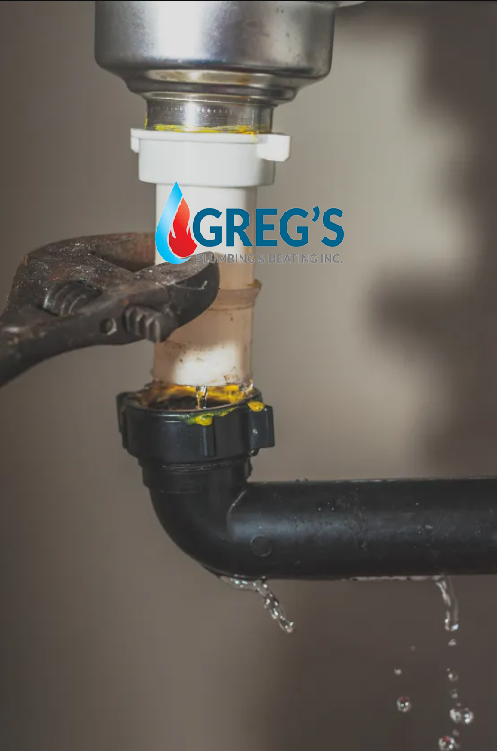
Drain leaks tend to show up while the sink is being used rather than all day long. Common problem points include the slip joints, the trap, the tailpiece, or the basket strainer connection right under the sink bowl.
A drain leak may leave the cabinet mostly dry between uses, which is one reason homeowners miss it for so long.
Faucet related leaks
Sometimes the leak starts at the faucet itself and travels down underneath. That can happen with:
- leaks at the faucet base
- loose or leaking mounting connections below the sink deck
- spray hose leaks in kitchen sinks
- water spray from a failing hose or connector
This kind of leak can be deceptive because the water may show up away from the true source.
Shutoff valve problems
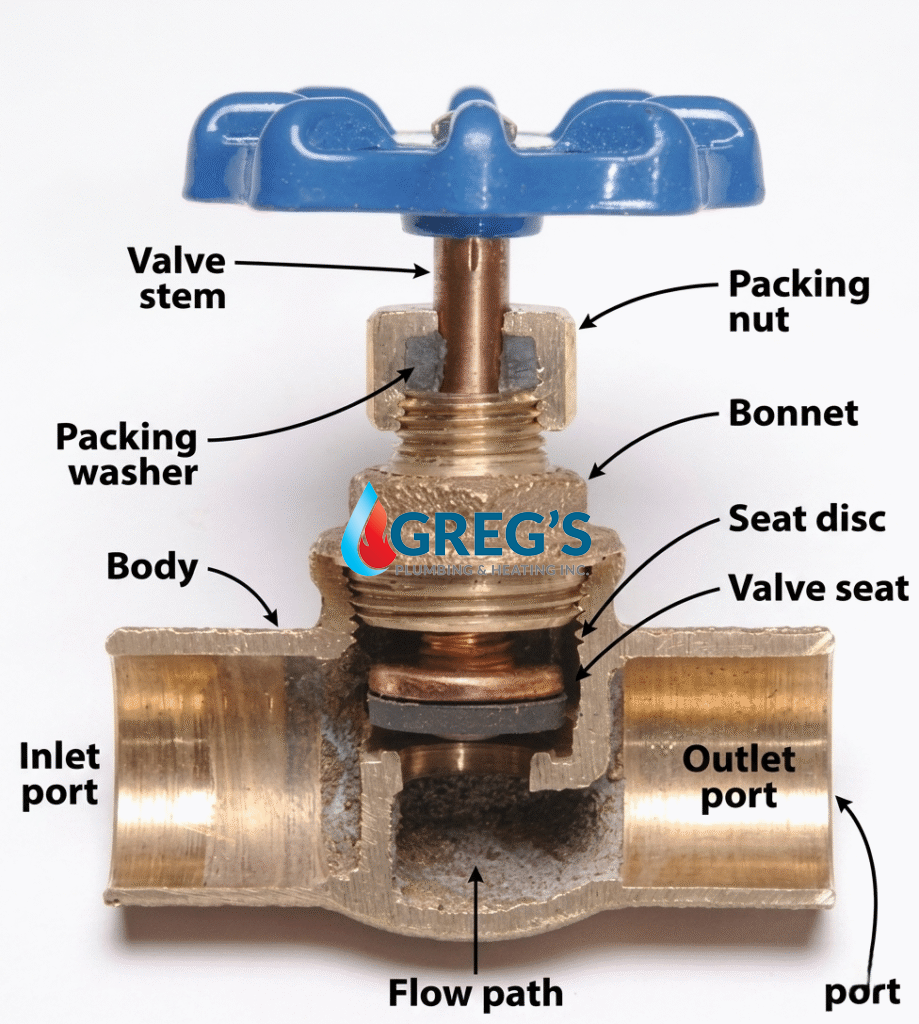
Older shutoff valves often seep around the stem or develop corrosion where the supply line connects. Some valves also stop shutting off fully, which becomes a problem the moment you need to isolate the sink for repair.
If the valves are crusted over, damp, or visibly aged, they may be part of the repair, not just something attached to it. Learn more on How to Shut Off Your Main Water Valve in Hamilton
Moisture from condensation or hidden spray
Not every wet cabinet is a dramatic plumbing failure. In some cases, cold-water line condensation or a tiny spray leak from a connector can keep the cabinet damp without leaving an obvious puddle.
That said, it still needs attention. Even low-level moisture can ruin cabinet material and lead to odours or mouldy buildup over time.
If the issue already looks like an active leak rather than just “a smell,” the most relevant next step is leak repair.
When an under sink smell is not just a smell
A smell under the sink is easy to brush off at first. A lot of homeowners assume it is just old cleaning products, a bit of dampness, or something that will go away on its own.
But a persistent under sink smell often means there is active moisture somewhere.
It may be a slow drip from a supply line. It may be water trapped under the cabinet bottom. It may be residue and buildup around the drain assembly. Or it may be a sewer-type odour coming from a drain connection that is not sealing properly.
That is why smell matters. It is often the first warning sign before you ever see visible water damage.
What the smell may be telling you
| Type of smell | What it may mean |
|---|---|
| Musty or damp smell | Slow leak, wet cabinet material, trapped moisture |
| Sewer smell | Drain seal issue, loose connection, drain buildup |
| Smell that gets stronger after sink use | Drain leak or drain assembly issue |
| Smell that never fully goes away | Ongoing moisture or hidden leak source |
If the smell is your main symptom, read Musty Smell Under Sink for a deeper breakdown of what causes it and what to check first.
What a plumber will check during under sink repair
Once a plumber gets under the sink, the goal is not just to stop the visible drip. The goal is to confirm exactly where the water or smell is coming from and whether the sink itself is the whole problem.
Water supply connections
The hot and cold supply lines are checked first in many calls because they are a common leak point and often easy to miss. A plumber will check the condition of the lines, the connection points, and whether the shutoff valves are seeping at the stem or fittings.
Drain assembly and trap
Next comes the drain side. This includes the basket strainer, tailpiece, slip joints, trap, and any visible drain connections. These parts are often the cause when the sink only leaks during or after use.
If the issue looks more like a recurring drain problem than one bad fitting, the next step may connect to drain cleaning rather than just tightening a joint.
Faucet and spray hose connections
Kitchen faucets often have more going on underneath than homeowners realize. Pull-down or side-spray hoses, mounting hardware, and faucet supply connections can all leak under the sink while making it look like the drain is the problem.
Shutoff valves
A good repair visit also checks whether the local shutoffs are still reliable. If the valve is corroded, damp, or does not close properly, it may need replacement as part of the repair.
Signs of hidden cabinet or wall moisture
A plumber will also look for signs that the water has spread beyond the pipes themselves.
That includes:
- soft cabinet flooring
- swelling or bubbling material
- staining on the cabinet wall
- water marks near the back wall or floor
- signs that the leak has been happening longer than expected
If the symptoms under the sink are part of a broader issue, the next best page to keep handy is Hamilton plumbing repairs.
What can often be repaired the same day
A lot of under sink plumbing problems can be repaired in one visit, especially when the source is visible and accessible.
Common same-day repairs include:
- supply line replacement
- tightening or replacing drain fittings
- trap replacement
- faucet connection repair
- shutoff valve replacement
- minor visible leak repairs
Good signs it may stay a same-day repair
| Sign | Why it often stays simple |
|---|---|
| Leak is visible under the sink | Easier to trace and isolate |
| Only one sink is affected | More likely a local issue |
| Cabinet damage is minor | Less likely water spread has complicated the job |
| Leak happens from one fitting only | Usually a targeted repair |
| Shutoffs still work properly | Makes the repair faster and safer |
A same-day fix is most likely when the issue is one connection, one trap, one supply line, or one shutoff, not a hidden problem behind the wall or deeper in the drain line.
When the problem may be bigger than the sink itself
Sometimes the sink is not the whole story.
A cabinet smell, a drip, or a damp bottom panel can start under the sink, but the real issue may be a recurring drain problem, hidden water damage, or a larger plumbing issue affecting more than one area.
Repeated drain odours
If you clean up the cabinet, dry everything out, and the smell keeps coming back, that often means moisture or drain residue is still present somewhere. Repeated odours can point to buildup in the drain assembly, a poor seal, or a deeper drain issue that is not being solved by wiping the cabinet dry.
If the odour feels more like a drain problem than a visible leak, this is the natural next step: drain cleaning.
Slow draining plus smell
A bad smell plus slow drainage usually means more than one thing is going on. It may start with buildup in the trap or branch line, then turn into trapped moisture and cabinet odour. In kitchens especially, this combination often points to grease, residue, or a developing clog further down the line.
If that sounds familiar, the homeowner guide Musty Smell Under Sink is a strong companion read because it helps separate a damp-cabinet issue from a drainage one.
Water damage spreading into flooring or walls
If the cabinet bottom is swollen, the wall panel is stained, or the flooring in front of the sink is starting to lift or soften, the problem has likely been active longer than it looked. At that point, the priority is not just fixing the fitting. It is stopping the spread and making sure the leak source is fully resolved.
This is exactly where the broader Hamilton plumbing repairs page makes sense, because the repair may involve more than one component.
Kitchen sink backups that keep returning
A one-time slow sink is one thing. A kitchen sink that backs up again and again is different. If you keep clearing it and the same symptoms return, the issue may be deeper than the trap or tailpiece.
That can mean:
- buildup deeper in the branch drain
- poor flow in the kitchen line
- a recurring partial blockage
- a broader drainage issue beyond the sink
Signs of a larger drain issue
If the under sink problem is happening alongside gurgling, multiple slow drains, recurring odours, or backup symptoms elsewhere in the home, stop thinking of it as “just the sink.”
This is where blog posts that explain the bigger pattern are useful:
Multiple Drains Clogged at Once in Hamilton and Basement Floor Drain Backing Up or Smells in Hamilton.
What to do right away if you notice water under the sink
If you find water under the sink, do not wait to “see if it dries out.” Under sink problems are one of the easiest ways to end up with cabinet damage from a leak that looked minor at first.
Empty the cabinet
Take everything out right away. Cleaners, garbage bags, paper products, and spare sponges all trap moisture and make it harder to see where the water is actually coming from.
Dry the area
Wipe the cabinet dry so you can tell whether the water is old moisture or an active leak. A dry surface makes it much easier to spot fresh dripping, spray, or seepage.
Stop using the sink if it leaks during use
If the cabinet only gets wet when the faucet runs or when the sink drains, stop using that sink until the source is confirmed. Every “quick test” can add more water damage.
Place a container if needed
If you can see a steady drip, place a shallow container or towel under it temporarily to reduce further cabinet damage until the repair is done.
Shut off the local valves if it is safe
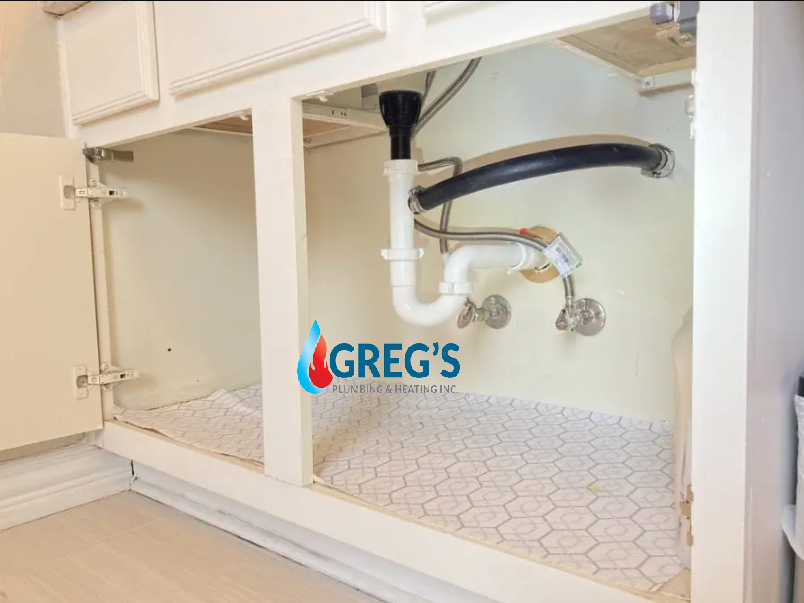
If the leak is from a supply line or faucet connection and the local shutoffs work properly, turn them off gently. Do not force older valves if they feel seized or start dripping when touched.
Do not ignore soft cabinet flooring or swelling
Soft particleboard, bubbling laminate, and swollen cabinet bottoms are signs that this has likely been happening longer than it looked. Once the cabinet material starts breaking down, it rarely improves on its own.
If the leak is active now and you want the most relevant service page, go straight to leak repair.
When to call for under sink plumbing repair in Hamilton
Some under sink problems can wait a day or two. Others are worth booking right away because the damage keeps growing even if the leak looks small.
Call for repair if any of these are happening.
Active drip
If you can see water dripping, spraying, or collecting under the sink, the problem is already causing damage. Small leaks can ruin cabinet bottoms faster than people expect.
Ongoing smell
If the smell keeps coming back after cleaning and drying the cabinet, there is likely still active moisture or a drain issue that needs proper repair.
Cabinet damage
Dark staining, swelling, bubbling, or soft cabinet material all mean the problem has moved beyond “just monitor it.” At that point, the cabinet itself is telling you the leak has been there long enough to matter.
Corroded shutoffs
If the shutoff valves look crusted, green, rusty, or damp, they may be part of the problem and are worth having checked before they fail when you actually need them.
Leak that returns after a DIY tightening
If you tightened a fitting and the leak came back, stop chasing it. Repeated “small fixes” often waste time and still leave you with a wet cabinet.
Multiple sink-related issues happening together
If you have a smell, a slow drain, and visible water under the sink all at once, the repair is worth booking sooner. Multiple symptoms usually mean the issue is not just one loose fitting.
If you want fast local help, this is the natural next step: Hamilton plumbers.
Need help with an under sink leak, smell, or drain problem?
If you have a musty cabinet smell, a drip under the sink, a damp cabinet floor, or signs of swelling and staining, it is worth dealing with before the damage spreads. Many under sink problems start small, but they can quickly turn into cabinet damage, drain issues, or a bigger leak repair than expected.
If the main problem looks like an active leak, start with leak repair. If you want the broader service page for under sink plumbing issues and related home repairs, go to Hamilton plumbing repairs. And if you want to book a local plumber directly, visit Hamilton plumbers.
Greg’s Plumbing & Heating serves Hamilton, Dundas, Ancaster, Stoney Creek, Burlington, Binbrook, Grimsby, Niagara Falls, Caledonia, and nearby areas.
Call 905-928-6831 or Book Online.
FAQ: Under Sink Plumbing Repair
1) Why does it smell under my sink even when I do not see a leak?
A smell under the sink often means there is hidden moisture somewhere. It could be a slow supply line leak, a drain fitting leak that only happens during use, trapped water in damaged cabinet material, or buildup around the drain assembly.
2) What causes water under the kitchen sink cabinet?
Water under a kitchen sink cabinet is commonly caused by leaking supply lines, drain leaks, basket strainer issues, faucet connection leaks, spray hose leaks, or seeping shutoff valves. Condensation can also contribute, but it should still be checked before cabinet damage spreads.
3) Can a slow drain cause a smell under the sink?
Yes. A slow drain can lead to buildup, residue, and trapped moisture around the drain assembly or inside the cabinet. If the sink is draining slowly and smells bad, the issue may be more than just a wet cabinet.
4) Should I call a plumber for a small drip under the sink?
Yes, especially if the drip keeps returning, gets worse during sink use, or has already caused cabinet staining or swelling. Small under sink leaks often do more damage than homeowners expect because they stay hidden.
5) Can under sink plumbing problems be fixed the same day?
Many can. Same-day under sink plumbing repairs often include supply line replacement, trap replacement, drain fitting repairs, faucet connection repairs, shutoff valve replacement, and minor visible leak repairs.
6) When is an under sink problem more than just the sink itself?
It may be bigger than the sink if the smell keeps coming back, the drain is slow, the sink backs up repeatedly, water damage is spreading into the wall or floor, or multiple drains in the home are also acting up.
7) When should I call for under sink plumbing repair in Hamilton?
You should call when there is an active drip, a musty or sewer smell that keeps returning, visible cabinet damage, corroded shutoff valves, or a leak that comes back after a DIY tightening. If multiple symptoms are happening together, it is usually worth booking repair sooner rather than later.


