
A plumbing problem can go from annoying to expensive very fast. A dripping pipe under a sink may be able to wait a bit. A burst pipe, sewer backup, overflowing toilet, major leak, or failing water heater usually cannot. The hard part for homeowners is that in the moment, it is not always obvious what counts as a true plumbing emergency and what the first safe step should be.
This guide is built to help Hamilton homeowners make that call quickly. Not every issue needs an emergency plumber right away, but some problems need fast action to reduce water damage, contamination risk, or loss of essential plumbing service. The goal here is simple: help you protect the home first, then get the right kind of help without guessing.
Quick answer
| Situation | Is it usually an emergency? | First move |
|---|---|---|
| Burst pipe with active water | Yes | Shut off the main water |
| Sewer backup or sewage coming up | Yes | Stop using all drains and toilets |
| Overflowing toilet with no second toilet available | Often yes | Shut off the toilet valve if possible |
| Water heater leaking onto the floor | Usually yes | Shut off water or power/fuel if safe |
| No water in the whole house | Often yes | Check whether it is house-wide and call |
| One slow sink or one clogged tub | Usually not | Book regular repair or drain service |
A plumbing emergency usually involves active leaking, sewage backup, overflow risk, no water, or no safe hot water with signs of failure. The first steps usually involve shutting off water, power, or fuel where appropriate and stopping use of the affected fixture or drain. If you are not sure, the safest move is to call and describe the symptoms clearly so the right next step can be confirmed fast. You can start with Emergency Plumbing or Book Online.
What counts as a plumbing emergency in Hamilton
A true plumbing emergency usually means there is a real risk of property damage, contamination, or loss of essential service if you wait. In practical terms, that often includes a burst pipe, a sewer backup, an overflowing toilet that cannot be controlled, a water heater actively leaking, no water in the house, a major pressurized leak, a frozen pipe that looks close to bursting, or a gas smell near a gas line or appliance. These are the problems where same day help often makes sense because the damage can spread quickly or the situation may become unsafe.
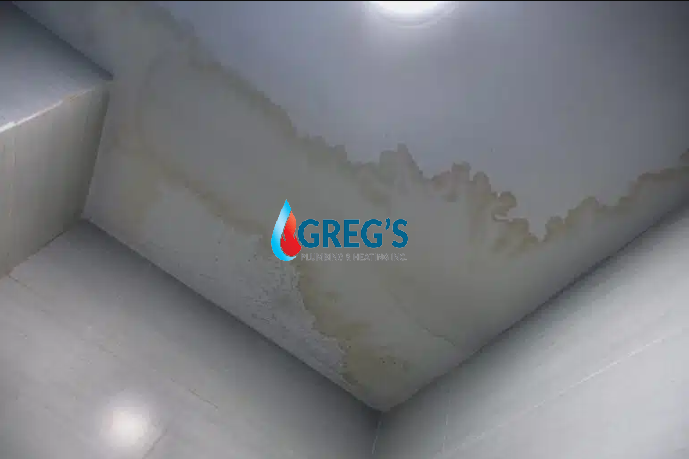
For homeowners, the easiest way to think about it is this: if water is actively escaping, contaminated water may be involved, you have lost a basic service the house depends on, or there may be a gas risk, treat it seriously. Hamilton homes with basements, older plumbing, or finished lower levels can be especially vulnerable because a plumbing emergency can damage flooring, walls, storage, and mechanical areas fast. That is why a broad emergency decision guide like this supports both the main Hamilton plumbers page and the more specific repair pages tied to leak, drain, sewer, and water heater issues.
Problems that usually need same day help
These are the situations that often justify calling an emergency plumber right away:
| Problem | Why it is usually urgent |
|---|---|
| Burst pipe | Active water release can cause fast damage |
| Sewer backup | Contamination risk and worsening backup |
| Overflowing toilet that will not stop | Immediate overflow and sanitation issue |
| Water heater leaking badly | Can flood the area and worsen quickly |
| No water in the whole house | Loss of essential service |
| Major leak under pressure | Water damage can spread fast |
| Frozen pipe at risk of bursting | Delay can turn risk into a rupture |
| Gas smell near a gas appliance or line | Possible safety emergency |
Problems that may wait until regular hours
Not every plumbing problem is a same day emergency. A single slow sink, a minor drip that can be contained, one toilet that is clogged when another toilet is available, or a small under sink issue without active flooding may be urgent to fix, but not always emergency urgent. That does not mean you should ignore them. It means the right fit may be Hamilton plumbing repairs or a more targeted service such as leak repair instead of an after hours emergency response.
A simple example helps here. A pinhole leak dripping into a bucket under a sink is still a repair issue, but it is different from a split pipe spraying water across a finished basement. A toilet that is slow to refill is different from a toilet overflowing onto the floor. The point of this section is not to talk homeowners out of calling. It is to help them separate true emergencies from problems that can be booked more normally without increasing risk.
What to do in the first 10 minutes
The first 10 minutes matter because what you do right away can reduce damage, make the problem safer, and help the plumber respond faster with the right plan. In many cases, homeowners do not need to diagnose the exact failure. They just need to stabilize the situation. That usually means shutting off water if it is safe, stopping use of affected fixtures or drains, turning off power or fuel where that is relevant, and gathering a few details about what changed.
The goal is not perfection. The goal is control. A homeowner who quickly shuts off the main water during a burst pipe event may prevent thousands of dollars in additional damage. A homeowner who stops using sinks, toilets, and showers during a sewer backup may prevent contaminated water from rising further. A homeowner who notices that the leak is coming from the water heater, not a nearby drain, gives the plumber a much clearer starting point.
Shut off the water if it is safe
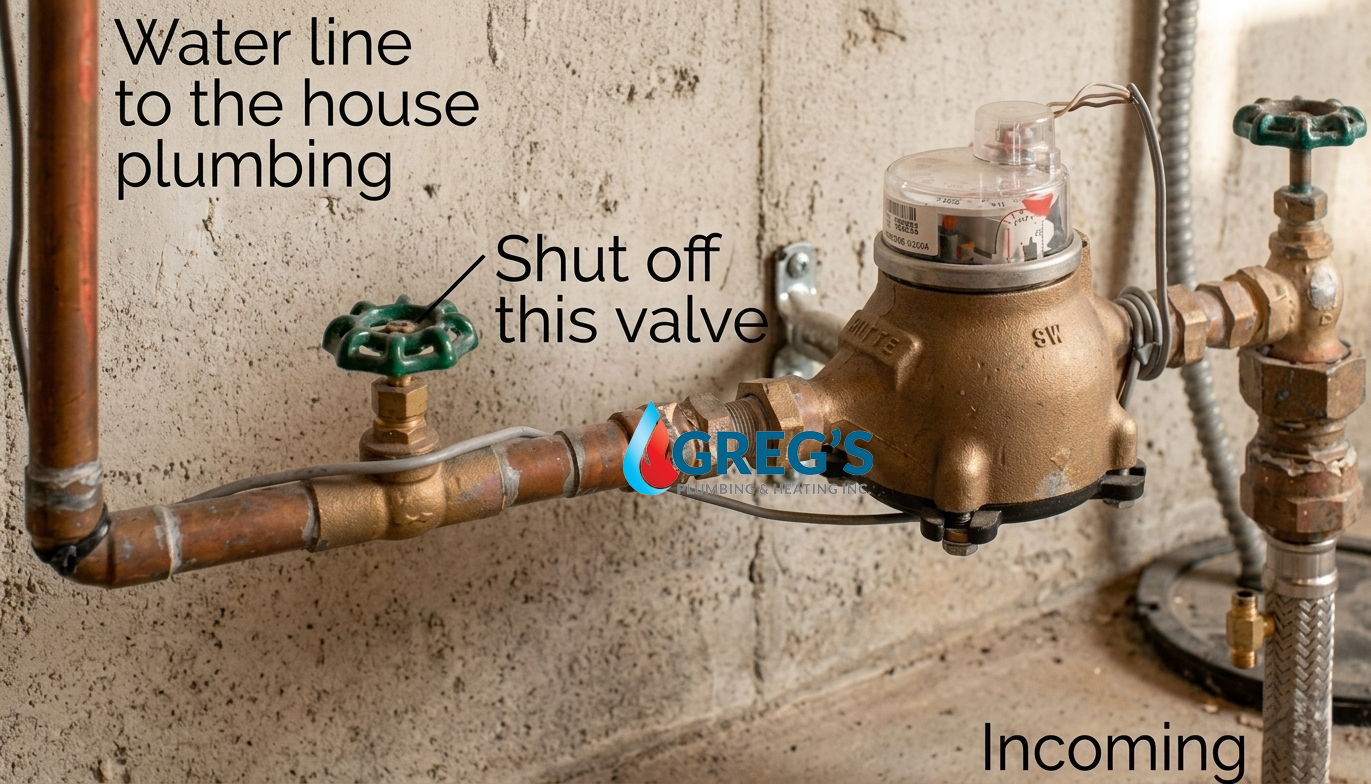
If water is actively leaking, the first priority is usually to stop the flow. That may mean shutting off the local valve to a toilet or sink, or shutting off the main water to the house if the leak is larger or not isolated. If you are not sure where that is, this is where your internal link to how to shut off your main water valve in Hamilton becomes very useful.
Stop using affected drains or fixtures
If the problem involves backing up, gurgling, sewage, or multiple drains acting strangely, stop running water right away. Continuing to test the sink, flush the toilet again, or run a shower can make the situation worse. This is especially important when a basement floor drain or multiple fixtures are involved, because those are stronger signs that the problem may be deeper in the system.
Shut off power or fuel where needed
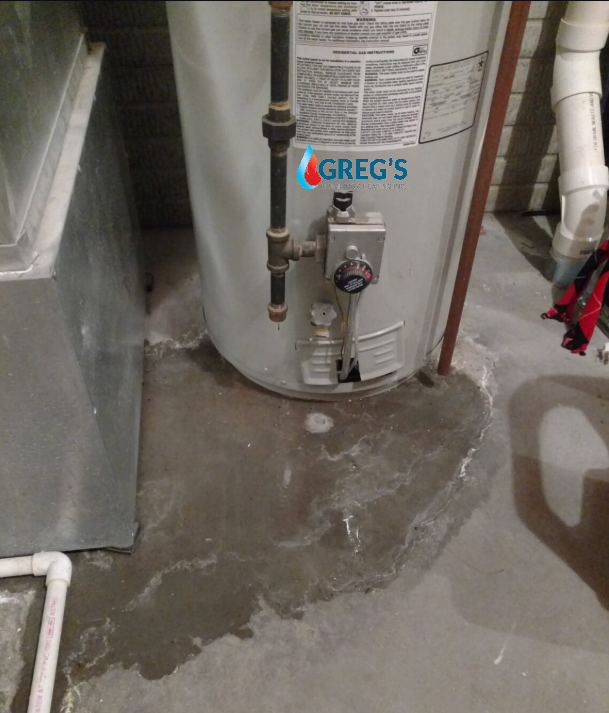
Some emergencies involve more than just water. A leaking water heater may require shutting off the breaker or gas supply if it is safe to do so. A gas smell near a gas appliance or line should be treated seriously and not casually tested. In those cases, the plumber needs a clear description of what you are seeing and smelling right away.
Take photos and note what changed
A quick photo, short video, or a few notes can help more than people realize. What started first? Is the leak steady or sudden? Is it one fixture or several? Is water clear or dirty? Did the toilet overflow only once or keep rising? These details help narrow down whether the emergency is likely a leak repair issue, a sewer backup repair, a water heater repair, or a drain problem that may need camera inspection.
Call with the clearest symptom description possible
When you call, lead with the clearest version of the problem. Say what is leaking, backing up, overflowing, or not working. Say whether you shut off the water already. Say whether one fixture or multiple fixtures are affected. Mention sewage, no water, or gas smell right away if those apply. That helps get the right urgency and the right service path from the start.
Emergency burst pipe steps
A burst pipe is one of the clearest plumbing emergencies because active water under pressure can spread fast through drywall, flooring, cabinets, insulation, and finished basement spaces. The first priority is not finding the exact crack or opening the wall. The first priority is stopping the water if it is safe to do so. In many homes, that means shutting off the main water valve right away. If the burst is isolated and easy to reach, a local shutoff may be enough, but when in doubt, stopping the main supply is usually the safer move.
Once the water is off, open a nearby cold water faucet to help relieve pressure in the system. If water is near electrical outlets, appliances, or extension cords, keep clear and be cautious. Move valuables, towels, bins, or lightweight furniture only if it can be done safely and quickly. Homeowners sometimes lose time trying to investigate too much before controlling the water, and that usually makes the damage worse.
What to do right away for a burst pipe
| Step | Why it matters |
|---|---|
| Shut off the main water | Stops ongoing flooding |
| Open a faucet after shutoff | Helps relieve pressure |
| Move nearby belongings if safe | Reduces secondary damage |
| Avoid unnecessary wall opening | Prevents extra damage before assessment |
| Call for immediate help | Gets the repair moving faster |
What not to do during a burst pipe emergency
Do not keep testing the line to see if the leak has “settled down.” Do not start cutting into multiple walls unless there is active flooding that leaves no other choice. And do not assume a small visible leak means the damage is only in that one spot. Water often travels. If you want to make this section even more useful on-site, it naturally supports how to shut off your main water valve in Hamilton and leak repair.
A common homeowner scenario
A pipe under pressure bursts in a basement ceiling above a finished room. Water starts dripping through pot lights and running down a wall. In that situation, the best move is usually to shut off the main water, keep clear of electrical risk areas, move what you can safely move, and call. It is not the moment to guess whether it is a pinhole leak, frozen pipe damage, or a failed fitting. The emergency step is controlling the water first.
Emergency sewer backup steps
A sewer backup is urgent for a different reason. It is not just about water damage. It is also about contamination. If sewage is backing up into a basement drain, shower, toilet, or lower fixture, stop using all sinks, showers, toilets, dishwashers, and laundry equipment right away. Continuing to run water can feed the backup and push contaminated water higher into the home.
Keep children and pets away from the affected area. Do not keep flushing, do not keep “testing” other drains, and do not assume the backup is limited to one fixture until you know that for sure. One of the most useful details to note before you call is whether several drains are involved. That can point toward a bigger line issue rather than a simple local clog.
What to do right away for a sewer backup
| Step | Why it matters |
|---|---|
| Stop using all drains and toilets | Prevents worsening backup |
| Keep people away from affected water | Reduces contamination risk |
| Do not test more fixtures | Can make the backup spread |
| Note whether multiple drains are involved | Helps identify main line risk |
| Call right away | Speeds proper diagnosis and cleanup |
Why this is often more than a basic clog
Homeowners sometimes think a sewer backup is just a bad toilet clog, but that is not always the case. If a basement floor drain is backing up, if a toilet gurgles when another fixture runs, or if more than one drain is acting up, the issue may be deeper in the system. That is where the diagnosis may shift toward camera inspection or a larger sewer-related repair path, not just simple drain clearing. This is also a natural place to reference drain cleaning vs camera inspection vs hydro jetting in Hamilton and sewer backup repairs.
Use the first-hour checklist if the backup has started
If the sewer backup is already happening, the most helpful next step after stopping fixture use is getting organized fast. That is where your Sewer Backup First Hour Checklist is a strong internal support tool. It fits naturally here because this is exactly the kind of moment when homeowners need calm, step-by-step guidance instead of vague advice.
Emergency water heater steps
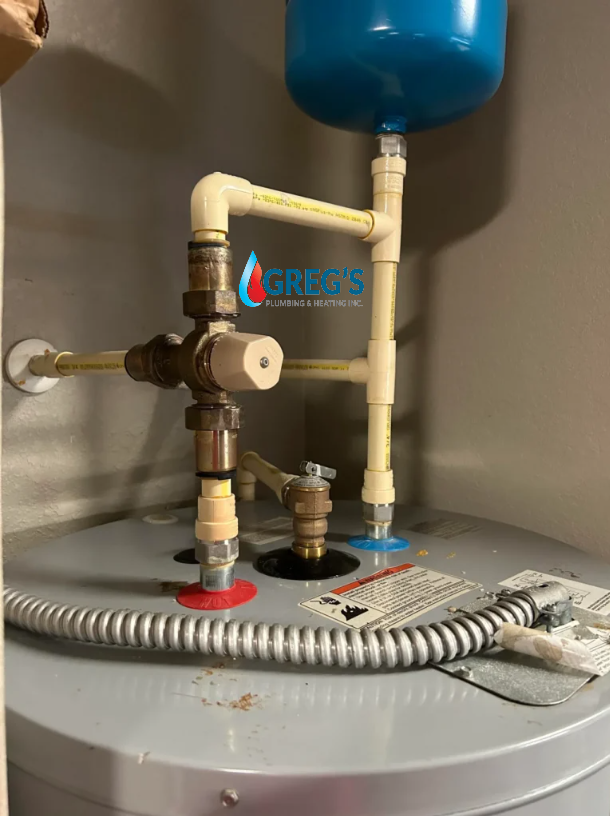
A water heater problem can qualify as an emergency when the tank is actively leaking, pooling water is spreading, there are visible failure signs, or the unit has stopped providing safe hot water and the failure looks serious. In some homes, the first sign is no hot water. In others, it is rust, popping sounds, water around the tank, or obvious leaking from the unit itself. The right first step depends on what you are seeing.
If the tank is actively leaking, it often makes sense to shut off the cold water supply to the heater if you can do so safely. Depending on the setup, you may also need to shut off the breaker for an electric unit or the gas supply for a gas-fired unit. If you are not confident doing that, focus on describing the symptoms clearly and getting help quickly. The goal is to reduce damage and prevent the situation from getting worse.
Common emergency water heater warning signs
| Symptom | Why it may be urgent |
|---|---|
| Active water pooling around the tank | Ongoing leak and property damage risk |
| Tank leaking from the body | Often points to failure, not a simple fitting issue |
| No hot water plus visible leaking | Suggests active malfunction |
| Rust coloured water or corrosion at the tank | Can indicate a failing unit |
| Loud popping noises with other signs | May point to internal tank trouble |
When this may be repair vs replacement
Not every emergency water heater call ends the same way. Some issues turn into a targeted repair. Others reveal that the tank has failed and needs replacement. That is why this section naturally bridges into water heater repairs and your no-hot-water support content. If the reader is dealing with loss of hot water but is not sure whether it is a true emergency yet, no hot water checklist Hamilton is a useful next click.
Do not confuse nearby leaks with a tank failure
This is one area where homeowners can misread what they are seeing. Water near the heater is not always coming from the tank body itself. Sometimes the issue is a nearby pipe, valve, drain, or fitting. Sometimes it is even a separate plumbing leak under a sink or from an adjacent line. That is part of why clear symptom descriptions matter so much on emergency calls. Where the water is showing up, how fast it is pooling, and whether hot water service is affected can all change the likely diagnosis. For smaller nearby leak scenarios, under sink plumbing repair in Hamilton can also be a useful related read for homeowners trying to tell one kind of leak from another.
Overflowing toilet, clogged main line, or multiple drains
An overflowing toilet can be a true emergency, but not every toilet problem points to the same cause. If one toilet is clogged and the rest of the house is working normally, the issue may stay limited to that fixture. If the toilet overflows and you also notice gurgling, slow drains elsewhere, or a basement floor drain acting up, the problem may be deeper in the branch line or main sewer line. That is where homeowners can lose time by treating it like a simple toilet clog when it is really part of a bigger drain issue.
The first thing to sort out is whether this looks isolated or system-wide. A single bad toilet is one thing. A toilet that reacts when another fixture runs is something else. If flushing one fixture causes noise, bubbling, or backup in another, the safer assumption is that the issue may be further down the line. That is why emergency calls around toilets often end up leading into Hamilton plumbing repairs, drain cleaning, or camera inspection depending on what the overall symptom pattern looks like.
A simple way to separate the problem
| What you notice | What it may mean |
|---|---|
| One toilet is clogged, other fixtures are normal | Likely isolated fixture issue |
| One toilet overflows and drains elsewhere seem slow | Possible branch line problem |
| Toilet gurgles when sink, tub, or laundry runs | Possible deeper drain issue |
| Several drains back up at once | Possible main line problem |
| Basement floor drain involved too | Stronger sign of bigger sewer issue |
When the problem may be beyond the toilet
If the toilet keeps overflowing after a basic plunge attempt, or if there are warning signs elsewhere in the house, it is usually smarter to stop testing and get the system assessed properly. This is exactly where homeowners benefit from reading multiple drains clogged at once in Hamilton and drain cleaning vs camera inspection vs hydro jetting in Hamilton. Those pages help separate a local clog from a line issue that may need a different fix.
A quick emergency tip for an overflowing toilet
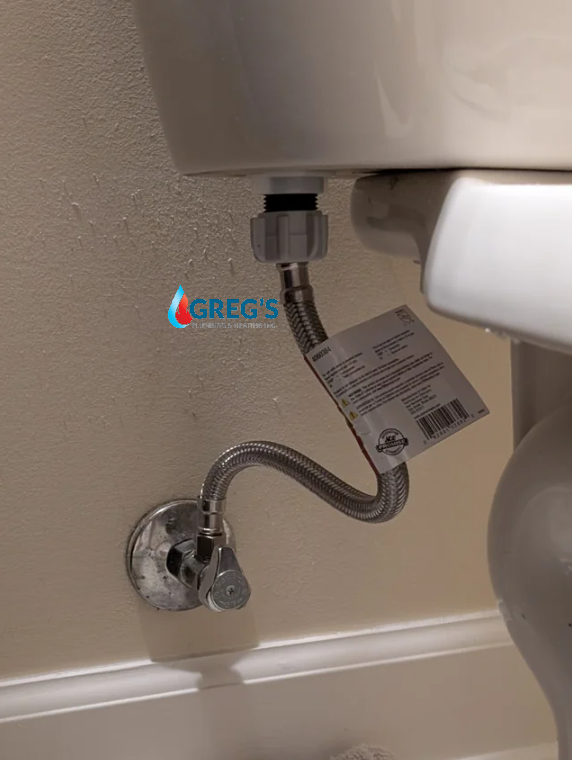
If the toilet is actively rising, remove the tank lid and push the flapper closed if you can do so safely, or shut off the toilet supply valve near the base of the wall or floor. That can stop more water from entering the bowl while you assess the next step. If sewage is involved or the problem seems tied to multiple fixtures, stop there and call rather than continuing to flush or test.
What to tell the plumber when you call
One of the fastest ways to get the right help is to describe the symptoms clearly. You do not need plumbing terminology. You just need the facts that change the likely diagnosis. Start by saying what is happening now. Is water actively leaking, is a drain backing up, is a toilet overflowing, is there no water in the house, or is a water heater involved? Then mention whether the problem affects one fixture or several. That one detail is often one of the most important.
It also helps to say whether you have already shut off the main water, whether water is still flowing, and whether there is sewage, dirty water, or a gas smell involved. If you noticed a recent change, such as a clog getting worse, a new noise, or a backup starting after laundry or shower use, include that too. Clear symptom reporting helps the call turn into the right service path faster.
The most useful details to mention
| Tell the plumber this | Why it helps |
|---|---|
| What is leaking, backing up, or not working | Identifies the most likely category of issue |
| Whether one fixture or several are affected | Helps separate local issues from line issues |
| Whether the main valve is shut off | Shows whether active flow is controlled |
| Whether water is still running or pooling | Helps judge urgency |
| Whether sewage or a gas smell is present | Signals a higher-risk situation |
| Whether a water heater is involved | Helps narrow equipment-related failure |
When an emergency call may turn into a repair, camera inspection, or replacement
Many emergency calls start with one urgent symptom, but the actual solution depends on what is found once the situation is stabilized. A burst pipe may turn into a leak repair. A sewer backup may lead to drain cleaning, camera inspection, or sewer line repair in Hamilton. A leaking water heater may end up being a repair, or it may reveal that replacement is the more practical next step.
This is important because homeowners often think of an emergency visit as one fixed service. In reality, the emergency call is about making the home safe and identifying the right next move. That may be the end of the job, or it may be the start of the correct repair path. The better the first diagnosis, the less likely the homeowner is to pay for repeated short term fixes that do not address the root problem.
Common emergency-to-repair paths
| Emergency symptom | What it may turn into |
|---|---|
| Burst pipe or active leak | Leak repair |
| Recurring backup or several drains affected | Camera inspection |
| Grease or sludge heavy line issue | Drain cleaning or hydro jetting |
| Main line damage found during assessment | Sewer line repair |
| Water heater leak or failure signs | Water heater repair or replacement |
Get emergency plumbing help in Hamilton without guessing
When water is leaking, sewage is backing up, a toilet is overflowing, or your home suddenly has no water, the main goal is to make the situation safer fast and get the right next step. You do not need to diagnose the exact repair yourself. You just need to know when the problem is urgent, what to shut off if it is safe, and what details to share when you call. From there, the right service path can be confirmed more quickly.
If you are dealing with active leaking, backup, overflow, no water, or signs of a failing water heater, Greg’s can help determine whether you need same day emergency service and what the safest next move is. Start with Emergency Plumbing, Hamilton Plumbers, Hamilton Plumbing Repairs, or Book Online.
FAQ
1. What counts as a plumbing emergency in Hamilton?
A plumbing emergency usually involves active leaking, sewage backup, overflow risk, no water in the house, or no safe hot water with visible signs of failure. Common examples include a burst pipe, sewer backup, overflowing toilet that will not stop, major pressurized leak, leaking water heater, frozen pipe at risk of bursting, or a gas smell near a gas line or appliance.
2. Should I call an emergency plumber for one clogged toilet?
Sometimes, but not always. If one toilet is clogged and the rest of the plumbing is working normally, it may not be a true emergency. If the toilet is actively overflowing, you do not have a second toilet, or there are signs that other drains are also affected, the problem may be more urgent and could point to a larger drain issue.
3. What should I do first if a pipe bursts in my house?
The first step is usually to shut off the main water supply if it is safe to do so. After that, open a faucet to help relieve pressure, move nearby belongings if possible, and avoid unnecessary damage such as opening multiple walls before the situation is assessed. Then call for immediate help.
4. What should I do if sewage is backing up into a drain or toilet?
Stop using all sinks, showers, toilets, and laundry equipment right away. Keep people and pets away from contaminated water, avoid testing more fixtures, and note whether multiple drains are affected. A sewer backup is usually something to call about immediately because it can worsen fast and involves contamination risk.
5. Is a leaking water heater an emergency?
It often is, especially if water is actively pooling around the tank or the leak is getting worse. A leaking water heater can cause property damage quickly and may signal tank failure. If it is safe, shutting off the water supply to the heater and the power or gas where appropriate can help reduce risk before calling.
6. What should I tell the plumber on an emergency call?
Tell the plumber what is leaking, backing up, overflowing, or not working, whether one fixture or several are affected, whether you shut off the water already, whether water is still flowing, and whether sewage, no water, or a gas smell is involved. Clear symptom details help confirm the right urgency and the right next step faster.
7. Can an emergency plumbing visit turn into a repair or camera inspection?
Yes. An emergency visit often starts with making the situation safe, but the next step depends on what is found. The issue may lead to leak repair, drain cleaning, camera inspection, sewer line repair, or water heater repair or replacement depending on the cause.


