
When something is leaking, draining slowly, backing up, or not working properly, most homeowners do not know what kind of repair they actually need. That is where what a plumber checks first matters.
The visible symptom is not always the real problem. A drip under a sink, a slow drain, a toilet issue, or low water pressure can each have more than one possible cause. A good repair starts with the right diagnosis, not guesswork.
If you already know you need help, start with Hamilton plumbers.
Not Every Plumbing Problem Starts Where You Notice It
One of the biggest mistakes homeowners make is assuming the symptom and the cause are in the same place.
A drip under the sink, for example, might come from the faucet body, a cracked supply line, the shutoff valve, the drain connection, or even water that travelled from the counter edge and only looks like a pipe leak. That is why a proper leak repair call starts with tracing the source, not just tightening the nearest fitting.
The same goes for drains. A slow kitchen sink might be a simple local blockage, but if more than one drain is slow or the problem keeps coming back, the issue may be deeper in the line. That is where drain cleaning is sometimes only part of the answer.
Toilet problems can fool people too. A weak flush may be caused by the toilet itself, but repeated clogs or gurgling can also point to a branch drain issue. And low pressure at one tap is very different from low pressure across the house.
Why this matters before any repair
A good plumber is trying to answer one question first: is this an isolated repair, or a symptom of something larger?
That one distinction affects:
- how the repair is done
- whether it can be fixed the same day
- whether a deeper inspection is needed
- how likely the problem is to come back
Think of it this way:
| What you notice | What it could actually be |
|---|---|
| Water under sink | Faucet leak, supply line leak, drain leak, shutoff valve leak |
| Slow bathtub drain | Hair clog, branch line clog, deeper drain restriction |
| Toilet keeps clogging | Toilet issue, drain issue, venting or branch problem |
| Low water pressure | Clogged fixture, shutoff issue, house-wide plumbing problem |
| Recurring backup | Local clog, main drain issue, sewer line problem |
What a plumber will usually check first
Before recommending a fix, a plumber is usually trying to narrow the problem down fast. That means looking at where it is happening, how long it has been going on, and whether it is isolated or affecting more than one fixture.
Where the problem is showing up
The location tells you a lot.
A kitchen problem often points to sink drains, shutoff valves, garbage disposal connections, or supply lines under the cabinet. A bathroom issue could be a faucet leak, toilet problem, tub drain clog, or a hidden leak around the base of a fixture.
Basement issues raise different questions. If the problem is near a floor drain, laundry area, or utility sink, the plumber will be thinking about backups, main drain conditions, and whether the lowest fixtures in the house are reacting first. That is especially important if there is any smell or water coming up from a drain. In those cases, this homeowner guide is useful context: Basement Floor Drain Backing Up or Smells in Hamilton.
The mechanical room is another key area. If the issue involves no hot water, inconsistent hot water, or leaking around the tank, the repair may be tied to the water heater rather than a fixture itself.
Outdoor hose bibs and exterior lines matter too. A drip outside can sometimes connect to a split line, a bad shutoff, or seasonal freeze damage that shows up elsewhere later.
How long it has been happening
A sudden problem usually points to a part failure, blockage, or recent change. An ongoing problem that slowly got worse often points to buildup, wear, corrosion, or a hidden issue that has been developing for a while.
Plumbers usually sort the timing into four buckets:
- Sudden issue: it started today or very recently
- Ongoing issue: it has been happening for days or weeks
- Problem getting worse: it started small and is now easier to notice
- Problem that comes and goes: it disappears, then comes back under certain conditions
That timing matters. A drain that suddenly stops working is different from a sink that has drained slowly for three months. A toilet that started running yesterday is different from one that has been phantom flushing for weeks. If the issue has been intermittent, these symptom-specific guides can help homeowners compare patterns before the visit:
Toilet Keeps Running or Phantom Flushing in Hamilton and Low Water Pressure in Your Hamilton Home.
Whether it is isolated or affecting more than one fixture
This is one of the most important checks of all.
If one sink is leaking, one toilet is running, or one tub is slow, the repair is more likely local. If multiple drains are slow, more than one fixture is backing up, or pressure is weak across the house, the repair may need deeper diagnosis.
Here is the basic logic:
| What’s affected | What it usually suggests |
|---|---|
| One sink only | Local leak, clog, faucet, or shutoff issue |
| One toilet only | Toilet component issue or toilet-specific clog |
| One shower only | Local cartridge, showerhead, or branch clog |
| More than one drain | Main drain or deeper drainage issue |
| Pressure weak across the house | House-wide plumbing issue, not just one fixture |
If more than one drain is acting up, do not assume it is a simple clog. This is where the diagnosis may shift toward a bigger drainage problem. For that pattern, see Multiple Drains Clogged at Once in Hamilton.
Common plumbing repairs in Hamilton homes
Once the problem is narrowed down properly, most repair calls fall into a few common categories.
Leak repairs
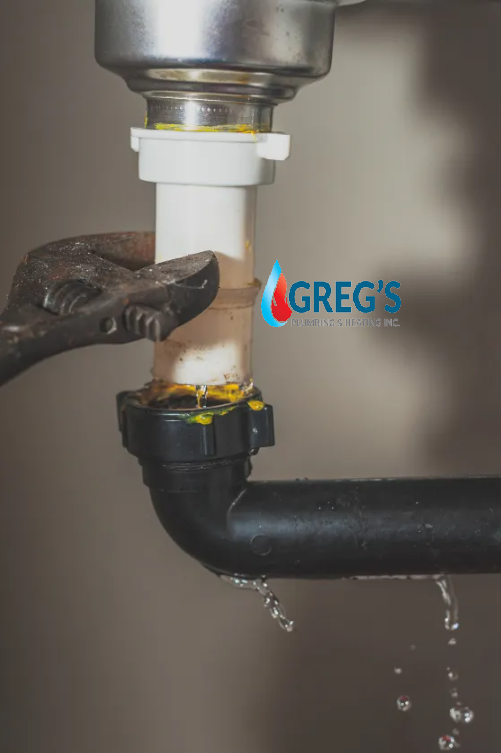
Leaks are one of the most common reasons homeowners call. The visible water may be under a sink, behind a toilet, around a shutoff valve, or near a pipe joint, but the exact source still needs to be confirmed.
Common repair points include:
- supply line leaks
- faucet body leaks
- shutoff valve leaks
- drain connection leaks
- pipe joint leaks
Many of these can be fixed the same day if the issue is accessible and caught early. If the main concern is tracking and stopping water at the source, the most relevant service page is leak repair.
Drain and clog repairs
Drain problems are another major category, especially in kitchens, bathrooms, basements, and laundry areas.
Common examples include:
- kitchen sink drains that back up with food or grease
- bathroom sink drains slowed by soap and hair
- tub and shower drains clogged with buildup
- floor drains reacting to higher water use
- laundry drains that cannot keep up during discharge
Some are simple local clears. Others are signs of a deeper restriction. If the issue is recurring or spreading beyond one fixture, proper drain cleaning is usually more useful than temporary DIY fixes.
Toilet repairs
Toilets create a wide range of repair calls, and not all of them mean the same thing.
Common toilet repairs include:
- constant running
- weak flush
- leaks at the base
- refill issues
- repeated clogs
A running toilet is often an internal component issue. A leak at the base may be something else entirely. And repeated clogs can be either a toilet problem or a sign of a branch drain issue. For homeowners trying to tell those apart, two helpful reads are Toilet Leak Repair in Hamilton and Toilet Backing Up in Hamilton.
Water heater related repairs
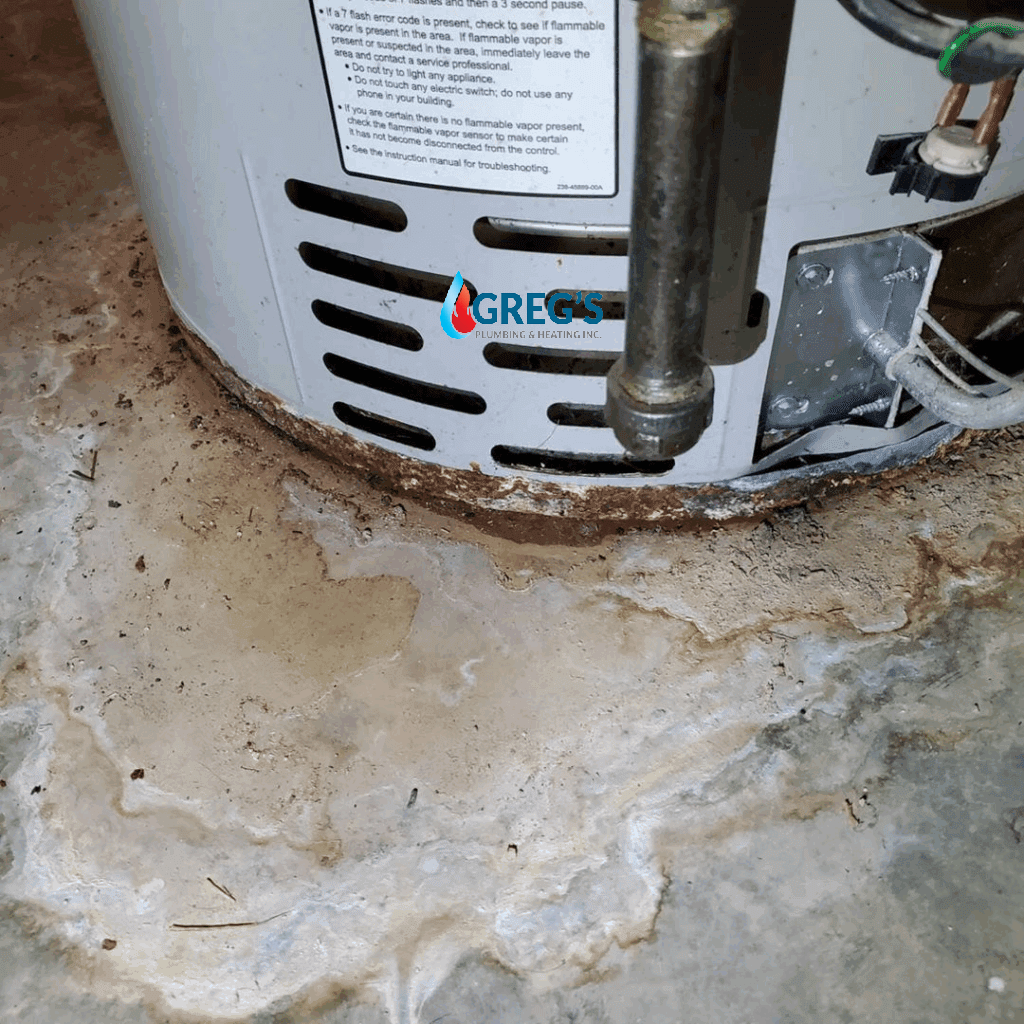
When there is no hot water, unreliable hot water, or leaking around the tank, the repair path usually shifts away from fixtures and toward the water heater system.
Common water heater-related repairs include:
- no hot water
- leaking tank or connections
- pilot or ignition issues
- inconsistent hot water
- restricted hot-side flow
This is one area where homeowners often wait too long because the problem seems “manageable” until it suddenly is not.
What can often be fixed the same day
A lot of plumbing repairs can be handled in one visit, especially when the problem is isolated, visible, and easy to access.
That often includes:
- faucet and fixture issues
- shutoff valves
- supply lines
- toilet internals
- simple drain clearing
- minor visible leaks
The main reason some jobs cannot be finished the same day is not the repair itself. It is when the visible symptom turns out to be part of a deeper issue.
For example, replacing a supply line is often straightforward. But if the shutoff valve is failing too, that changes the job. Clearing one drain may be quick, but if the backup is tied to the main line, the next step may involve inspection rather than just clearing.
Good signs it may stay a same-day repair
| Good same-day signs | Why it often stays simple |
|---|---|
| One fixture affected | More likely local and accessible |
| Visible leak source | Easier to isolate and repair |
| Toilet running only | Usually internal parts |
| One drain slow, others normal | Often a local clog |
| No repeat history | Less likely to be a deeper system issue |
When the repair may need deeper diagnosis
Some plumbing problems look simple at first, then turn out to be symptoms of something bigger. That is why a plumber does not always start with the repair itself. Sometimes the first step is figuring out what is causing the repair to keep happening.
Repeat drain backups
If the same drain keeps backing up, or different drains start acting up over time, there may be more going on than one clog. A local clear might restore flow for now, but repeated backups often point to buildup deeper in the line, a recurring restriction, or a problem in the main drain.
That is where drain cleaning may be part of the solution, but not always the whole answer.
Water damage with no obvious source
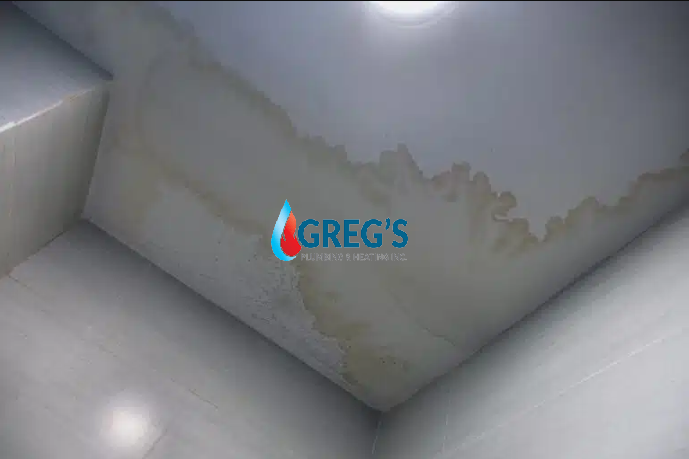
Sometimes the stain on the ceiling, damp cabinet floor, or warped baseboard is real, but the actual leak source is not visible. In those cases, the repair starts with tracing where the water is coming from, not replacing random parts and hoping for the best.
This is especially true when the leak appears only occasionally or after fixture use.
Low pressure affecting multiple fixtures
Low pressure at one tap can be a local issue, but across several fixtures is different. That can point to a shutoff problem, pressure regulation issue, buildup in older piping, or a broader supply problem.
If that sounds familiar, this guide helps homeowners separate one-fixture problems from house-wide ones: Low Water Pressure in Your Hamilton Home.
Sewer smell or multiple drains acting up
Sewer odours, gurgling, and more than one slow drain are major clues that the problem may be beyond one fixture. This is when diagnosis often shifts toward drainage lines, camera work, and main line investigation.
Two useful reads here are Basement Floor Drain Backing Up or Smells in Hamilton and Multiple Drains Clogged at Once in Hamilton.
Older plumbing materials or hidden pipe issues
Older homes can hide older materials, rough pipe interiors, corroded shutoffs, and aging drainage lines. If the symptom keeps coming back, the repair may need a better look behind walls, under floors, or inside the drain system.
That is where camera inspection becomes valuable. And if the issue points to actual underground pipe damage, the next step may involve sewer line repair in Hamilton rather than a simple fixture repair.
What to do before the plumber arrives
A few simple steps before the plumber gets there can save time, reduce damage, and make diagnosis faster.
Shut off the local valve if it is safe
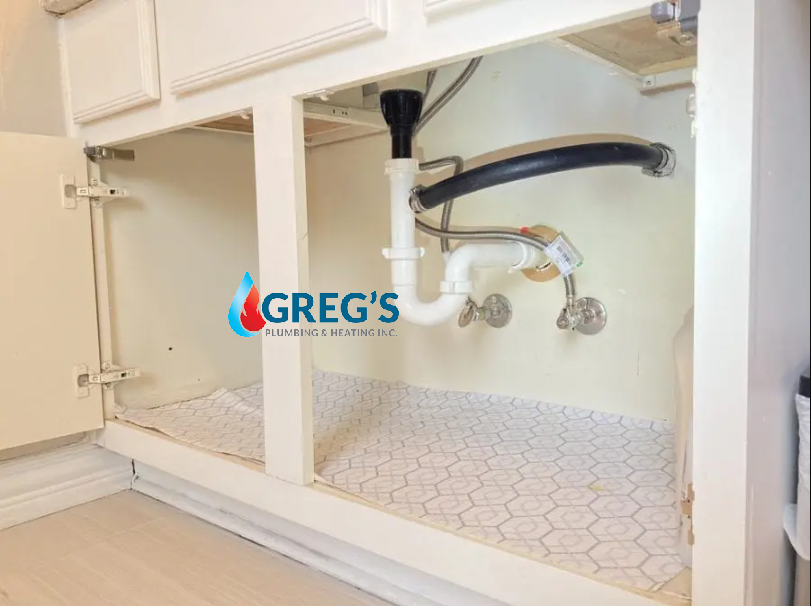
If a sink, toilet, or supply line is leaking and the local shutoff works properly, turn it off. Do not force old valves if they feel seized or start dripping when touched.
Stop using the affected fixture if it is backing up
If the fixture is draining slowly, overflowing, or causing water to rise somewhere else, stop using it. Running “just a little more water” often makes the problem worse.
Clear the area
Move stored items, cleaning supplies, rugs, or anything valuable out of the way. A plumber can work faster, and you reduce the risk of more water damage.
Take photos if the leak or stain comes and goes
Intermittent problems are easier to diagnose when there is visual evidence. A photo of the stain, leak path, or wet area can help even if things look dry by the time help arrives.
Note which fixtures are affected
Before the visit, write down what you noticed:
- which fixture is causing trouble
- when it started
- whether it is getting worse
- whether any other fixtures are involved
- whether the issue is constant or intermittent
That saves time and helps avoid guesswork.
Do not keep testing if it is making damage worse
If every flush, every drain cycle, or every faucet use adds more water to the problem, stop testing. This is especially important with backups, hidden leaks, and floor-level water.
How to know if it is a repair, a replacement, or an emergency
Most plumbing issues fall into one of these three buckets, and knowing the difference helps you act faster.
It is usually a repair if…
The problem is isolated, accessible, and tied to one fixture or one visible component.
Examples:
- one leaking supply line
- one faucet issue
- one running toilet
- one visible drain leak
- one local slow drain
These are the types of calls that often fit well under Hamilton plumbing repairs.
It may be a replacement if…
The same component keeps failing, the part is badly corroded, or the fixture is near the end of its life.
Examples:
- a toilet that has had multiple repairs
- a shutoff valve that no longer closes properly
- an old faucet with repeated leak problems
- a water heater with repeated issues and visible age-related wear
At that point, another repair may not be the smartest long-term choice.
It is an emergency if…
There is active leaking, water spreading into finishes, sewage backup, flooding risk, or no safe way to shut off the water.
Examples:
- water actively pouring from a broken line
- sewage coming up through a floor drain
- a toilet overflowing and not stopping
- a leak with no working shutoff
- water entering finished spaces quickly
Why Hamilton homeowners book a proper plumbing inspection first
A proper plumbing inspection saves time because it narrows the problem down before money gets spent on the wrong fix.
When the source is obvious, that may sound unnecessary. But in real homes, a leak can travel, a backup can start far from where it shows up, and a “simple” repair can turn out to be part of a larger issue. That is why good diagnosis often prevents repeat visits.
Faster diagnosis
The more clearly the problem is identified upfront, the faster the repair usually goes. Instead of replacing parts one by one and hoping something works, the plumber can focus on the actual cause.
Better repair recommendations
A good inspection helps separate:
- a simple repair
- a part that should be replaced
- a deeper issue that needs line inspection or drainage work
That means fewer temporary fixes and more confidence in the next step.
Less wasted money
Homeowners often lose money when a symptom gets treated without understanding the cause. Clearing a drain that keeps backing up, swapping a part on a leaking fixture when the shutoff is also failing, or patching a recurring sewer symptom without checking the line can all lead to repeat costs.
Fewer repeat visits
One of the biggest reasons for repeat plumbing calls is incomplete diagnosis. If the first visit only treats the visible symptom, the underlying issue may still be there.
That is especially true with:
- recurring clogs
- hidden leaks
- low pressure in multiple fixtures
- intermittent backups
- drainage issues that seem to move around the house
Safer decisions for older homes
Older Hamilton homes can have aging shutoffs, older drainage materials, and pipe conditions that are not obvious from the fixture alone. A proper inspection helps avoid forcing old parts, missing hidden issues, or choosing a fix that will not last.
Need plumbing repair in Hamilton?
If something in your home is leaking, backing up, running constantly, draining slowly, or not working the way it should, the smartest next step is getting the problem diagnosed properly first.
Start with Hamilton plumbing repairs to see the types of repairs we handle and what to expect.
If you want to book help now, call 905-928-6831 or use Book Online.
Greg’s Plumbing & Heating serves Hamilton, Dundas, Ancaster, Stoney Creek, Burlington, Binbrook, Grimsby, Niagara Falls, and nearby areas.
FAQ: what a plumber checks
1) What does a plumber check before doing a plumbing repair?
Before doing a plumbing repair, a plumber usually checks where the problem is showing up, how long it has been happening, whether it affects one fixture or several, and whether the visible issue points to a deeper leak, drain, or sewer problem.
2) Can most plumbing repairs in Hamilton be done the same day?
Yes, many plumbing repairs in Hamilton can be done the same day when the issue is isolated and accessible. Common same-day repairs include leaking supply lines, faucet problems, shutoff valves, toilet internals, minor visible leaks, and simple drain clearing.
3) How do I know if my plumbing problem is bigger than a simple repair?
A plumbing problem may be bigger than a simple repair if it keeps coming back, affects more than one fixture, causes sewer smells, leads to low water pressure across the house, or creates water damage with no obvious source.
4) Should I call a plumber for a slow drain or wait?
If one drain is only slightly slow once, you may monitor it briefly. But if it keeps getting worse, affects more than one drain, starts gurgling, or causes water to back up elsewhere, it is better to call a plumber before it turns into a larger drainage issue.
5) When does a plumbing repair become an emergency?
A plumbing repair becomes an emergency when there is active leaking, flooding risk, sewage backup, water entering finished areas, or no safe way to shut off the water. In those situations, waiting can make the damage and repair cost worse.
6) Can a plumber tell if I need repair, replacement, or deeper diagnosis?
Yes. A plumber can usually tell whether the issue needs a simple repair, fixture or component replacement, or deeper diagnosis based on the symptoms, the condition of the plumbing parts, and whether the problem is isolated or affecting multiple areas of the home.
7) What are the most common plumbing repairs in Hamilton homes?
The most common plumbing repairs in Hamilton homes include leak repairs, faucet and shutoff valve repairs, toilet repairs, drain clearing, water heater-related repairs, and diagnosis of recurring drain or sewer problems.


